


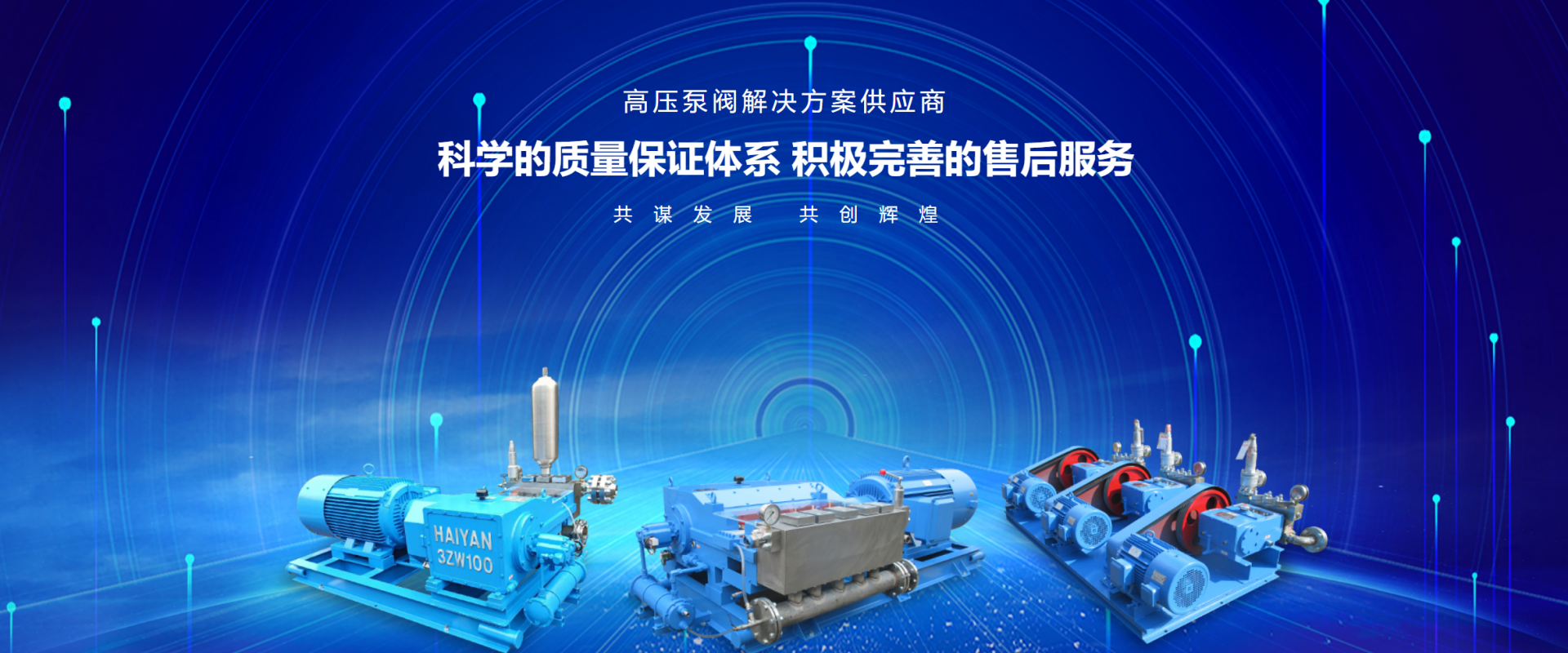


A reciprocating pump is a type of volumetric pump. It operates by using pistons to repeatedly move within the pump cylinder to adjust the chamber volume, with the intention of suction and discharge of liquids. Depending on the direction of the piston movement, it can be classified into vertical pumps and horizontal pumps; and according to the structural method, it can be categorized into single-cylinder, double-cylinder, and four-cylinder types, among others.
Piston pumps and plunger pumps are categorized by their piston design, while reciprocating pumps are classified by their power transmission, including electric reciprocating pumps, steam reciprocating pumps, gear oil reciprocating pumps, and manual reciprocating pumps. Reciprocating pumps typically consist of two main parts: the hydraulic end and the drive end. The hydraulic end primarily includes the cylinder cover, suction valve, discharge valve, plunger, stuffing box, cylinder cover, valve cover, and sealing material. The drive end primarily includes gears, crankshafts, crossheads, bearings, and shaft bushes.
As the piston moves outward, the pump body generates low pressure, causing the exhaust throttle valve to close and the intake throttle valve to open, drawing the fluid into the pump. When the piston moves inward, high pressure builds within the pump, closing the intake throttle valve and opening the exhaust throttle valve, expelling the fluid out of the pump. As the piston continues to reciprocate, the fluid is continuously drawn in or expelled.
