


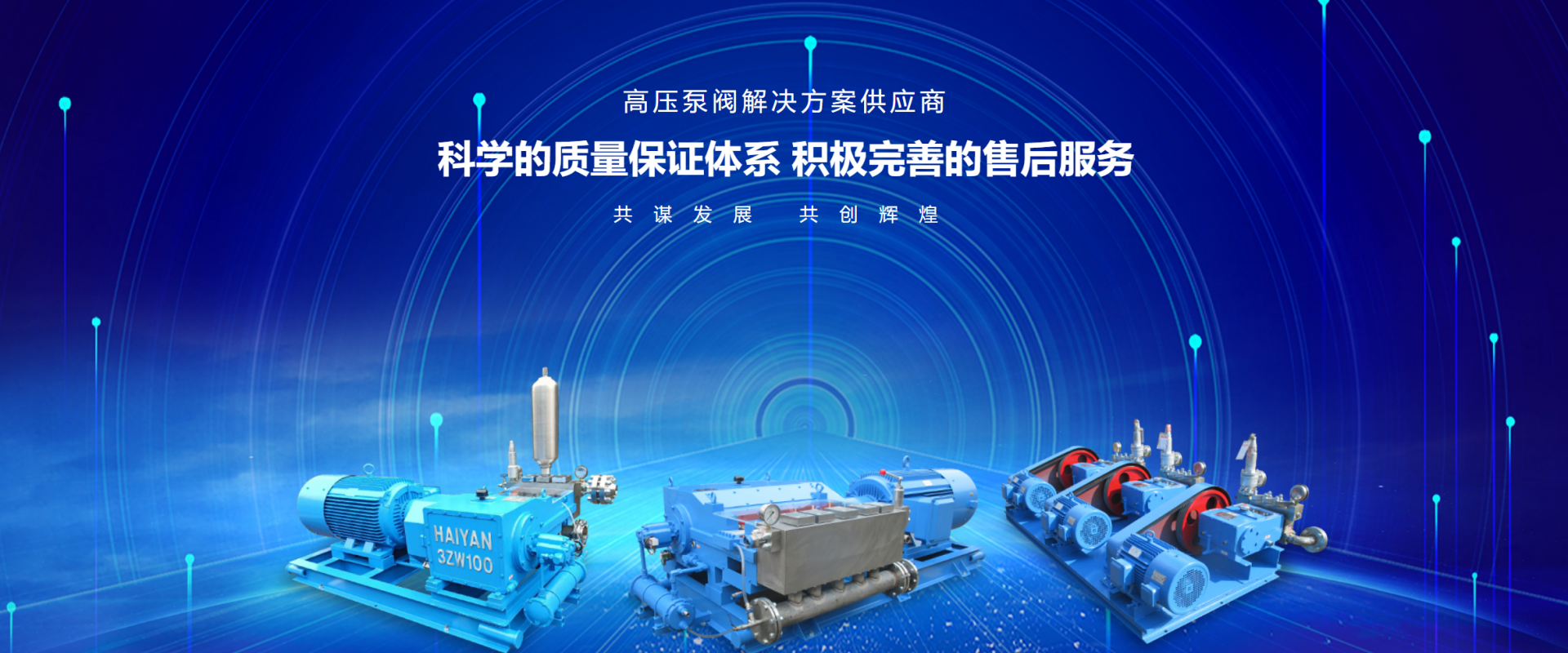

A high-pressure cleaning pump is an efficient, energy-saving cleaning equipment used for professional heat exchangers or reactors and various pipelines in chemical plants, thermal power plants, sugar mills, paper mills, ships, and more. It can be equipped with various nozzles to accommodate different uses. It can also be mounted on a flatbed truck with four wheels or a small boat to meet the needs of various environments, or it can be a fixed-base unit. It also includes an electric motor, electrical control box, rolling stand, and high-pressure hoses, with explosion-proof electrical equipment available for use in hazardous areas.
The internal components of a high-pressure cleaning pump, in addition to the three core parts of the high-pressure pump, power drive equipment, and high-pressure nozzle, also include numerous auxiliary accessories, each playing a distinct role. Among all these parts, the power drive equipment is the most fundamental for the operation of the unit. It is the power drive that enables the high-pressure pump to generate pressure, which in turn allows the high-pressure cleaning pump to perform its tasks. The method of driving the high-pressure cleaning pump varies depending on the application, primarily covering electric motor drive, gasoline engine drive, and diesel engine drive, among others. Each driving method has its pros and cons, and can be selected based on actual requirements.
Electromotor-driven systems are increasingly popular due to their ease of operation with just power connection and minimal noise, as well as zero emissions, making them environmentally friendly. However, this method is not suitable for outdoor use due to the inconvenience of power connections. Gasoline and diesel engine-driven systems, collectively known as fuel engine-driven systems, are more suitable for mobile high-pressure cleaning tasks in the field and offer greater power. Nonetheless, they come with numerous drawbacks, such as emissions, environmental pollution, and increased noise levels.