
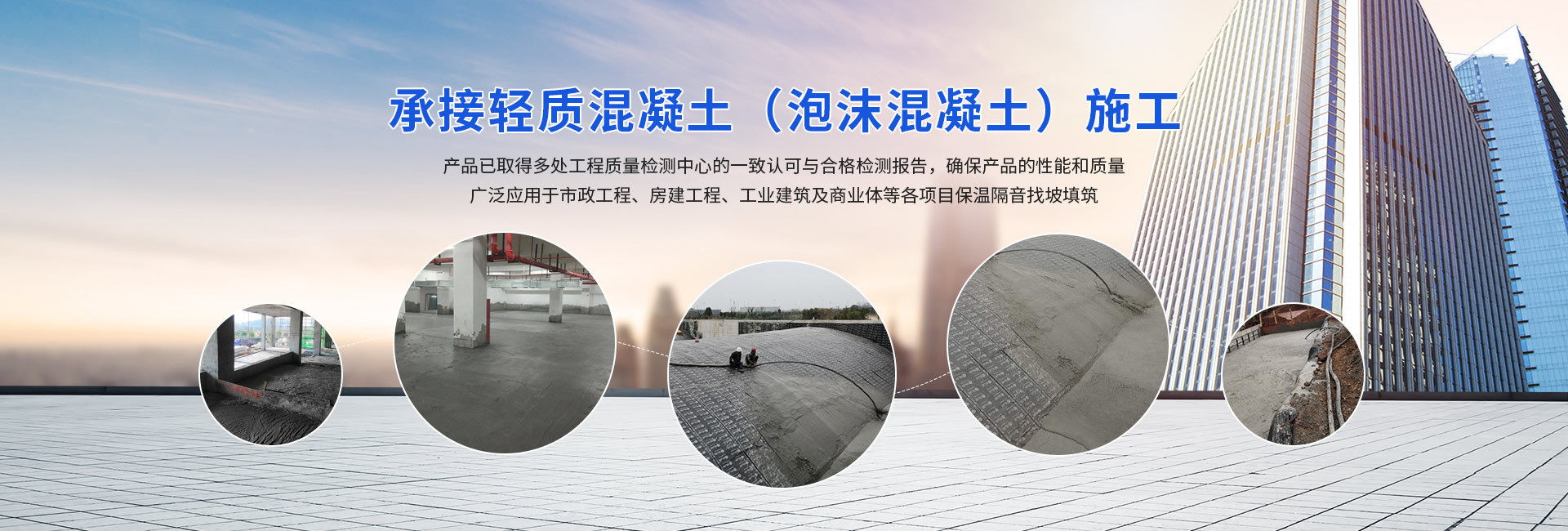
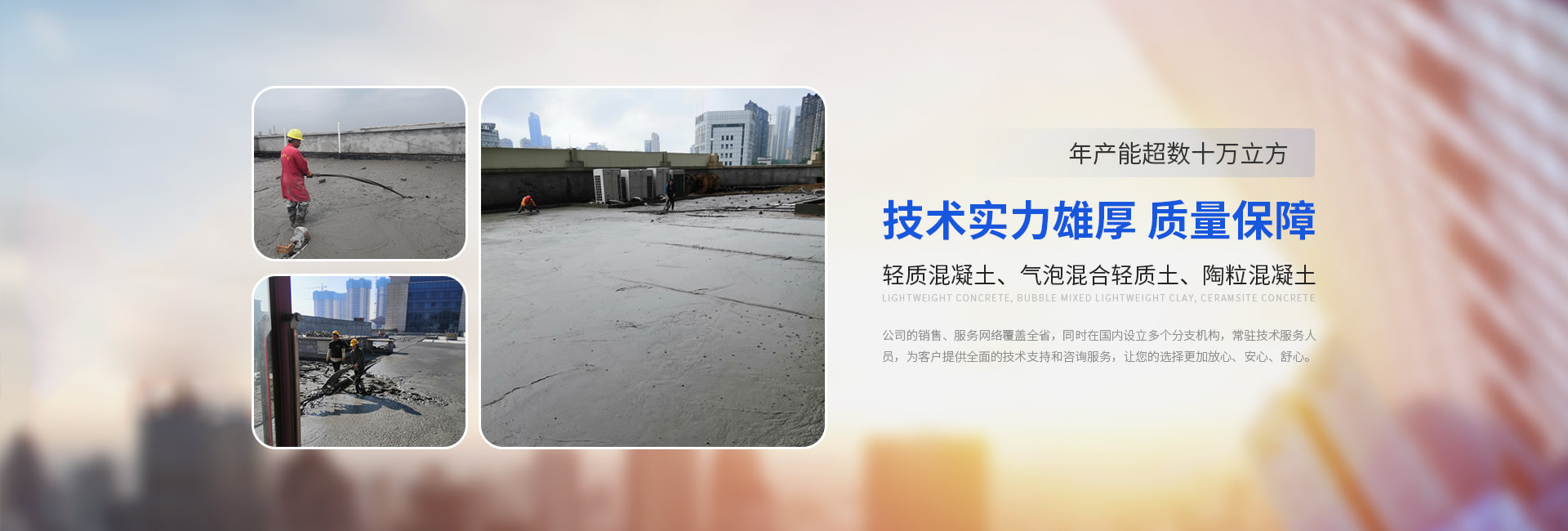
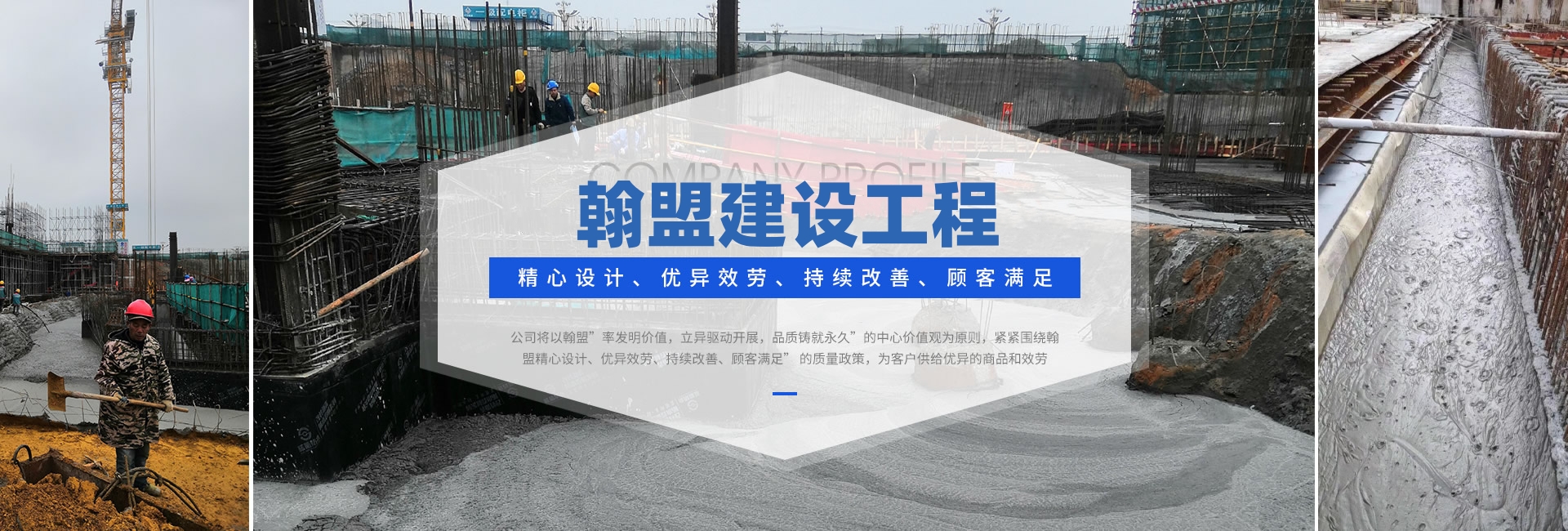

Lightweight concrete, also known as lightweight concrete filling, is a new type of thermal insulation material with a large number of sealed air holes. It is produced by using the foaming system of a foaming machine to mechanically fully foam the foaming agent, mixing the foam with cement slurry evenly, and then either cast in place or molded using the pumping system of the foaming machine. It is formed through natural curing.
1. The test block floats in water without melting or sinking.
The lightweight concrete (foam concrete) has fully cured and the pores are completely sealed. The sealed foam concrete prevents air convection within the material, reducing heat conduction, radiation, and diffusion. Heat energy gradually diminishes within the pores, achieving excellent insulation. Moreover, it has a low water absorption rate of around 5%, and boasts good physical properties such as sound insulation, waterproofing, compressive strength, and flexural resistance.
2. If the test block slowly sinks
The moisture absorption rate reaches 30%, exceeding the density of water, indicating that the pores in lightweight concrete (foam concrete) are semi-open. Some pores are interconnected from the surface to the interior, causing air to circulate within the material. As the degree of porosity increases, the thermal insulation time shortens, and the water absorption rate increases to around 50%. This results in a significant decrease in the physical properties of thermal insulation, warmth retention, noise insulation, waterproofing, compressive strength, and bending resistance.
3. The test block quickly sank into the water.
The moisture absorption rate exceeds 30%, surpassing the density of water, indicating that the pores in the material are fully open, creating a pathway from the surface to the interior. Air flows through these channels, conducting the material's temperature through convection, radiation, and diffusion via moisture. As the connectivity of the pores increases, the moisture absorption rate can reach above 50%, rendering the material's thermal insulation and warmth retention properties ineffective.
