



Working Principle
A reducer is a relatively precise mechanical device, its purpose being to reduce speed and increase torque.
Speed Ratio = Motor Output RPM / Reducer Output RPM ("Speed Ratio" is also known as "Transmission Ratio")
To calculate the reducer torque, given the motor power, speed ratio, and usage coefficient, use the following formula: Reducer Torque = 9550 × Motor Power ÷ Motor Input Speed × Speed Ratio × Usage Coefficient
2. Knowing the torque, output speed of the reducer, and utilization coefficient, the required motor power for the reducer can be calculated using the following formula: Motor Power = Torque / 9550 × Motor Input Speed / Reduction Ratio / Utilization Coefficient
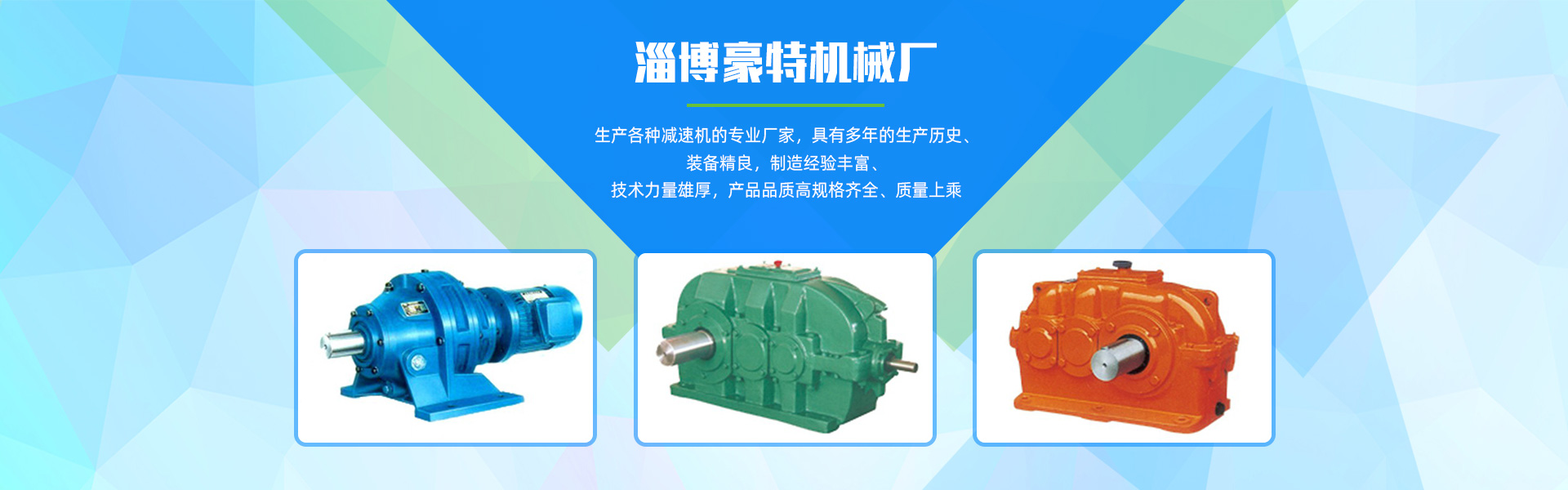
Its variety is vast, with different models serving various purposes. There are numerous types of reducers, which can be categorized as follows: gear reducers, worm reducers, and planetary gear reducers based on the type of transmission; single-stage and multi-stage reducers based on the number of transmission stages; cylindrical gear reducers, bevel gear reducers, and bevel-cylindrical gear reducers based on the shape of the gears; and extended, split, and coaxial reducers based on the layout of transmission.
