

Performance primarily includes the following aspects:
Ease of use
Key Performance of Concrete Mixture. It comprehensively represents the consistency, fluidity, plasticity, resistance to segregation and bleeding, as well as the ease of troweling of the mixture. There are many methods and indicators for determining and expressing the workability of the mixture, with China primarily using the cone slump test method.
Slump (mm) and the vibration time measured by the Vicat apparatus (seconds) are the primary indicators of consistency.
Intensify
The critical mechanical properties of concrete after curing refer to its ability to resist compressive, tensile, bending, and shearing stresses. The water-cement ratio, type and amount of cement, type and amount of aggregates, as well as mixing, molding, and curing, all directly affect the strength of concrete. The strength grade of concrete, divided according to the standard compressive strength (with a standard cube specimen of 150mm edge length, cured for 28 days under standard conditions, and measured by the standard testing method with a 95% guarantee rate), is called the grade and includes C10, C15, C20, C25, etc. The tensile strength of concrete is only 1/13 to 1/8 of its compressive strength. Enhancing the ratio of tensile to compressive strength is a significant aspect of concrete modification.
Transformation
Concrete will deform under loads or temperature and humidity, which includes elastic deformation, plastic deformation, shrinkage, and thermal deformation, among others. The elastic deformation of concrete under short-term loads is primarily represented by the elastic modulus. Under long-term loads, the phenomenon of creep is characterized by a constant stress with increasing strain, while the phenomenon of relaxation is characterized by a constant strain with decreasing stress. The volume deformation caused by cement hydration, carbonation of cement stone, and water loss, etc., is referred to as shrinkage.
Concrete deformation is categorized into two types: one is the stress deformation under load, such as deformation under monotonous short-term loading, deformation under long-term loading, and deformation under repeated loading; the other is volume deformation, which is unrelated to stress, including concrete shrinkage and deformation caused by temperature changes.
Durability
In general, concrete exhibits good durability. However, in cold regions, especially at engineering sections where water levels fluctuate and under frequent freeze-thaw cycles when saturated, concrete is prone to damage. Therefore, concrete must meet certain frost-resistance requirements. For impermeable engineering projects, it is necessary for concrete to possess excellent impermeability and corrosion resistance. Impermeability, frost resistance, and erosion resistance are indicators of concrete durability.
Materials and Structure
Regular concrete is a man-made stone material made by mixing cement, coarse aggregates (crushed stone or gravel), fine aggregates (sand), admixtures, and water, which hardens into a solid. Sand and stone serve as the framework in concrete, while also inhibiting the shrinkage of cement. Cement and water form a cement paste that coats the surface of the coarse and fine aggregates, filling the gaps between them. The cement paste acts as a lubricant before hardening, providing the concrete mixture with excellent workability. Upon hardening, it binds the aggregates together, forming a strong, cohesive whole.
Basic Introduction
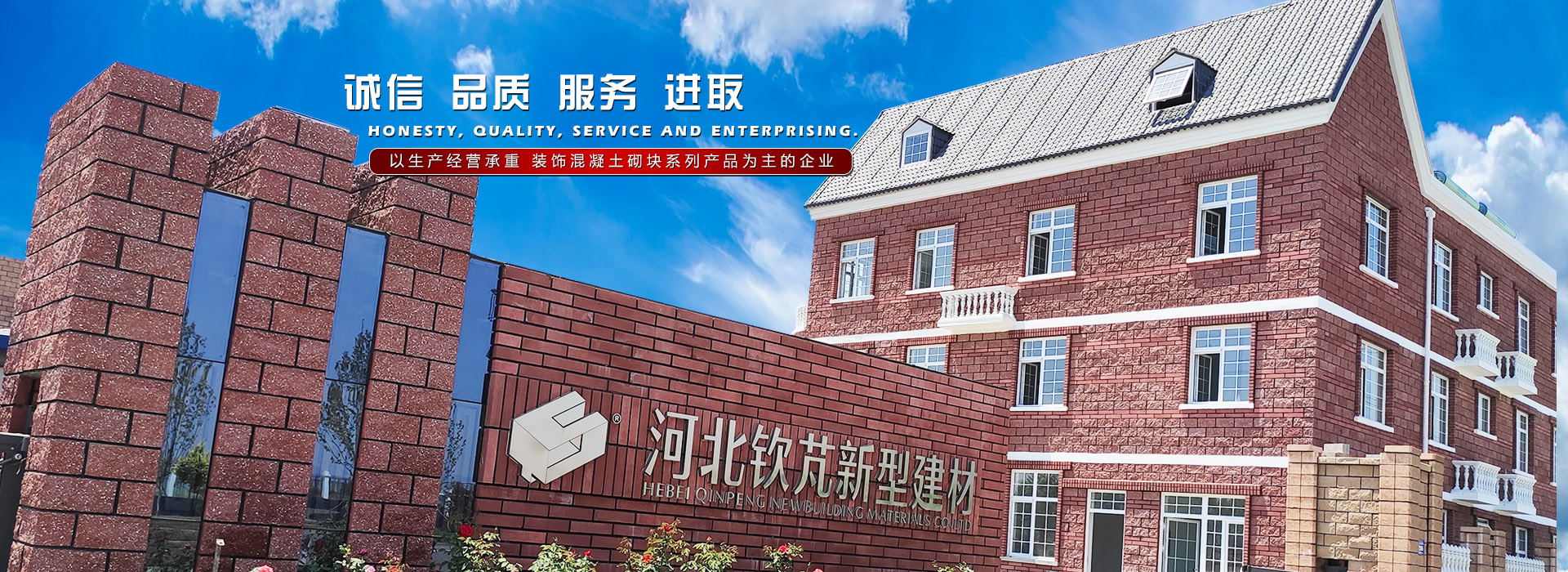
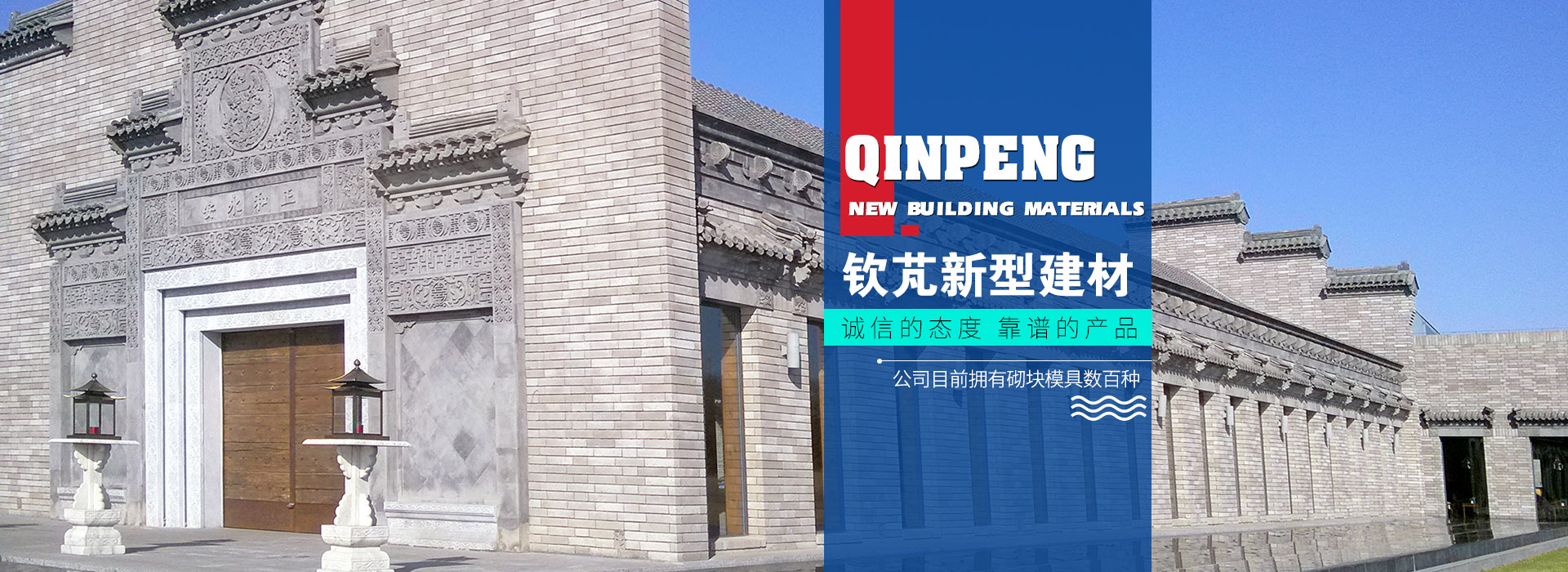
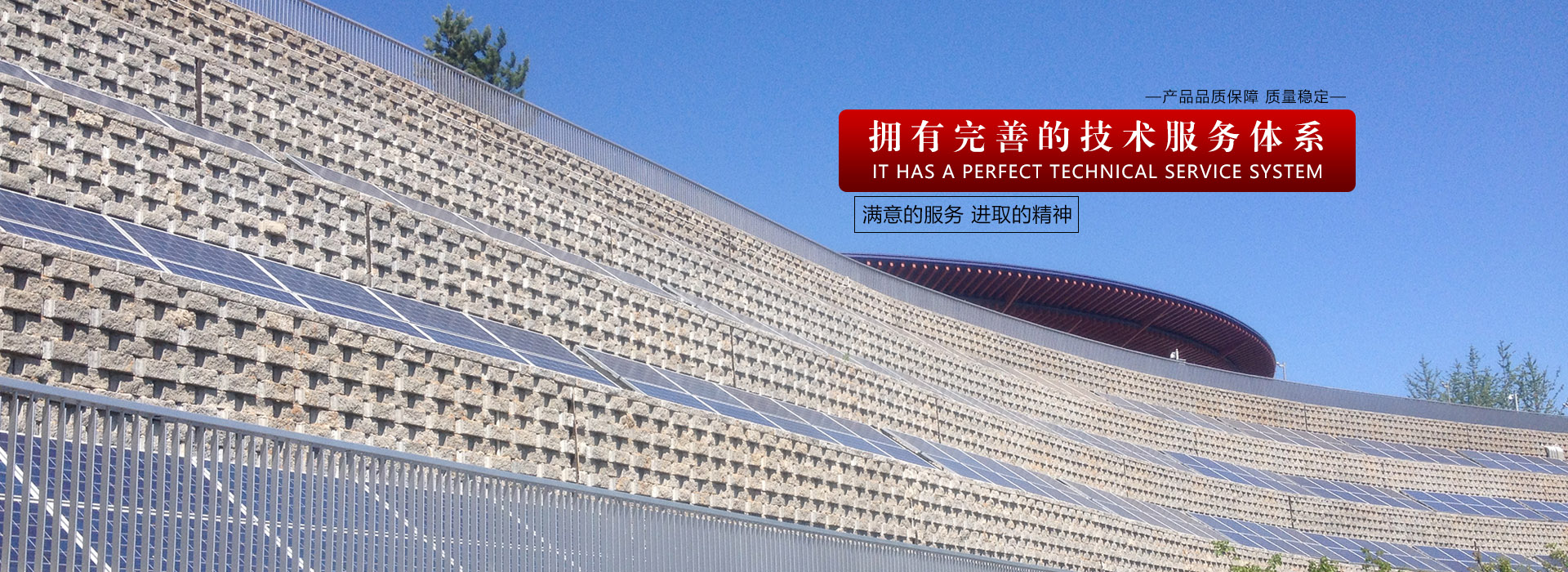
Concrete blocks available in the market generally include ordinary small hollow concrete blocks, lightweight aggregate small hollow concrete blocks, autoclaved aerated concrete blocks, and foam concrete blocks. Concrete blocks offer advantages such as high strength, low weight, ease of construction, good wall flatness, and high construction efficiency.
News Center Co., Ltd.
