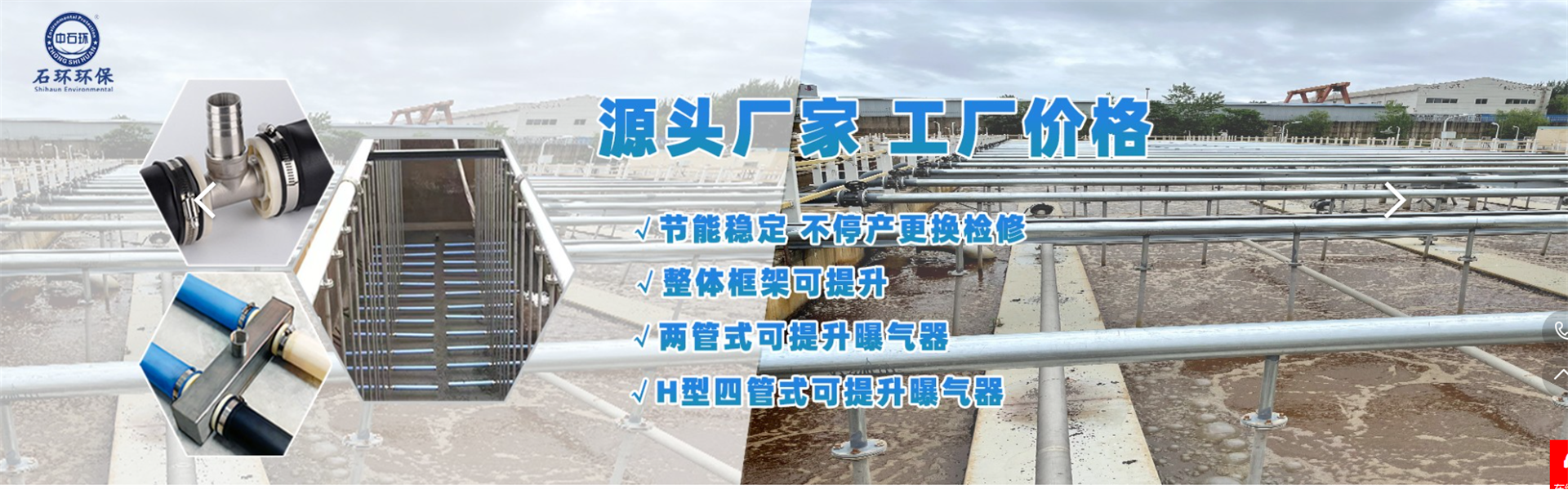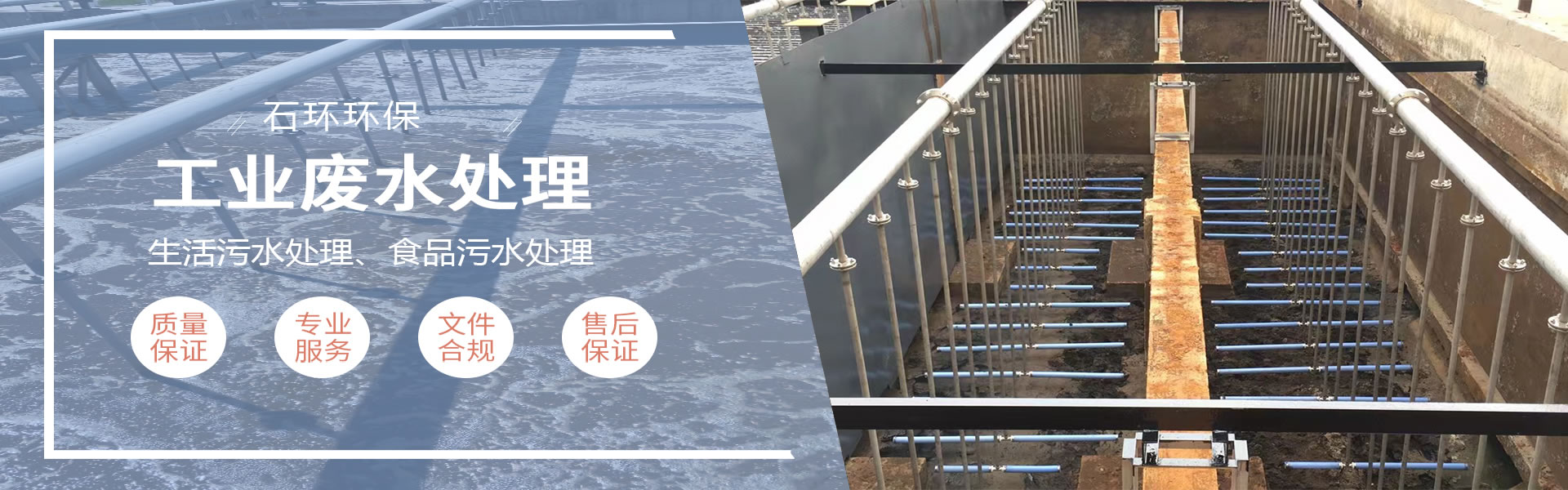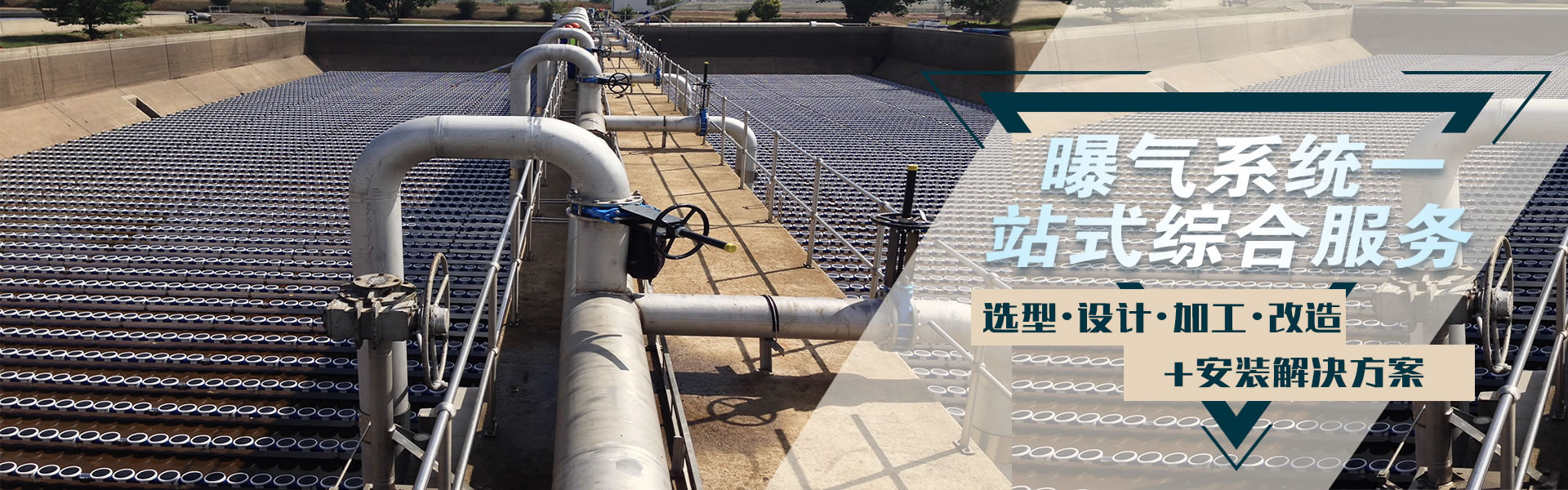
In the wastewater treatment field, the upgradable aeration device, as a critical piece of equipment, plays a pivotal role. It boasts unique advantages and undeniable drawbacks.
Advantages of Upgradable Aeration Equipment
Installation and maintenance made easy
The design of the upgradeable aeration systems often takes into account ease of installation and maintenance. During installation, no extensive civil engineering is required, allowing for rapid deployment. In terms of maintenance, due to its elevatable feature, it's easy to remove the aeration system from the water when a malfunction occurs or repairs are needed, without needing to empty the pool, significantly reducing maintenance time and costs.
Excellent aeration results
The improved aeration devices produce uniform and fine bubbles, increasing the contact area between gas and wastewater, enhancing the oxygen transfer efficiency. This effectively promotes the decomposition of organic matter in the wastewater and the growth of microorganisms, ensuring an excellent wastewater treatment effect.
Adapting to varying water depths
The adjustable aeration systems can be set at different installation heights to accommodate varying water depths in ponds. Whether in shallow or deep water areas, they consistently deliver stable aeration performance, offering flexible solutions for wastewater treatment facilities of all sizes.
Energy-efficient and high-performance
Due to its optimized aeration design, the aeration equipment can achieve efficient oxygen transfer with lower energy consumption, reducing energy use in the wastewater treatment process and meeting the requirements for energy conservation and environmental protection.
II. Drawbacks of the Improved Aerator
Costs are high.
Compared to traditional aeration equipment, the manufacturing and installation costs of the improved aeration units are generally higher. This is primarily due to their complex structural design and advanced technical requirements, which may pose some economic pressure in projects with limited funding.
High installation accuracy required
The installation of an aeration device requires a certain level of technical expertise and precision. Improper installation may affect its aeration efficiency and stability, even leading to equipment failure. Therefore, professional technicians are needed for the operation during the installation process, which adds to the project's implementation complexity.
Subject to interference from debris
During operation, the aeration blower is prone to clogging due to debris in the wastewater, such as fibers and plastic bags. Once clogged, it can reduce aeration efficiency and even damage the equipment. Therefore, regular cleaning and maintenance of the aeration blower are necessary to ensure its proper functioning.
In summary, the upgradable aeration system boasts ease of installation and maintenance, excellent aeration performance, adaptability to various water depths, and energy efficiency. However, it also has drawbacks such as higher costs, strict installation precision requirements, and susceptibility to debris. When selecting an upgradable aeration system, it is crucial to consider the project's actual needs, budget, and operating conditions to maximize its benefits, while also implementing effective measures to mitigate its drawbacks to ensure the stable operation of the wastewater treatment system.