


Recycling waste is not a task that can be solely accomplished by scavengers.
Intelligent waste sorting and recycling has several advantages over scattered scavengers: Firstly, scavengers typically pick and choose, mainly collecting waste paper and high-value plastics, while low-value items like glass, iron, and fabrics are generally not accepted, and even waste paper is only collected in cardboard form, not colored paper; secondly, scavengers often accumulate waste on streets or near residential complexes before sorting it at night at their homes, with some even sorting it directly on the streets, which severely affects urban environments; thirdly, the lack of formal sorting centers and storage facilities for scavengers poses significant safety risks, with many fires being caused by unlicensed waste collection stations; fourthly, due to high living costs and expensive rent in big cities, scavengers cannot survive in central urban areas, leading to high mobility among scavengers and a failure to promptly collect daily waste generated by residents; finally, many big cities have explicitly banned the use of motorized and non-motorized three-wheeled vehicles on roads, leaving scavengers without transportation means to collect and transport waste.
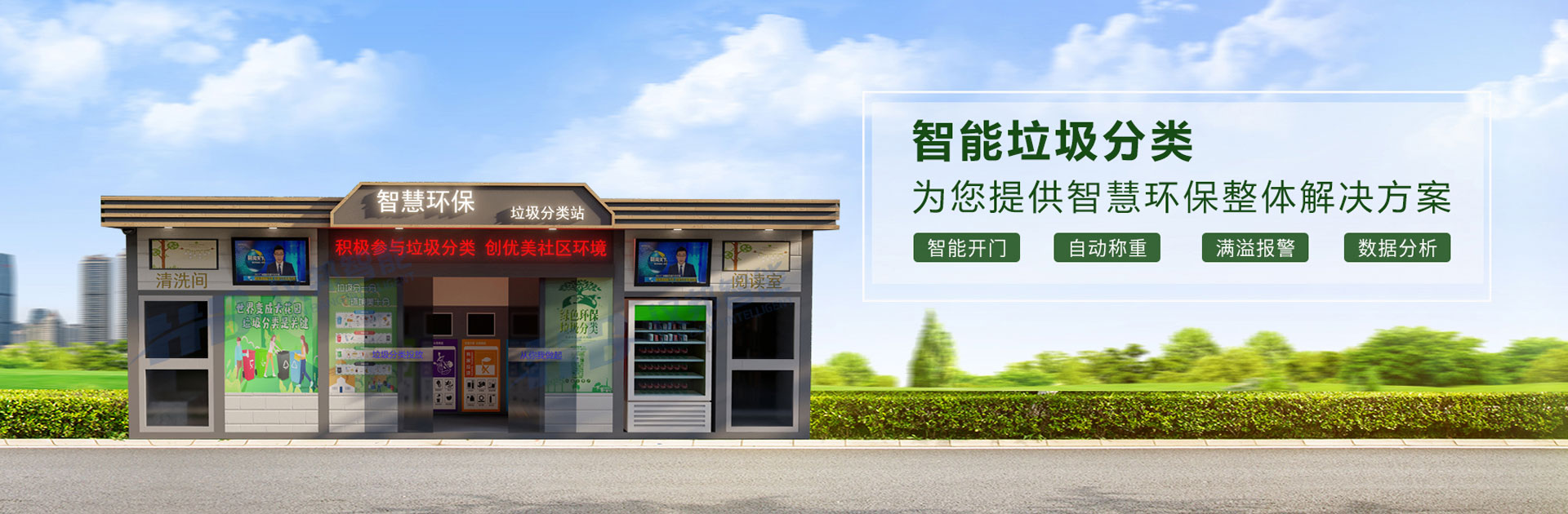
Comprehensive Intelligent Waste Sorting Equipment
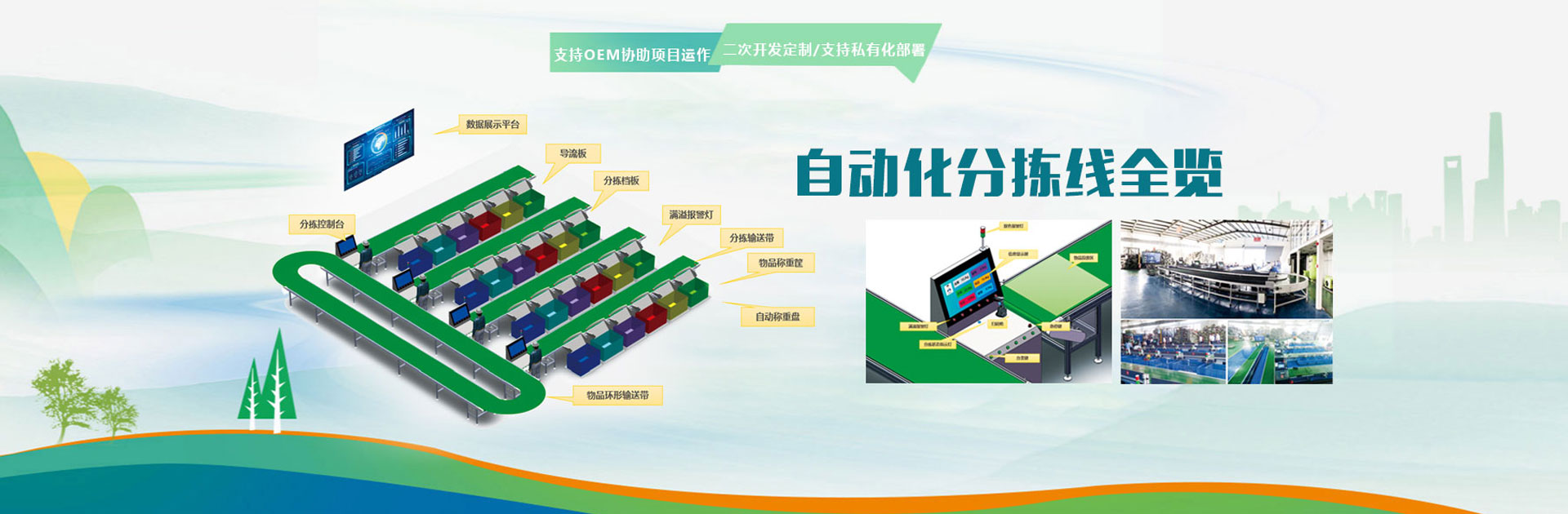
Waste sorting involves four stages: classification for disposal, collection, transportation, and processing. The "Internet + Waste Sorting" model and smart waste sorting equipment play a crucial role in the disposal and collection phases. In addition to automatic weighing and point-based rewards, the smart waste sorting system features information collection, traceability of disposal, on-site supervision, control of waste flow, and automatic data upload. It not only incentivizes residents to participate in waste sorting but also tracks the responsibility for incorrect disposal. This allows for a more accurate statistical analysis of the correct and participation rates. Simultaneously, increased efforts in publicity and education are directed towards residents with no disposal records, ensuring that no household or individual is left behind in the promotion of waste sorting. These functionalities and effects cannot be achieved with conventional waste sorting equipment.
