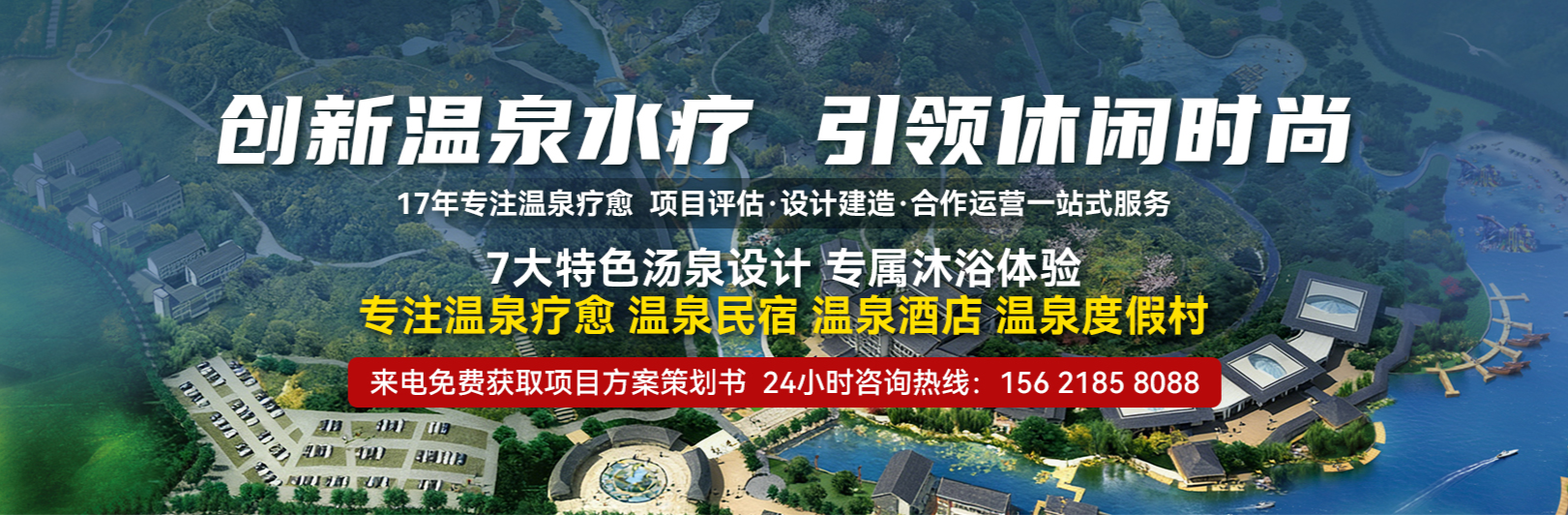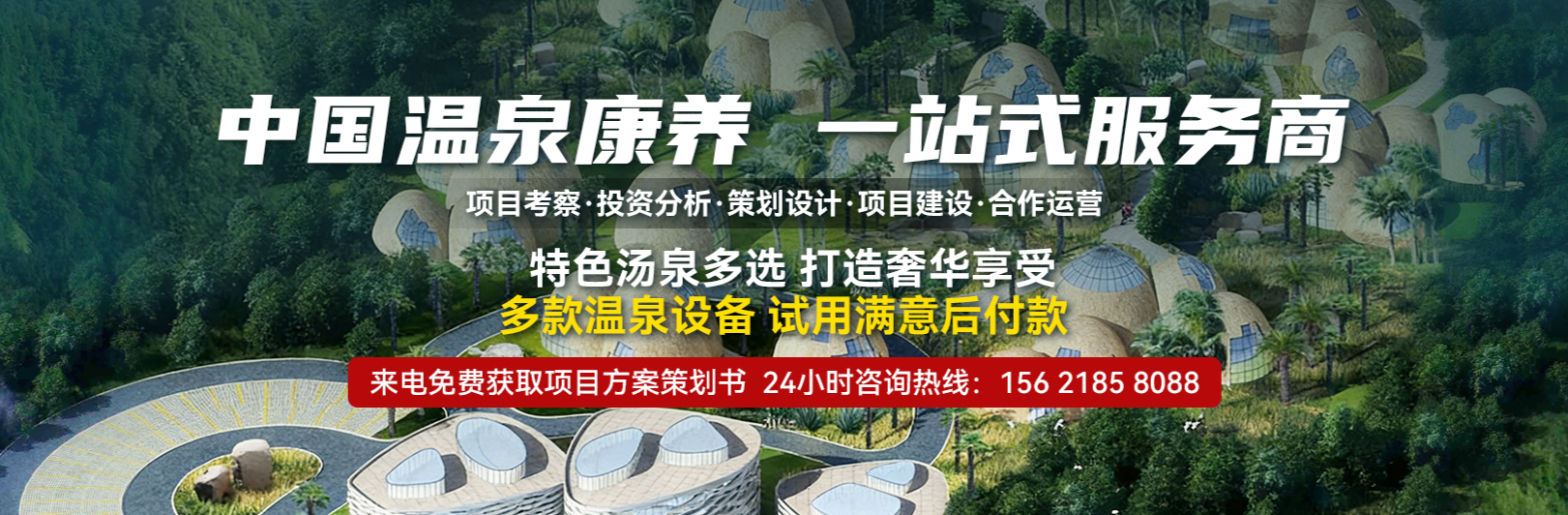

The company specializes in hot spring equipment, hot spri...



Product Recommendation
Resource Development Imbalance: Conflict Between Extensive Use and Sustainability Highlights
Hot springs, as a scarce geothermal resource, are the foundation for industrial development. Currently, there are evident issues with unregulated development in some areas, with chaotic layouts and frequent blind exploitation. During peak seasons, the usage of hot spring water far exceeds the scientifically recommended extraction amounts, leading to irreversible damage such as water level decline, water quality degradation, and temperature drop. Worse still, some projects lack scientific recharge systems and water-saving facilities, with hot spring water being directly discharged after single use, resulting in a resource utilization rate of less than 40%. This not only wastes resources but also exacerbates ecological pressure. This "heavy development, light protection" extensive model not only exhausts the resource endowment but also causes the industry to lose its long-term foundation.
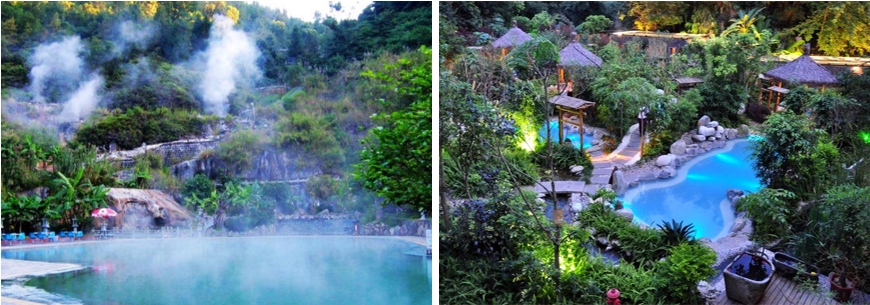
Homogenization is one of the most prominent pain points in the current development of hot spring tourism. Over 70% of hot spring projects across the nation are still stuck in the traditional model of "hot spring + accommodation + catering," with similar pool styles and facilities, lacking distinctive themes and in-depth experiential content. To attract customers, many small and medium-sized projects have fallen into a low-price competition trap, with some areas seeing average housing prices drop by 12% compared to 2019, continuously squeezing profit margins. This lack of differentiated product offerings fails to meet consumers' diverse and personalized experience needs and makes it difficult for projects to establish a core competitive advantage, leading to a short-term cycle of "opening - boom - price drop - decline."
The "hot winter, cold summer" seasonal curse is a common predicament for hot spring tourism. Northern hot spring hotels see their winter revenue account for over 60% of the year, while summer occupancy rates can plummet below 40%. In some southern hot spring projects, the off-season接待量can be cut in half. This seasonal imbalance not only leads to resource waste but also puts immense pressure on project operations—staff shortages and declining service quality during peak seasons, and high maintenance costs during the off-season. This cyclical fluctuation makes it difficult for most hot spring projects to achieve stable profitability, posing a significant obstacle to the industry's scaled development.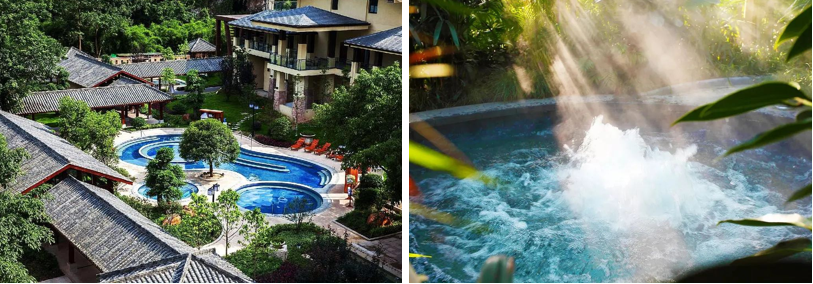
In the brand-building aspect, most regions lack unified regional public brand management, leading to companies fighting individually and failing to create a cluster effect. Some high-quality hot spring resources are trapped in obscurity due to a single promotional channel and unclear positioning, struggling to transform into market influence. On the service front, the industry lacks overall standardization, with key aspects like hot spring water treatment, quality testing, and hygiene and safety lacking in regulations, resulting in varied service quality. Additionally, digital empowerment is lagging, with most small and medium-sized projects still relying on traditional offline channels for customer acquisition, weak in precise marketing capabilities, further constraining brand value enhancement.


www.114global.com © Zhongshang 114 Hebei Network Technology Co., Ltd.Address: Room 6009, Oriental New World Center, No.118 East Zhongshan Road, Qiaoxi District, Shijiazhuang City, Hebei ProvincePlatform Service Hotline: 4006299930