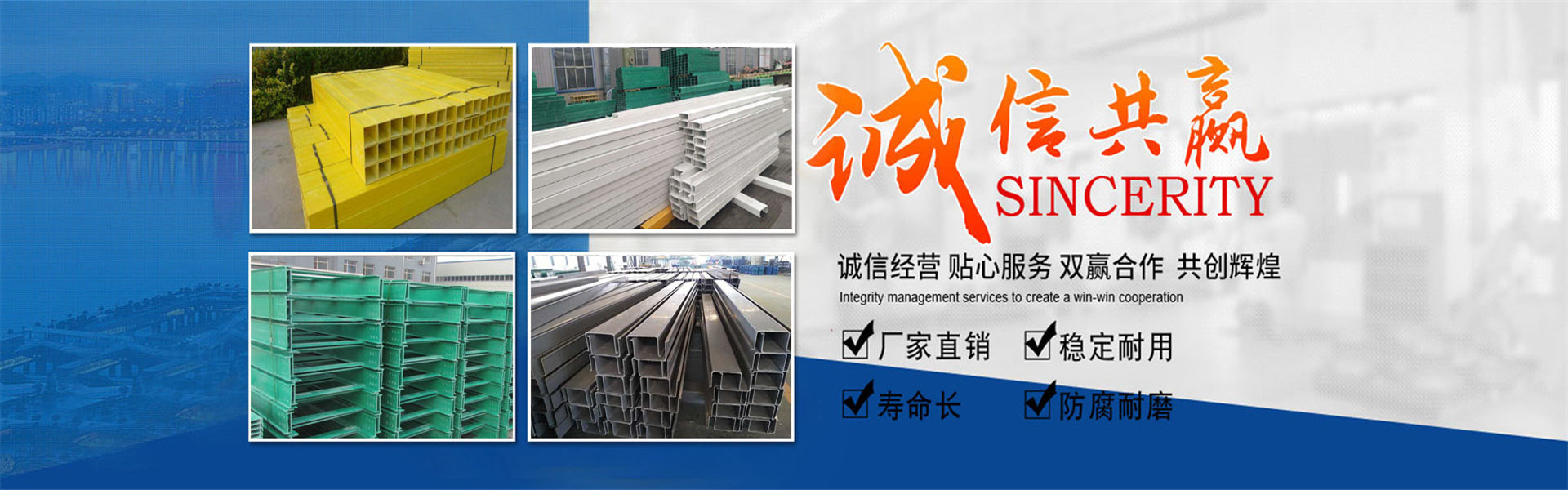
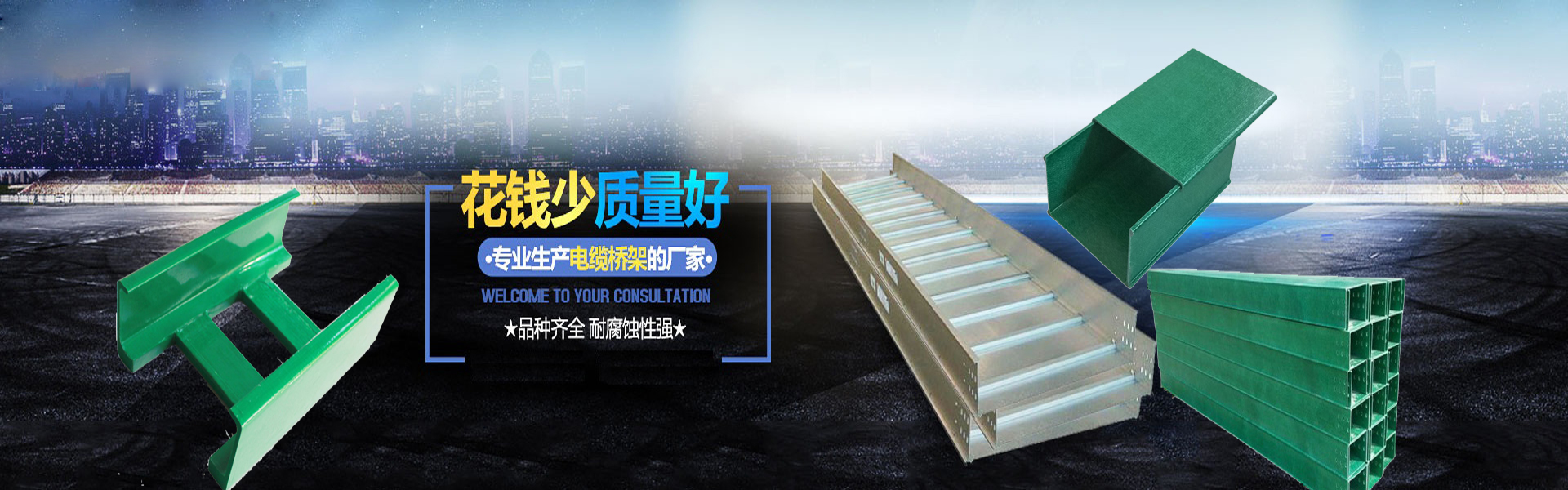
Cable trays, also known as cable bridge supports, are generally categorized into channel cable trays, bridge cable trays, trapezoidal cable trays, and grid cable trays, among others. They can be installed on various buildings and supports, or due to the many advantages they offer during the installation process: this type of cable tray is easy to install, has a simple structure, offers flexibility in use, and is convenient to maintain. Therefore, they are widely used.
From a physical performance perspective, it boasts corrosion resistance, moisture-proof properties, excellent adhesion, and high impact strength, making it suitable for operations near coastal areas.
The galvanized metal conduit is a completely enclosed fiberglass cable tray. It is suitable for laying computer, communication cables, and thermocouples. The fiberglass tray is used for standardizing, serializing, and generalizing the lengths of wires, cables, and pipes. It offers better shielding against interference and protective effects for control cables in severely corrosive environments, especially for cables and other highly sensitive systems.
When considering using slot-type high-temperature fans as protective covers, surface treatment should be conducted. The FRP cable tray is a thin-walled steel structural component. To adapt energy to different environmental requirements and provide alternative options, our factory carries out alternative work during the surface treatment process of the FRP cable tray. This includes processes such as galvanizing, where the product is pickled, alkali cleaned, washed, passivated, galvanized, and then passivated again, forming an overlapping transparent film on the inner layer and surface of the galvanized layer. This improves the corrosion resistance by 5-8 times. Particularly, the improvement in the hot-dip galvanizing process ensures the surface quality of the hot-dip galvanized trays meets advanced standards in the United States, Canada, and other countries, and exceeds 40 years in coastal areas.