

Hyper Sonic CoatingProcess Technology?
Supersonic spraying technology is an efficient surface coating process that achieves high-quality coatings in a shorter period of time. The process primarily consists of three steps: pretreatment, coating, and post-treatment.
During the pretreatment phase, surface preparation of the coated substrate is essential to ensure the adhesion and corrosion resistance of the coating. Common methods typically include cleaning, oxide removal, sanding, and sandblasting. Subsequently, the substrate is preheated to reach a temperature range suitable for the coating application.
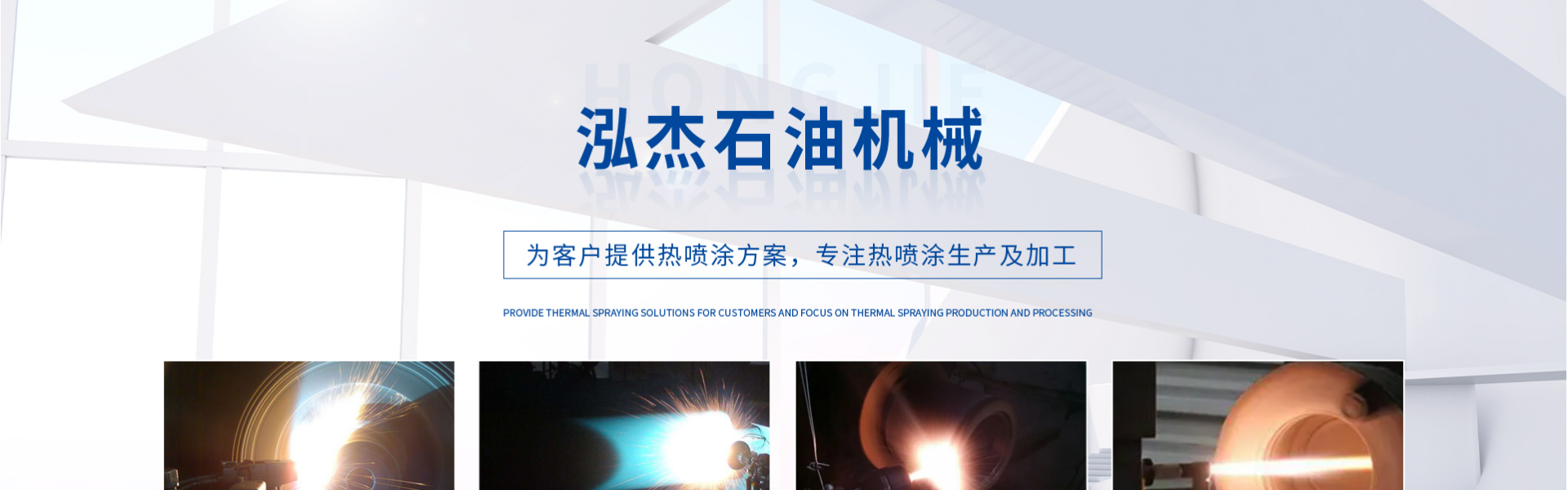
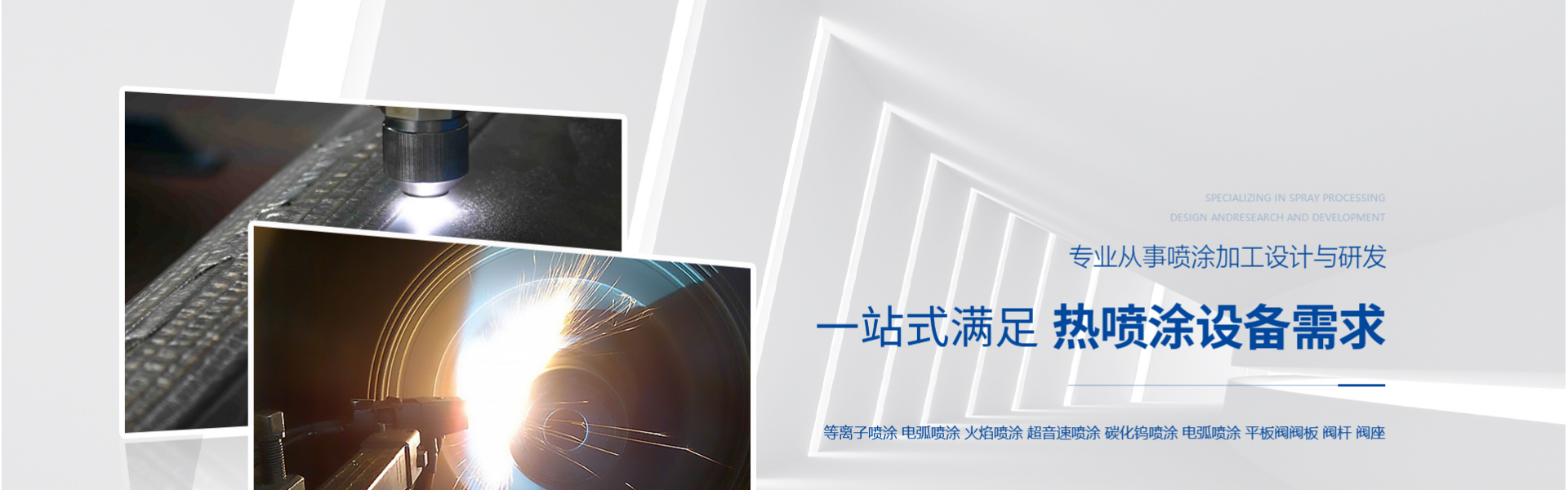
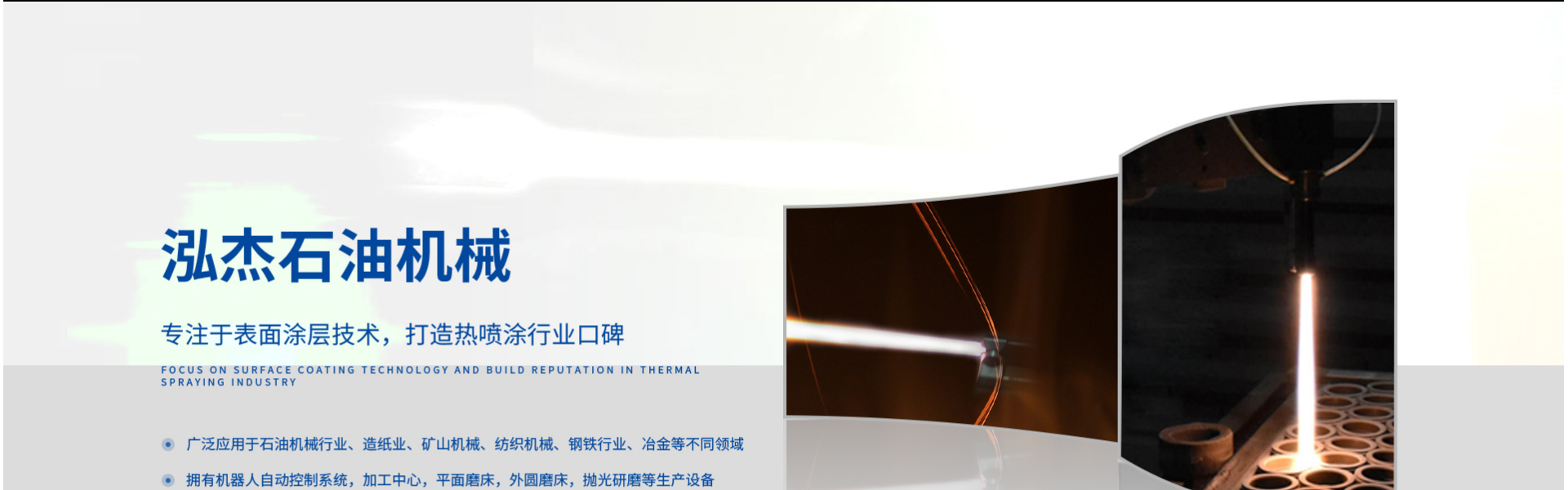
Next comes the coating stage, where the supersonic spray technology uses high-speed airflow to jet molten or partially molten materials onto the substrate surface, forming a uniform coating. This spraying process is typically carried out under supersonic conditions, with the gas velocity in the nozzle exceeding 1 Mach, which generates high temperature and pressure upon the impact of the coating material with the substrate, resulting in a uniform and dense coating. Supersonic spray technology can be applied to various materials, including metals, ceramics, alloys, and can achieve coatings of different thicknesses.
In the post-treatment phase, after the coating is formed, it must undergo sintering or curing to enhance its wear resistance and corrosion resistance. Common methods include high-temperature firing, heat treatment, or chemical processing, all to ensure the integrity and performance of the coating.
Overall, the supersonic spray coating technology boasts advantages such as simple operation, high efficiency, and high coating quality, and is suitable for applications in aerospace, automotive manufacturing, and electronic devices industries. With the continuous advancement of technology, supersonic spray coating technology will continue to evolve and be applied, bringing more convenience and benefits to modern industrial production.
