




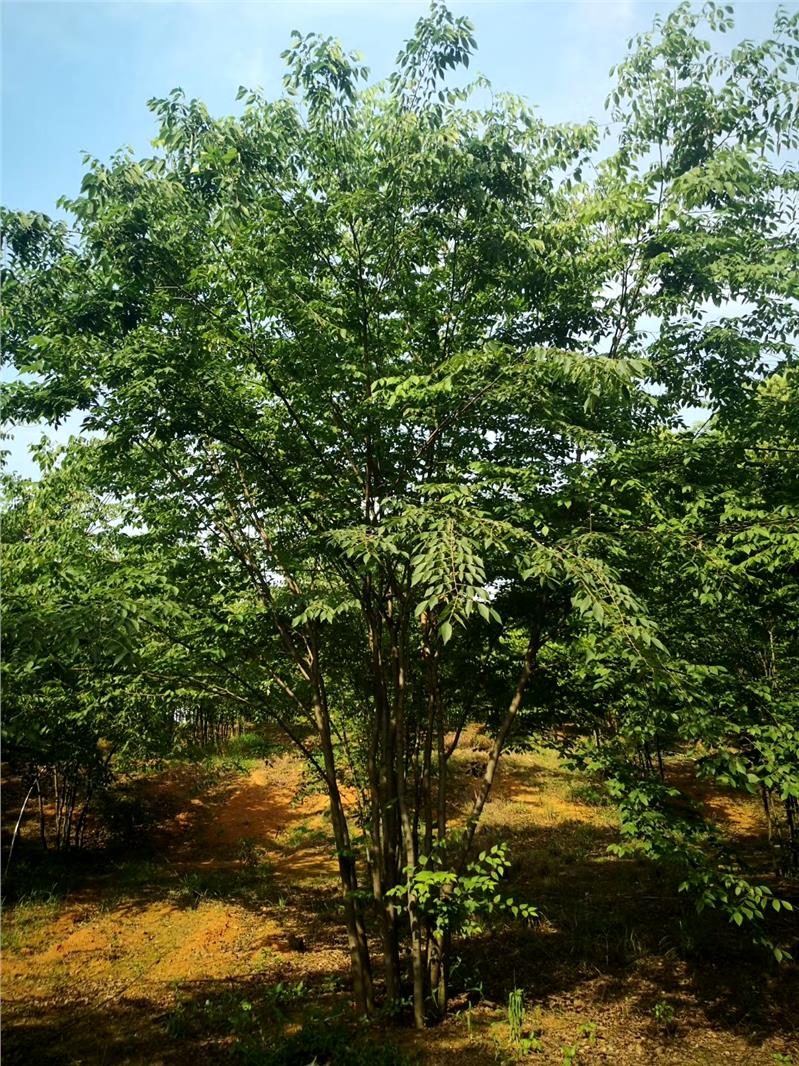
Distribution Range:
Distributed across Shandong (Qingdao, Laoshan), Henan, Jiangsu, Anhui, Zhejiang, Fujian, Jiangxi, Hunan, Hubei, Sichuan, Guizhou, Guangxi, Guangdong, and Taiwan in China. Also found in Vietnam and Laos.
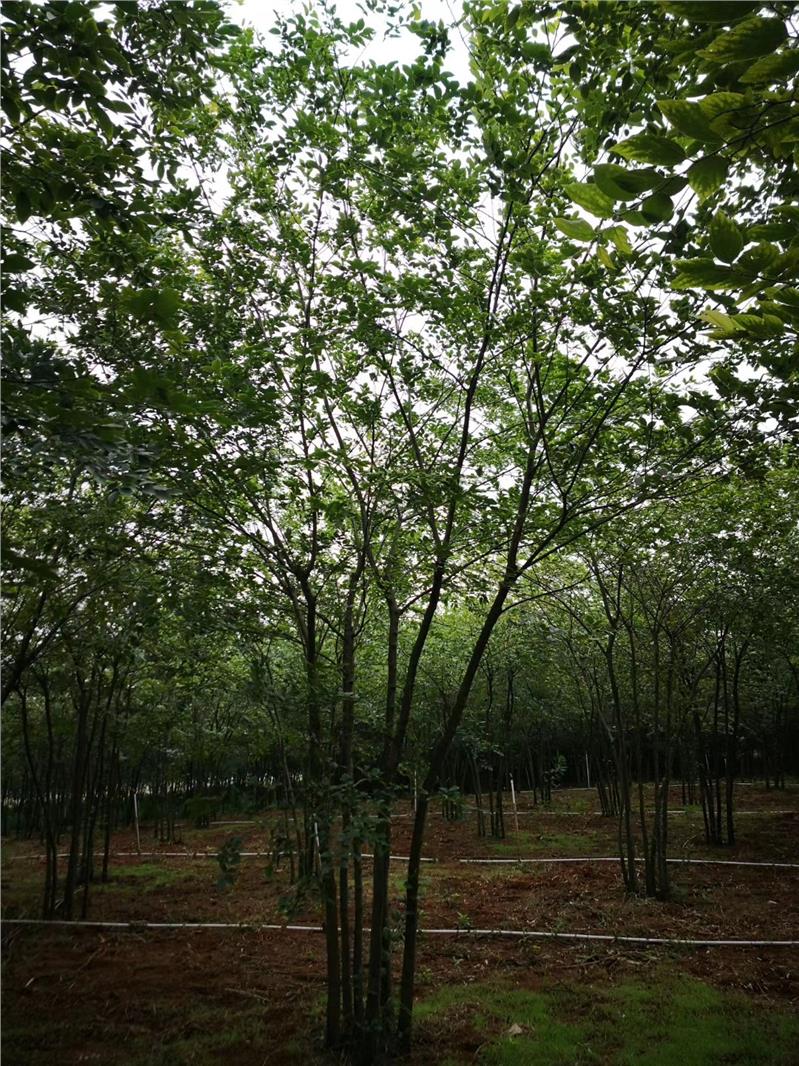
Pest and Disease Control:
Compared to other tree species, the planting of Zelkova is relatively simple, but it faces very serious pests and diseases during its growth. Common pests and diseases of Zelkova include woodlice, red spiders, diseases, soot blight, and leaf spot. Woodlice can be treated with a 1000-1500 times diluted spray of insecticide, red spiders with a 1000 times diluted acephate emulsion, diseases with a 2000 times diluted triazole emulsion, and soot blight with a 500 times diluted carbendazim.
Pine Tree Pruning and Shaping typically involves two steps: processing and shaping. When pruning pine trees, the rough tie and fine cut method can be used, where the entire tree trunk is first wrapped with rope, followed by trimming the branches and leaves. The pruned桩景not only boasts lush foliage and an elegant posture but also maintains its grace even during the leaf-falling winter. The potting shapes of pine tree landscapes commonly include straight trunk, slanting trunk, curved trunk, and horizontal trunk styles. The leaves can be trimmed into elliptical, spherical, and other shapes.
The cultivation process of Paulownia generally involves three steps: selecting pots, selecting soil, and planting. For selecting pots, Paulownia bonsai is typically classical and elegant, so it's advisable to use purple sand ceramic pots or glazed earthenware pots. When choosing the shape of the pot, select a rectangular, square, or oval pot based on the shape of the Paulownia. For the color of the pot, opt for light yellow or reddish-brown pots. Paulownia leaves are dense and dark green, with greyish-brown, rough bark. Light yellow or reddish-brown pots can serve as a contrasting accent. For soil selection, Paulownia is adaptable with modest soil requirements, so fertile, loose, and well-draining sandy loam is suitable. During potting, mix garden soil with sand or hull ash to create the soil mixture. Planting usually occurs after autumn or before the Paulownia buds in spring. When planting, prune and trim the roots appropriately, remove excess main stems, retain more lateral and fibrous roots, and choose loose, fertile soil. Also, prune the branches and leaves moderately. To prevent the Paulownia roots from being too deep, use medium to shallow pots, cover with soil, and ensure the roots are firmly packed with soil to prevent rot and mold. Additionally, maintain proper water management by spraying water on the Paulownia twice a day, keeping the surrounding soil moist.
