
Cultivation Key Points:
1. Planting: Opt for spring or autumn, especially on cloudy or rainy days. Choose a location with good ventilation, drainage, and warmth, with ample light or semi-shaded conditions. When transplanting, ensure a well-formed ball of soil to ensure survival rate. The planting soil should be acidic, avoiding alkaline soil. The potting mix for osmanthus should be a 2:3:3:2 ratio of leaf mold, garden soil, sand, and well-composted cake fertilizer. Mix well, then repot or transfer; this can be done before the spring buds emerge. 2. Light and Temperature: In areas south of the Yellow River, outdoor cultivation over winter is possible. Pot plants should be brought indoors during winter, placed in a sunny spot to receive direct sunlight, with room temperature maintained above 5°C but not exceeding 10°C. After the buds emerge in April, move them outdoors, initially to a windward and sunny spot for care, then gradually to a ventilated and sunny or semi-shaded environment for normal management. Insufficient light during the growing season affects flower bud differentiation. 3. Watering and Fertilizing: Before planting, add ash and organic fertilizer to the tree, water thoroughly after planting. Keep the soil moist before new branches emerge, but do not fertilize. Generally, apply nitrogen fertilizer once in spring, phosphorus and potassium fertilizer once in summer to promote lush flowers and leaves, and apply winter organic fertilizer before winter, mainly well-composted cake fertilizer and stable manure. Avoid heavy fertilizers, especially manure and urine. In northern areas, pot plants should be kept in a low-temperature greenhouse during winter, with good ventilation and lighting indoors, and less watering. After moving out in April, increase water slightly, and during the peak growing season, apply moderate diluted fertilizer water. During flowering season, the fertilizer water can be slightly richer.
4. Pruning and Shaping: Depending on the tree, establish the main framework according to its posture. Remove suckers, dense branches, overgrown branches, crossing branches, and diseased or weak branches to ensure good ventilation and light penetration. For trees with stronger top and weaker bottom, shorten the upper branches by 1/3 to strengthen the overall tree structure, and apply a healing and antiseptic film at the pruning cuts for protection.
5. Planting Osmanthus in the North: Generally speaking, Osmanthus is widely cultivated in the Huaihe River basin and southward regions, with its suitable growing area extending as far north as the lower reaches of the Yellow River and as far south as Guangdong and Hainan. However, it is also possible to grow Osmanthus in Beijing and Qingdao. As mentioned in "300 Questions on Home Flower Cultivation" by Feng Tianzhe, after the young Osmanthus trees have entered winter, you should water them with antifreeze and cover the base of the tree to protect the roots. Then, wrap the trunk and branches with seven layers of thick newspaper, and they can survive the winter outdoors in Beijing. After three years, they no longer require winter protection.
Osmanthus has many names: called "Gui" because its leaves resemble a jade tablet; known as "Muxi" due to its rhinoceros-like grain; esteemed for its elegance and purity, it's also known as "Immortal Friend"; referred to as "Immortal Tree" or "Moon Old in Flowers." Typically growing on rocky ridges, it's also called "Rock Osmanthus." When in bloom, its rich fragrance lingers far, with a unique blend of both purity and intensity, capable of cleansing the soul and reaching afar, hence the nickname "Nine Li Fragrance." The yellow flowers are fine like millet seeds, thus also known as "Golden Millet." Osmanthus is the "Immortal Guest." Blossoming in autumn, traditionally associated with the god of autumn in the west, it is also called "Xixiang" or "Autumn Fragrance." The osmanthus tree symbolizes grandeur, chastity, honor, friendship, and auspiciousness. Those who achieve success in their careers are said to "Break the Osmanthus." Green Silk Pavilion, the osmanthus remains evergreen, lush with branches and leaves, blooming in autumn with its fragrance spreading widely, truly "Overtaking the Three Autumnal Months and Pressing All Flowers."
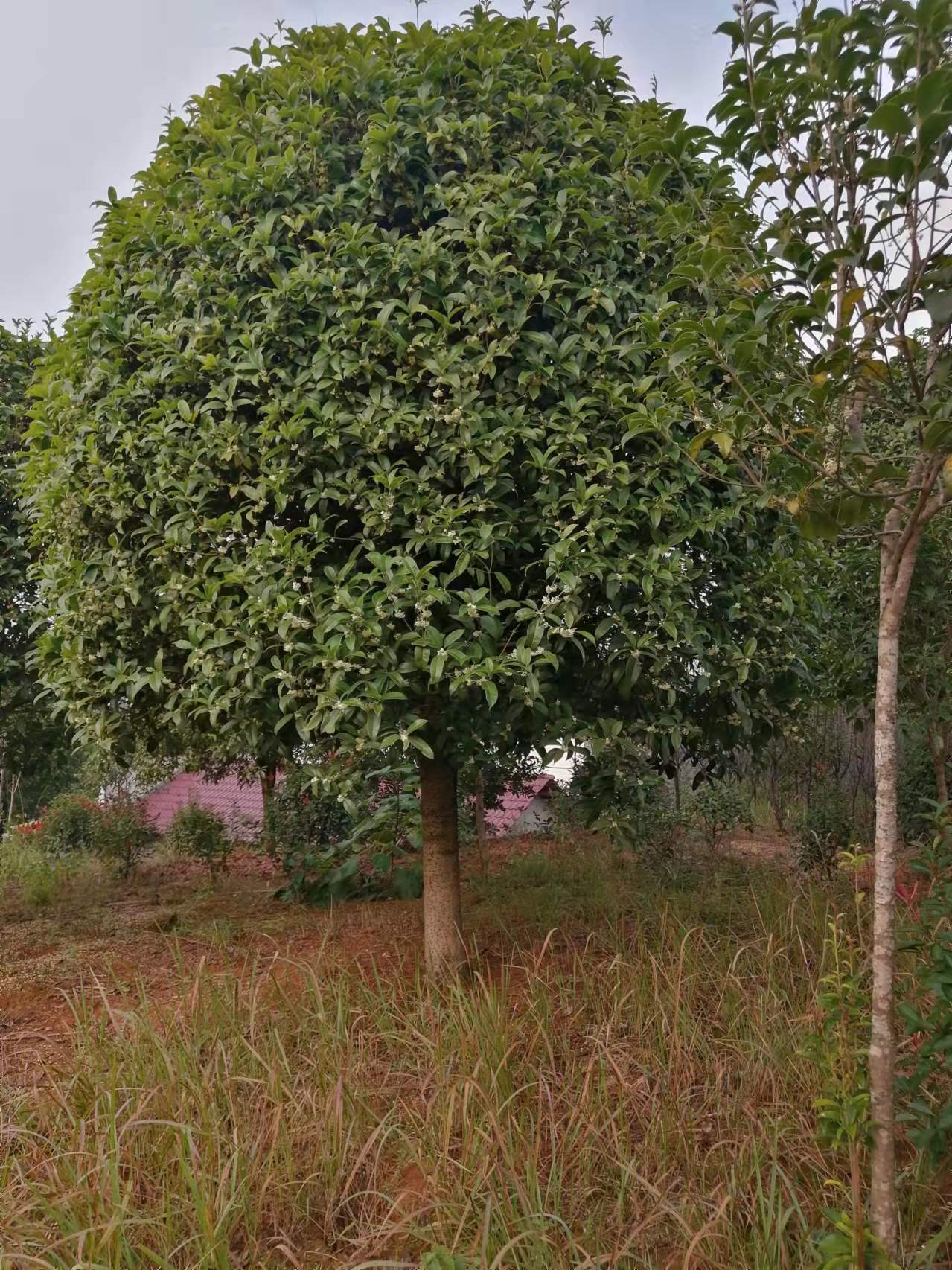
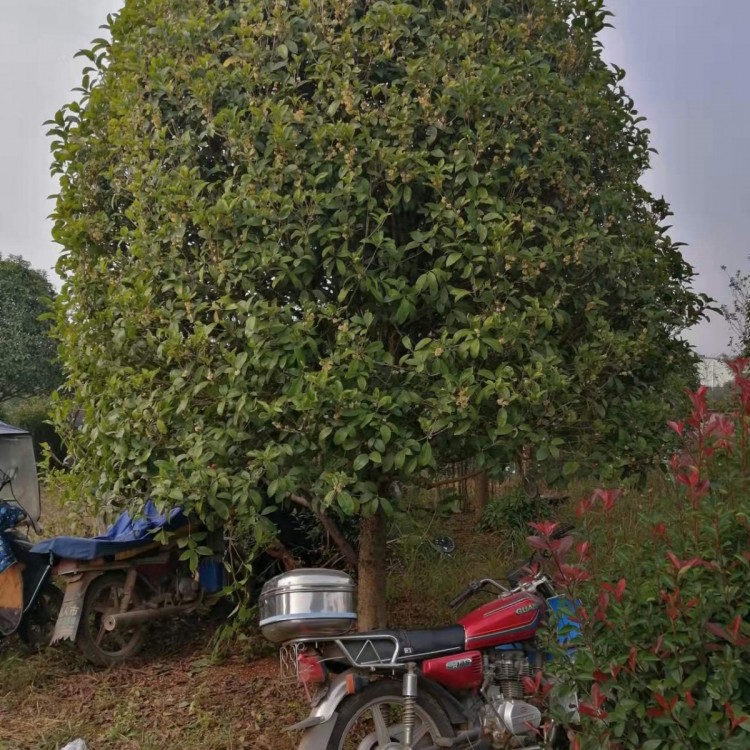
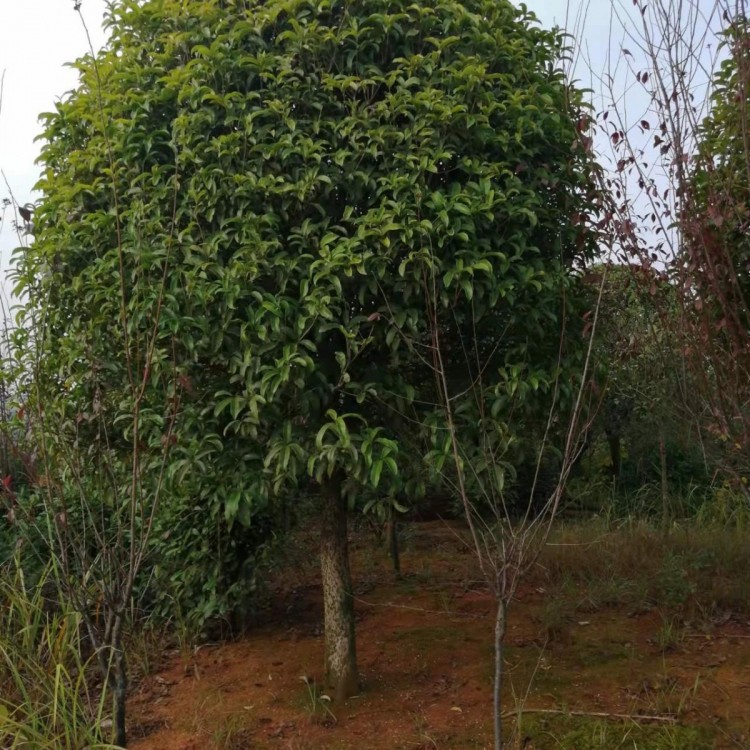
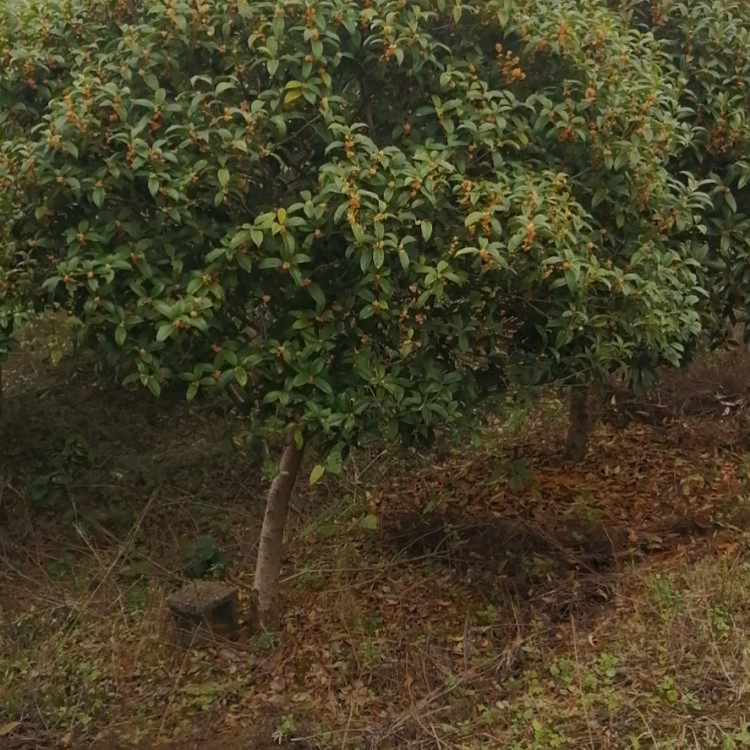
Osmanthus seedlings are the young plants of Osmanthus, also known as Osmanthus fragrans or Rock Osmanthus. They belong to the evergreen shrubs or small trees of the Oleaceae family, with tough wood and thin bark. The leaves are long and elliptical with pointed tips, arranged oppositely, and remain evergreen throughout winter. The flowers are borne between the leaves, with a corolla that is fused and divided into four lobes, small in size. Varieties include Golden Osmanthus, Silver Osmanthus, Dan Gui Osmanthus, and Moon Osmanthus, among others.
Osmanthus is in high demand in the landscaping market. With society's rapid progress and the rapid development of construction in medium and small cities, there is a situation of supply not meeting demand in the landscaping market. Osmanthus trees are evergreen, not only do not shed leaves, but also emit an alluring fragrance in autumn. Moreover, many contractors have been seen rushing to the production areas to "snatch" osmanthus trees, but a majority return disappointed, not because they can't afford the price, but because there are simply not enough trees, and it's also hard to meet the demand for appearance. Based on the current situation, the demand for osmanthus trees is unlikely to be met for a considerable period of time.