


As the environmental awareness heats up, new exterior wall insulation materials have become a hot topic. Silica aluminum insulation material, as a new type of environmentally friendly wall insulation material, what should be noted during construction? Silica aluminum insulation material, also known as (silica aluminum composite insulation coating), is a new type of environmentally friendly wall insulation material. It meets national building standards and is an essential material for many real estate developers, construction contractors, and decoration contractors. The silica aluminum composite insulation coating is a new type of inorganic single-component packaged dry powder insulation coating made by adding a certain amount of inorganic additives to natural fibers and then undergoing composite processing. Before construction, the insulation coating is mixed with water and applied to the surface of the insulated wall. After drying, it forms a microporous networked structure.Insulation and thermal barrier.
Alumina silicate thermal insulation materials are primarily used as the thermal insulation layer in the external wall external insulation systems of particle materials (including polystyrene beads, vitrified microspheres, expanded perlite, and expanded vermiculite, etc.), and can also be used for ordinary external wall crack prevention.
Expanded Perlite is a natural acidic glassy volcanic lava non-metallic mineral, including perlite, pitchstone, and obsidian, with the three differing only in their crystalline water content. Due to its rapid contraction by a factor of 4 to 30 under high temperatures of 1000 to 1300°C, it is collectively known as expanded perlite. Poly苯 particle thermal insulation coating is a grey dry powder, made from a variety of components including inorganic binder materials, high molecular polymer, reinforcing and crack-resistant coatings. It is pre-mixed and dry blended. The poly苯 particle thermal insulation coating is a thermal insulation system formed on-site. The system consists of an interface layer, a polymer powder poly苯 particle thermal insulation layer, a composite glass fiber mesh covered with mortar, and an outer decorative layer. It integrates wall insulation and decorative functions, is widely applicable, offers complete material matching, and has a simple, reasonable process, meeting the energy-saving requirements of building construction under various climatic conditions across most of our country. It effectively addresses issues such as thermal insulation, crack resistance, wind pressure resistance, seismic resistance, water resistance, hydrophobicity, weather resistance, breathability, and construction adaptability. It is one of the exterior wall insulation methods with comprehensive technological advantages.玻化微珠, a type of acidic glassy rock mineral (pitchstone mineral sand), is processed and manufactured into a porous internal and vitrified surface with spherical fine particle shapes through special technology and production processes. It is a new type of high-performance inorganic lightweight thermal insulation material.
Expanded Vermiculite: After being roasted at high temperatures, the volume of vermiculite sheets can rapidly shrink several to tens of times. Vermiculite that has undergone this volume shrinkage is known as expanded vermiculite.
Application Methods for Aluminum Silicate Insulation Materials:
Mix Ratio: 25kg of powder mixed with 5-5.5kg
First, pour clean water into the bucket, add the crack-resistant mortar, and mix it with an electric mixer to form an even, particle-free paste. Let it stand for 3-5 minutes, then gently stir again before use.
3. Apply evenly to the work surface using a spatula or spreader.
When reinforcing the insulating layer with glass fiber mesh, apply the mortar evenly on the working surface of the insulating layer using a trowel. Then, press and flatten the fiber mesh with a scraper, followed by a coat of crack-resistant mortar on the surface. Aim for a smooth finish. The subsequent process can be stopped after 3-7 days of curing.
Product thickness is standard at approximately 3mm, with a usage of about 2-3 kg/m².
Precautions for the Application of Aluminum Silicate Insulation Materials
Before construction, it is essential to confirm the verticality and flatness of the sub-material.
Do not mix dried paste with water and reuse it.
3. Prior to construction, ensure the walls are adequately moistened, free of standing water.
The mixed putty should be used within 5 hours.
Avoid construction in temperatures outside the range of 5-40°C or during rainy weather.
6. Storage: Store in a cool, dry place; unopened products can be kept for one year.
Packaging: 25kg per bag
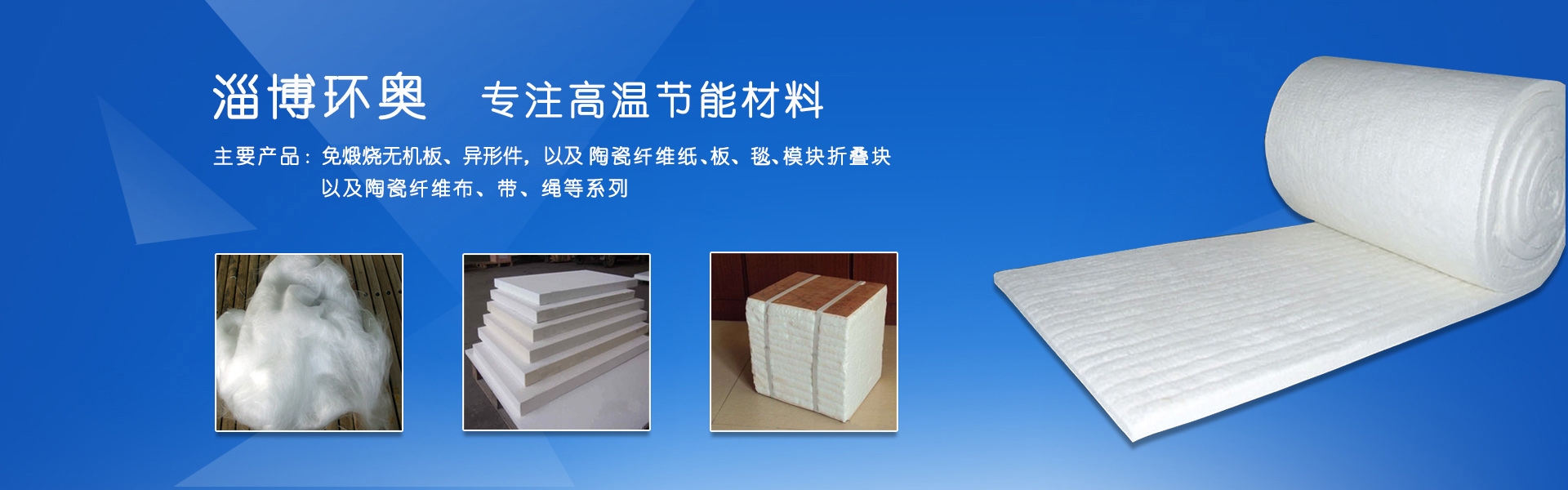
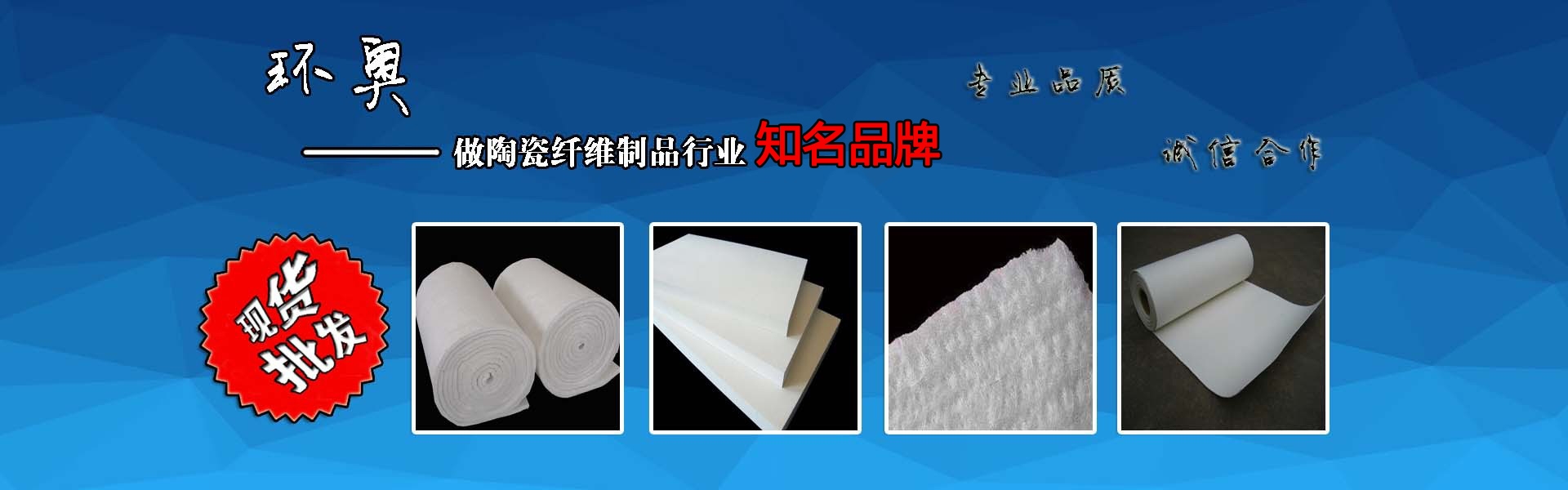
Shandong Zhoucang Huanao, located in the hometown of the world-renowned short story master Pu Songling, boasts a prime location overlooking the Silk Road town. With convenient access to the 309 National Highway and abundant material resources, it lies in the heart of Zibo's economic center. The company is a professional manufacturer of refractory insulation fiber materials, offering a wide range of products including: alumina silicate wool, ceramic fiber mats, ceramic fiber paper, ceramic fiber modular blocks, alumina boards, strips, ropes, removable insulation covers, refractory fiber seams, high-temperature insulation pads, heavy-duty refractory bricks, light-duty insulation bricks, refractory mortar,不定形耐火材料, and heavy-duty refractory materials.
