


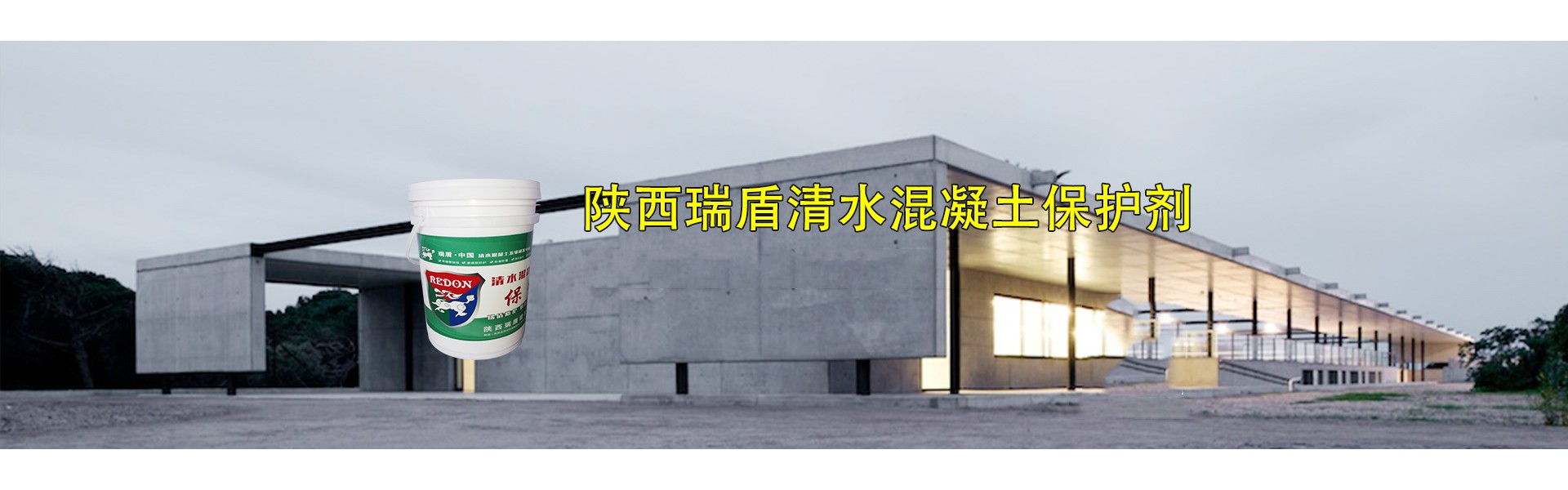

Exterior finishing with exposed concrete is a common material choice, featuring both advantages and disadvantages. Below is an introduction to the pros and cons of exposed concrete finishing:
Advantages:
The architectural effect is impressive: the finish of exposed concrete presents a rugged, primitive style, offering a unique sensation.
2. High Durability: Decorated with self-leveling concrete, the finish boasts exceptional durability, capable of withstanding prolonged use and wear.
Low maintenance costs: Decorated with exposed concrete, there is no need for frequent maintenance and care, resulting in low operational costs.
4. Environmental and Health-Friendly: The清水concrete finishing utilizes natural materials (cement, sand, aggregates, etc.), free of harmful substances, ensuring no adverse effects on human health.
5. Excellent Fire Resistance: The water-plastered concrete finish offers excellent resistance to flames, effectively preventing the occurrence of fires.
Flaw:
The production of white concrete finish is relatively complex, requiring specialized techniques and equipment.
2. Extended Construction Period: Compared to other decorative materials, the construction period for plain concrete decoration is relatively longer, requiring patience.
3. Initial High Costs: Due to the complexity of manufacturing and construction, the initial costs of polished concrete finishes are relatively high.
4. Monochromatic Aesthetics: The finish of exposed concrete is rather monochromatic, making it less conducive to dyeing and decoration, and thus has certain limitations.
In summary, exposed concrete finishes offer advantages such as durability, low maintenance costs, environmental friendliness, and health benefits. However, they also come with drawbacks like complexity in production, lengthy construction periods, high initial costs, and limited color options. When considering exposed concrete finishes, one must weigh personal needs and budget factors.
