
How to Install and Maintain a Chain Conveyer?
A tube chain conveyor is a common conveying equipment, widely used in industries such as logistics, coal mines, and cement factories. Below are detailed steps for the installation and maintenance of tube chain conveyors, hoping they will be helpful to you.
Installation of Chain Conveyer System
Pre-construction Preparation: Before beginning the installation, it is essential to conduct necessary preparatory work at the construction site, including clearing the site, determining the equipment installation locations, and adjusting the maintenance roads.
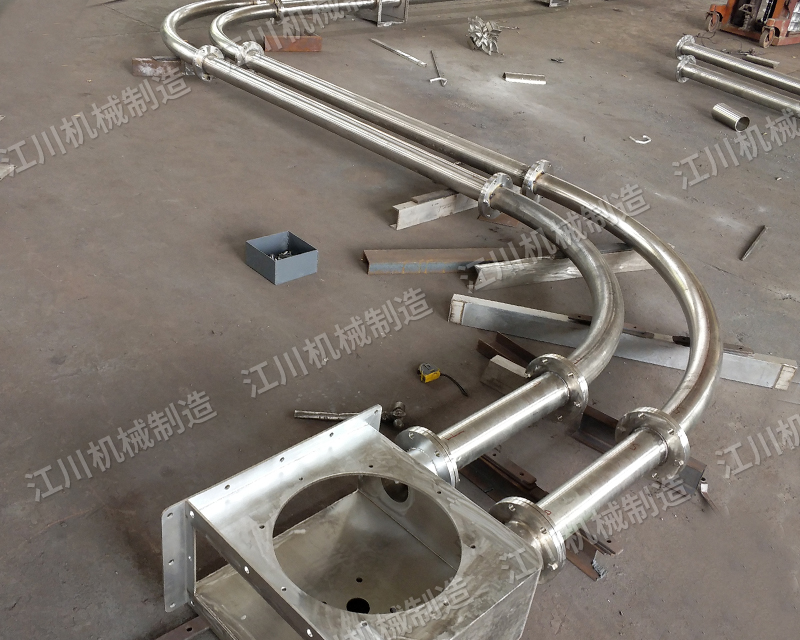
Equipment Assembly: Select an appropriate assembly area, and assemble the various components of the conveyor according to the diagrams and instructions, ensuring each part is correctly and fully installed.
Install Transmission Mechanism: Secure the driving equipment and motor to the conveyor's transmission mechanism, ensure the correct assembly of the transmission chain, install the fasteners properly, and adjust the position and tension of the driving system.
Install Enclosures and Protective Devices: As per equipment requirements, install conveyor housing and protective devices to ensure the safety of operators.
Align conveyor belts: Properly lay the conveyor belt on the conveyor's chain plates and ensure the belt is centered and tensioned appropriately.
Post-Implementation Testing and Adjustment: After completing the aforementioned steps, conduct a trial run and adjustment to ensure the equipment operates smoothly and without any anomalies. Additionally, perform load-bearing trial runs to check the equipment's normal functioning.
Maintaining Chain Conveyors
Regular Cleaning: Clean the conveyor chains, sprockets, belts, and other components according to usage, to ensure the cleanliness and proper operation of the equipment.
Lubrication and Maintenance: Perform equipment lubrication and maintenance as per the equipment's manual, promptly replenish lubricants, and ensure smooth operation.
Regular Inspections and Maintenance: Conduct periodic checks of the critical components of conveyors, such as sprockets, chains, drive mechanisms, and motors, and address any issues promptly with repairs and replacement of damaged parts.
Regularly inspect the fasteners of conveyors, such as bolts and nuts, to ensure proper tightness and prevent loosening that could lead to equipment malfunctions.
Protective Equipment: Install protective devices to prevent debris from entering the conveyor, safeguarding the equipment from damage and avoiding accidental incidents during operation.
Section 3: Common Fault Solutions
Conveyor Belt Misalignment: If a conveyor belt is misaligned, it can be addressed by adjusting the tension of the belt and inspecting for wear.
Chain Breakage: In the event of a conveyor chain failure, immediately shut down the machine for inspection, replace with a new chain, and ensure proper lubrication and maintenance of the chain.
Motor Malfunction: In the event of a motor malfunction, such as failure to start normally or abnormal operation, the machine should be immediately shut down to investigate the cause of the motor malfunction and to have a professional perform repairs.