How to Choose a Good Piano?_News Center Co., Ltd._Jinhua Wenhai Cultural and Art Co., Ltd. 
在线客服 在线客服邀请中...
关闭

您好,现在客服正邀请与您通话,请留下您的联系方式,客服将尽快与您取得联系。

 点击提交代表您同意《服务条款》《隐私政策》
Jinhua Wenhai Cultural and Art Co., Ltd. Piano Sales, Piano Repair, Piano Rental, Musical Instrument Sales, Piano Lessons, Music Instrument Lessons
Return to List

How to Choose a Good Piano?

日期:2023-08-26    浏览:23

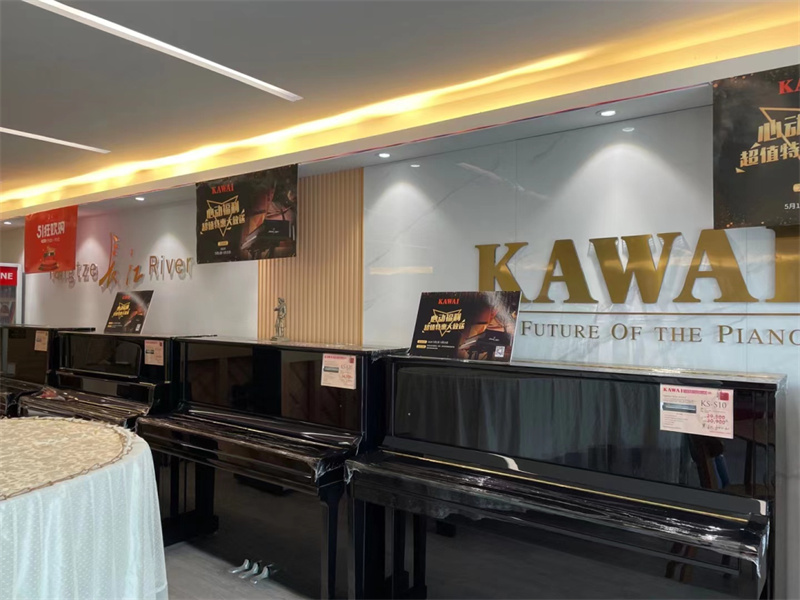
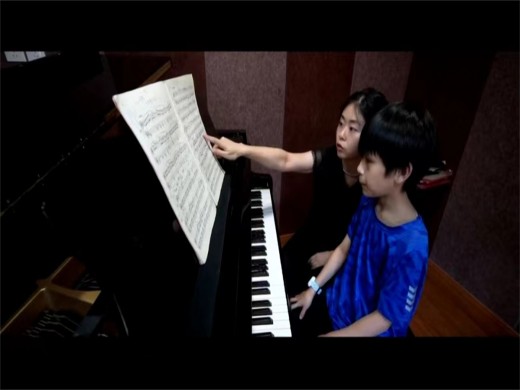
As the economy continues to thrive, an increasing number of families are focusing on nurturing their spiritual well-being. Pianos, as musical instruments, have gained the favor of many parents, who recognize the value of teaching their children to play the piano as a hobby. However, the cost of a piano is a concern for some parents and friends. They worry about the piano becoming a burden if their child loses interest, so they prefer to rent one first to let their child practice. On one hand, it meets the child's initial practice needs. On the other hand, if the child decides not to continue, they can simply return it. After a year or two of learning, the child may develop a genuine interest in playing the piano.

1655178122796547.jpg

One, the timbre of the piano

The timbre of a piano determines whether the music produced is aesthetically pleasing. A good timbre is more likely to captivate both performers and listeners. A fine piano boasts a bright and pure timbre in the treble register, without any lingering notes; a graceful and soft timbre in the middle register; and a pure and resounding timbre in the bass register, offering greater penetration.

Secondly, the feel of the piano.

The quality of a piano is often judged by the feel of the keys. It's important to test the comfort and ease of the touch, as well as the responsiveness and flexibility of the keys with varying pressures. Additionally, try playing while pressing the right pedal. A good piano maintains the same sensitivity to the keys even when the pedal is engaged.

Third, the appearance and materials of the piano.

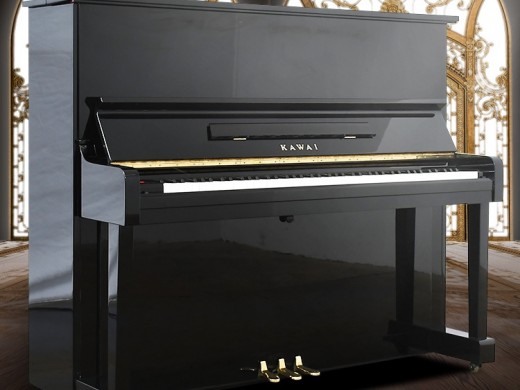
Examine the paint. The finish on the piano case should be glossy and even, but not excessively shiny. It should also possess adequate thickness and durability.

Check out the keyboard. A good piano has keys that feel tight and not loose, with each key gap being uniformly sized, appearing smooth and even.

3. The soundboard, also known as the resonance board, is a key component for tone and resonance. Observe the fineness of the soundboard lines, consistency of color, and evenness of the annual rings. Pure solid wood soundboards produce clean and transparent sound, maintaining a great tone over time.

4. Inspect the strings. Lift the lid and check for any noticeable color variations in the bare steel strings; observe the wrapped steel strings to ensure the color is consistent and the sizes are uniform. Next, examine the door and look at the "bridge pins" located at the top of all the wrapped strings and the string bridge, ensuring they are uniform in size.

Four, the price of the piano

Generally, high-quality pianos tend to be more expensive, while poor-quality pianos are significantly cheaper. Although not all expensive pianos are of high quality, it's a fact that good quality is never cheap! Here, the editor does not advocate for purchasing only high-priced pianos, but rather suggests avoiding low-end, inexpensive pianos as they often have inferior sound quality, touch response, and lifespan compared to high-end models. If financially feasible, opting for mid to high-end pianos is beneficial for piano learning.


24h Online Service

Submit your requirements for quick product recommendations

Service
Hotline
13505793068
 Click submit means you agree to《Service terms》《Privacy policy》
 Click submit means you agree to《Service terms》《Privacy policy》