


At 6 a.m., as dawn begins to break, Chongqing's streets are still cool and fresh. Waste collection trucks are weaving through residential areas, methodically transporting barrel upon barrel of household waste to transfer stations. With the city's increasing focus on refined management, more and more waste transfer stations in Chongqing are quietly undergoing renovations. Supported by Hikvision,"Waste Transfer Video Analysis System"The launch is making these urban sanitation nodes more standardized and cleaner, while also bringing tangible environmental improvements to the surrounding residents.
Garbage trucks are clean or not, the system can "see clearly."
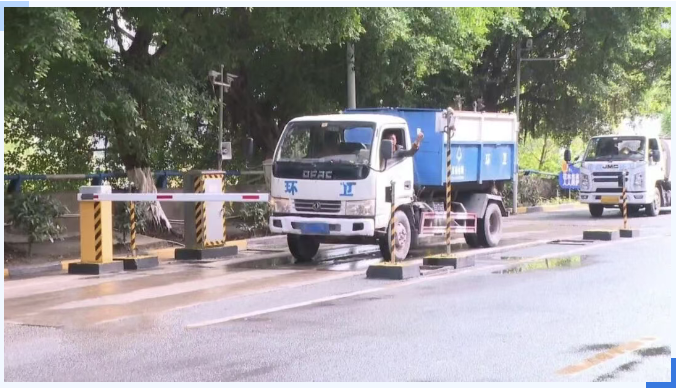
In the past, whether a sanitation transfer vehicle was clean before hitting the road relied solely on manual inspections, making it difficult to manage comprehensively. Now, things are different.Transfer station entranceIntelligent surveillance cameras can automatically identify the appearance and condition of each vehicle.,Relying on the vehicle dirt recognition algorithm, real-time monitoring of "leakage, dripping, and spilling" issues.。Upon detecting significant bodywork damage, the system will alert the management staff, prompting the responsible party to promptly clean the vehicle.
"Now, there are many more讲究 for vehicles entering and exiting," a sanitation manager with years of experience commented, "In the past, no one noticed when they were dirty, but now the system can spot it immediately, and everyone is more自觉."
This change allows waste transportation vehicles to navigate through communities without being disliked, and passersby no longer fear splashing of waste water. These subtle aspects of urban operation are gradually becoming more considerate and friendly.

Large Waste Disposal in Disarray? System Detects in Time
Leftover wood from renovations, discarded old mattresses—these bulky waste items should not be mixed with regular household trash. However, in the past, some people have taken the easy way out, sneakily tossing them into the bins. This not only increases the burden on waste collection but may also lead to damage to processing equipment.
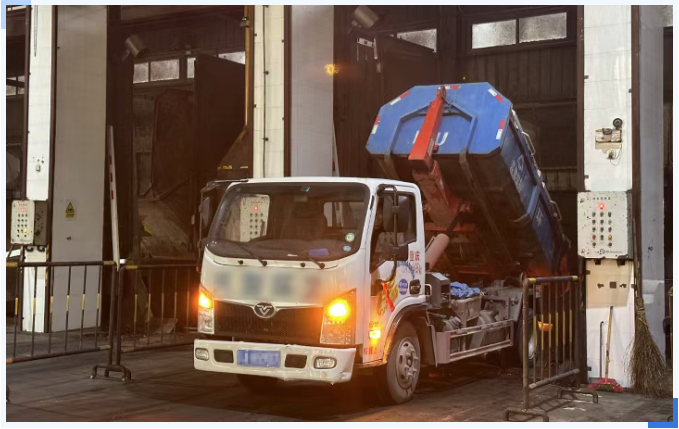
Now,Transshipment HubIntelligent systems can automatically identify abnormal items during the unloading process.Once suspicious large waste items are detected, an alert is issued, allowing staff to intervene and address the issue promptly. Since the system's launch, it has assisted in identifying and dealing with over 200 cases of illegal operations, effectively reducing the environmental pollution and equipment wear caused by improper disposal.

More accurate weighing, more standardized transportation
Weighting is a necessity in waste transportation. In the past, vehicle weighing relied on manual records, which occasionally led to situations like vehicles not fully stepping on the scales, or following vehicles being weighed sequentially, resulting in potential data discrepancies.
Now,Weighbridges integrated with intelligent recognition systemsThe vehicle must be parked securely before weight measurement can be completed. The system automatically records the data, eliminating human interference. The weight, time, and vehicle information for each shipment are clearly documented, which not only enhances work efficiency but also makes management more transparent.
What's more, every step of the operation—ranging from the vehicle's arrival and weighing to unloading—is automatically documented, creating a complete electronic record. With over 8,000 transfers each month, every transaction leaves a trace. This not only streamlines management but also enhances collaboration between waste management companies, making it clearer and more efficient.

One-screen overview, intelligent scheduling for greater efficiency
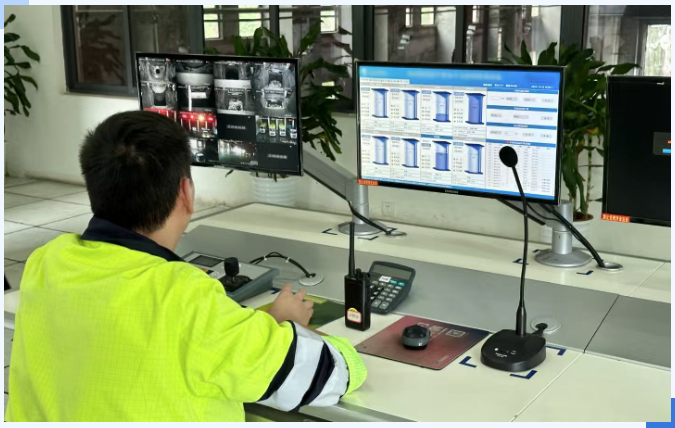
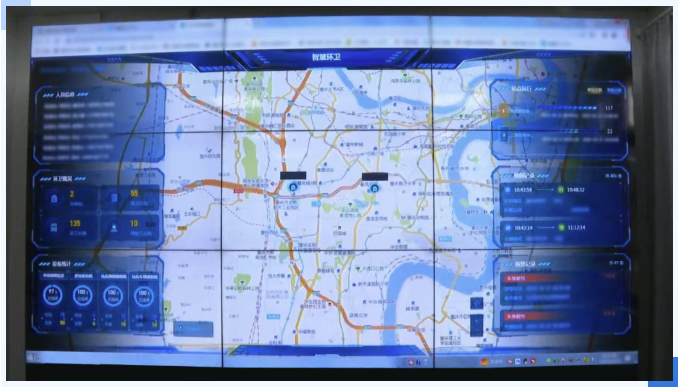
At the district-level environmental sanitation administration department, staff openedWaste Disposal Video Analysis SystemOn the large screen, you can see the real-time status of various transfer stations within the jurisdiction: how many vehicle trips have entered and exited today, any abnormal alerts, which stations are busy...The data is clear at a glance, allowing for more timely scheduling and faster response to issues.
This "visible" management approach transforms urban sanitation work from "after-the-fact remediation" to proactive detection and timely resolution, addressing issues before residents notice them.

The waste transfer station is not large, yet it plays a crucial role in the city's operations. It connects the daily lives of thousands of households and also influences the street scenes and the air we breathe each day when we step outside.
Now, these sites are quietly becoming smarter and cleaner. Through intelligent means, waste management operations are being standardized, streets are becoming cleaner, and residents' lives are becoming more comfortable.
In the alleyways of Chongqing, such "small changes" are becoming increasingly common, weaving a more livable urban life, bit by bit.