


Reasons for and Solutions to the Breakage on Both Sides of a Material Testing Machine
The material testing machine is composed of a loading system, a transmission system, a digital data acquisition and processing system, and a computer-based measurement control and display system, suitable for testing the static mechanical properties of various components such as drive shafts and half-shafts, as well as for screw torsional mechanical property tests. It is mainly divided into two categories: digital display and microcomputer control, both powered by servo motors and capable of performing tension, compression, and bending tests. It can measure various parameters including the elongation at break, tensile strength, compressive strength, bending strength, elastic modulus, stress, and strain of the material.
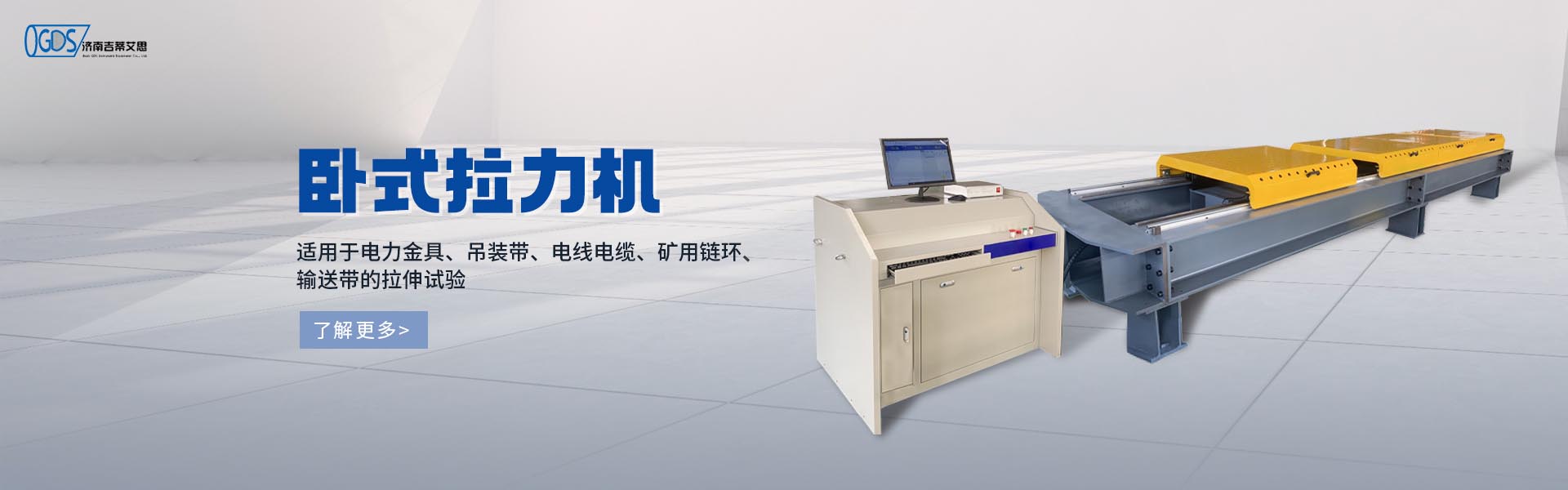
The machine features a horizontal structure, with a computer screen display, a digital data collection control system, and a full digital AC servo system forming a closed-loop control. It is powered by a precision reducer, offering features such as even loading, stability, no shock phenomena, and accurate data collection control.
As a high-precision testing equipment, it's common to encounter issues during the operation of a material testing machine. As users, if you encounter a malfunction, it's important to take timely measures and identify the cause of the failure to resolve it. Next, let's discuss what it means when a testing machine frequently experiences issues with both sides breaking during operation. Generally, the first consideration for the cause of this fault should be whether the cast iron part is installed vertically. If it is, you can follow the following methods to eliminate the issue.
Check to see if the chuck is not properly aligned during clamping. At this point, simply align the chuck symmetrically according to the requirements to securely hold the specimen.
2. Due to poor quality of the clamping jaws, tooth damage has occurred, which affects the non-alignment of the jaws. In addition, during the testing process, the specimen slipped, making it difficult to determine the yield point. Replacing the clamping jaws will resolve this issue.
3. In the event of incorrect adjustment of the lifting guide wheel, it results in misalignment of the upper clamp jaws. At this point, staff should fabricate a test rod. When the upper and lower clamp jaws are tightened, use the two force posts as a standard, and then measure using a micrometer. Continuously adjust until the test passes.
