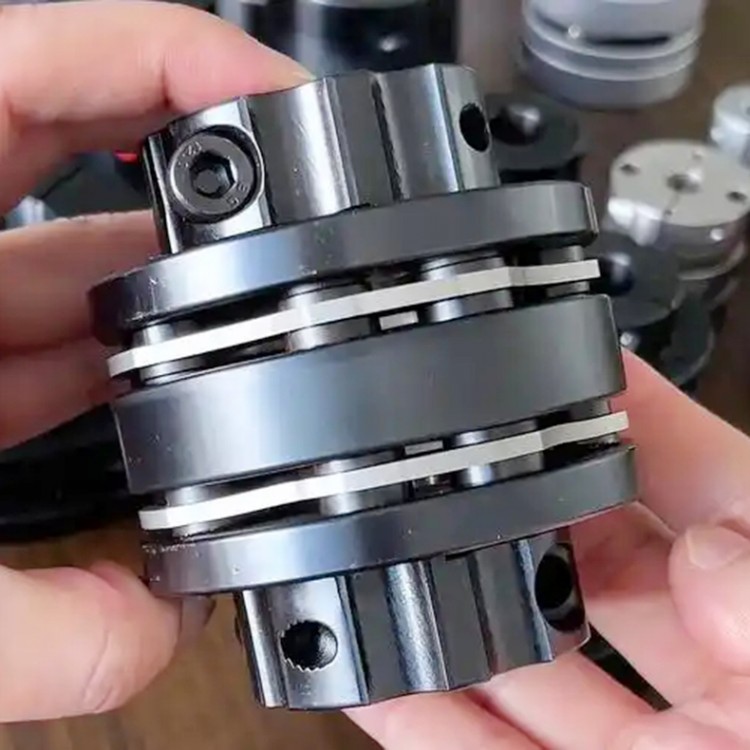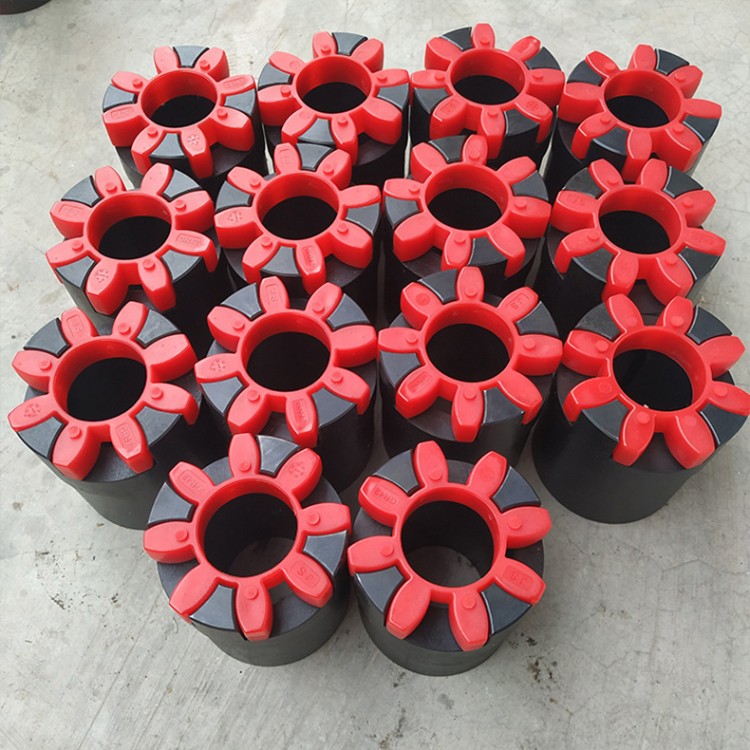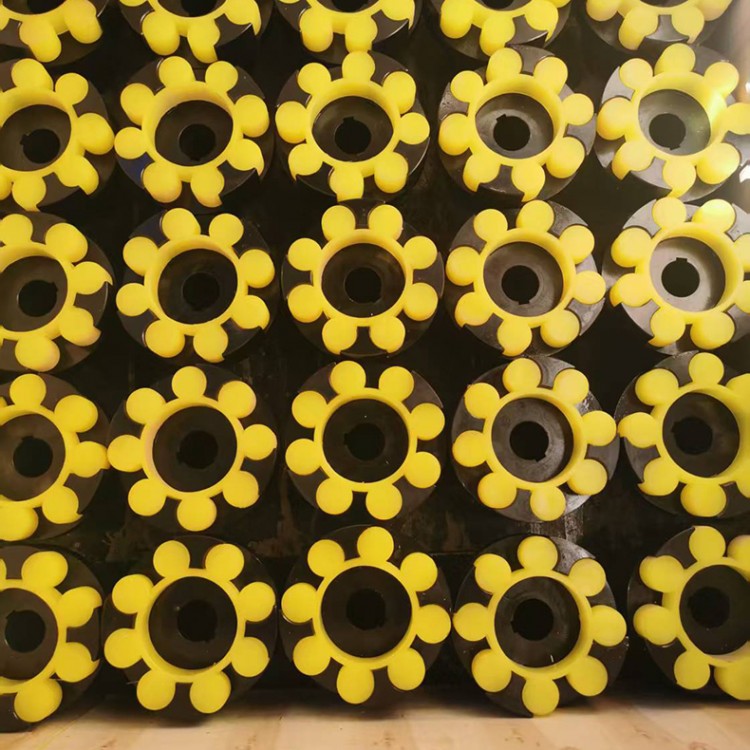
Cranes accessories, mechanical parts, metal stamping mold...

The internal and external teeth of the spline shaft assembly are meshing improperly and causing tooth striking due to either the material not being treated with high-frequency dipping fire, or the significant size tolerance error between the internal and external teeth, leading to tooth striking at high rotational speeds. Another situation is that the external teeth of the spline shaft assembly have a larger arc, and during the torque transmission between the two shafts, they exhibit a characteristic of not being on the same horizontal line. The curvature radius of the bulge curve is proportional to the single-side thinning amount of the internal teeth, meaning it is related to the tooth meshing gap, which can cause tooth striking between the inner and outer teeth, affecting the service life of the spline shaft assembly.
Gear couplings may also experience bolt breakage, excessive noise, and tooth clashing during transmission. If such occurrences arise, the coupling should be immediately disassembled for analysis and inspection. Regular maintenance and checks, including lubrication with grease and bolt replacement, can extend the coupling's lifespan. The internal and external teeth of gear couplings may wear over time due to prolonged use, leading to tooth clashing and affecting the coupling's longevity. Focusing on the research and analysis of the causes of tooth clashing is crucial. The reason for tooth clashing lies in the coupling's lack of hardness and the lack of tempering and quenching on the gear surface, which reduces the coupling's lifespan. Another cause is the increased axial displacement during coupling installation, leading to incomplete tooth engagement between the inner and outer teeth. This, combined with long-term use at high speeds and torques, can result in this phenomenon.
The damping performance of the gear coupling can be achieved by dissipating energy within the rigid components, thereby eliminating and reducing the mutual impact force between the teeth during vibration, and extending the overall service life of the coupling. In the event of overload, the safety pin is sheared, stopping torque transmission. At this point, the axial movement under the pressure of the outer and inner teeth actuates the switch, cutting off the motor power. It is more reasonable to use this type of coupling in transmission systems with severe operating irregularities and inaccurate assembly, yet rarely experiencing overload.


www.114global.com © Zhongshang 114 Hebei Network Technology Co., Ltd.Address: Room 6009, Oriental New World Center, No.118 East Zhongshan Road, Qiaoxi District, Shijiazhuang City, Hebei ProvincePlatform Service Hotline: 4006299930