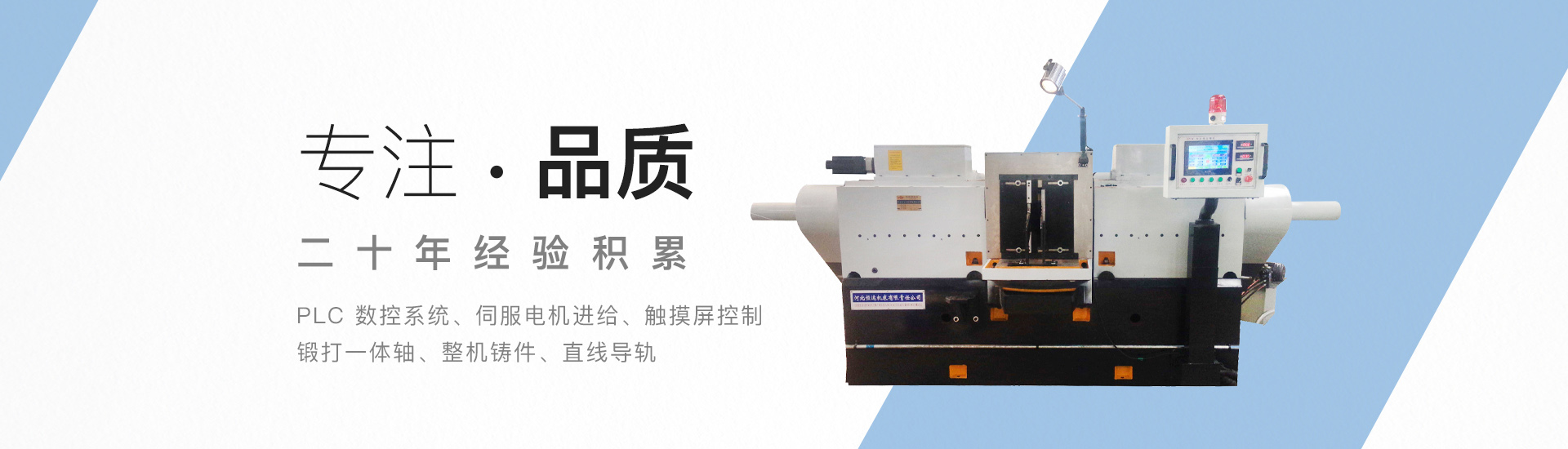

Several forms of the double-sided grinder processing methods include dry grinding: during the grinding process, only a small amount of lubricating additive is applied to the surface of the grinding tool. The abrasive particles are mainly fixed on the grinding tool during the grinding process, and their abrasive action is mainly sliding grinding. This method has a low production efficiency, but it can achieve a high degree of processing precision and a smaller surface roughness value (Ra 0.02-0.01μm). Wet grinding: The abrasive is applied to the grinding tool during the grinding process, using dispersed abrasive particles for grinding. Besides the abrasive particles, the abrasive contains kerosene, machine oil, oleic acid, stearic acid, and other substances.
During the grinding process, some abrasive particles exist between the grinding tool and the workpiece, as shown in Figure 8-12b. At this point, the abrasive particles primarily undergo rolling grinding, resulting in high production rates and a surface roughness of Ra0.04 to 0.02 μm. They are generally used for rough machining, but the finished surface usually lacks luster. In soft abrasive grinding, a grinding agent coated with chrome oxide abrasive is applied to the working surface of the grinding tool. Since the abrasive is softer than the grinding tool and workpiece, the abrasive particles float between them during the grinding process. The primary mechanism is the chemical reaction between the grinding agent and the workpiece surface, producing a very thin layer of oxide film. The film at the protruding points is easily removed by the abrasive.