
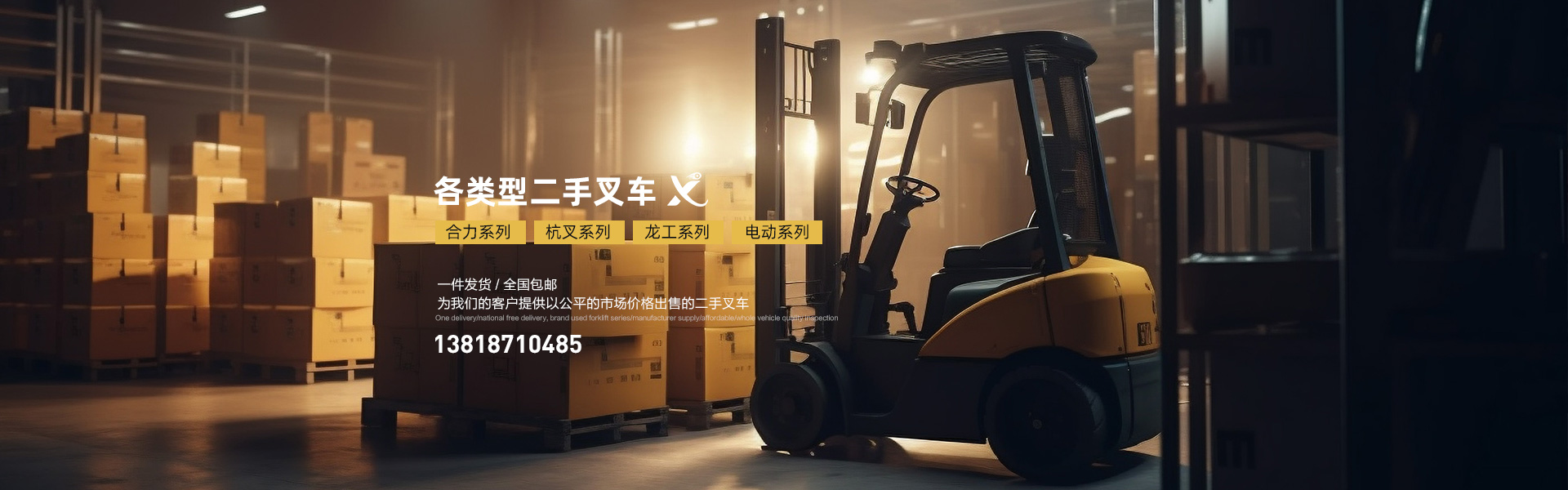

Used Forklift Inspection: Market Trends and Value Assessment Guide
Understanding market trends and value assessment is crucial during used forklift inspections. By delving into the current market conditions and conducting a reasonable evaluation of forklift value, you can make more informed purchasing decisions. This article will provide a detailed guide on market trends and value assessment.

Market Trend Research
Before evaluating the value of used forklifts, it's crucial to understand the market situation. Stay updated on the forklift industry, keeping an eye on market trends and shifts in demand. Research the price ranges of different brands, models, and years of forklifts on the market to get a general expectation of the vehicle's value. Additionally, be aware of relevant policies, regulations, and market supervision, as these factors may also impact the value of forklifts and market demand.
Model Number and Year of Forklifts
The model and manufacturing year of forklifts greatly impact their value. Generally, newer models offer higher performance and longer lifespans, thus commanding a higher value. Additionally, considering technological advancements and parts availability, certain older models may hold unique value in the market. Therefore, when assessing the value of used forklifts, it is crucial to consider both the model and the year of manufacture.
Section 3: Vehicle Condition and Performance
The condition and performance of forklifts are decisive factors in assessing their value. Through detailed inspections, we understand the status of the forklift's appearance, engine, hydraulic system, and operational performance. If the forklift has been properly maintained and functions well, its value will naturally be higher. Conversely, if there is significant wear or malfunctions, the forklift's value will be significantly diminished.
Part Four: Accessories and Modifications
If a used forklift comes with OEM parts or has been modified, its value may correspondingly increase. These parts and modifications may include special tools, additional features, or customized exterior and interior design. Be aware of these parts and modifications and give them due consideration when assessing value.
V. Market Demand and Supply
The demand and supply of used forklifts in the market also affect their value. If there is high demand for a specific model or year of forklift, its value may correspondingly increase. Conversely, if there is an oversupply of that model or year of forklift, its value may be lower. Therefore, when assessing the value of a used forklift, consider the market's supply and demand situation.
VI. Professional Evaluation and Recommendations
When conducting used forklift inspections and value assessments, it's recommended to seek the assistance of professionals. Forklift assessors or mechanics possess extensive knowledge and experience, enabling them to accurately evaluate the condition and value of forklifts. They can provide professional advice and opinions based on market trends, vehicle performance, parts condition, and other factors.
In summary, understanding market trends and conducting a reasonable value assessment are crucial steps in the inspection of used forklifts. By delving into market dynamics, considering forklift models and years, meticulously inspecting vehicle conditions, understanding parts and modifications, analyzing market demand and supply, and seeking professional evaluations and advice, you will be able to more accurately assess the value of a used forklift and make informed purchasing decisions.
