
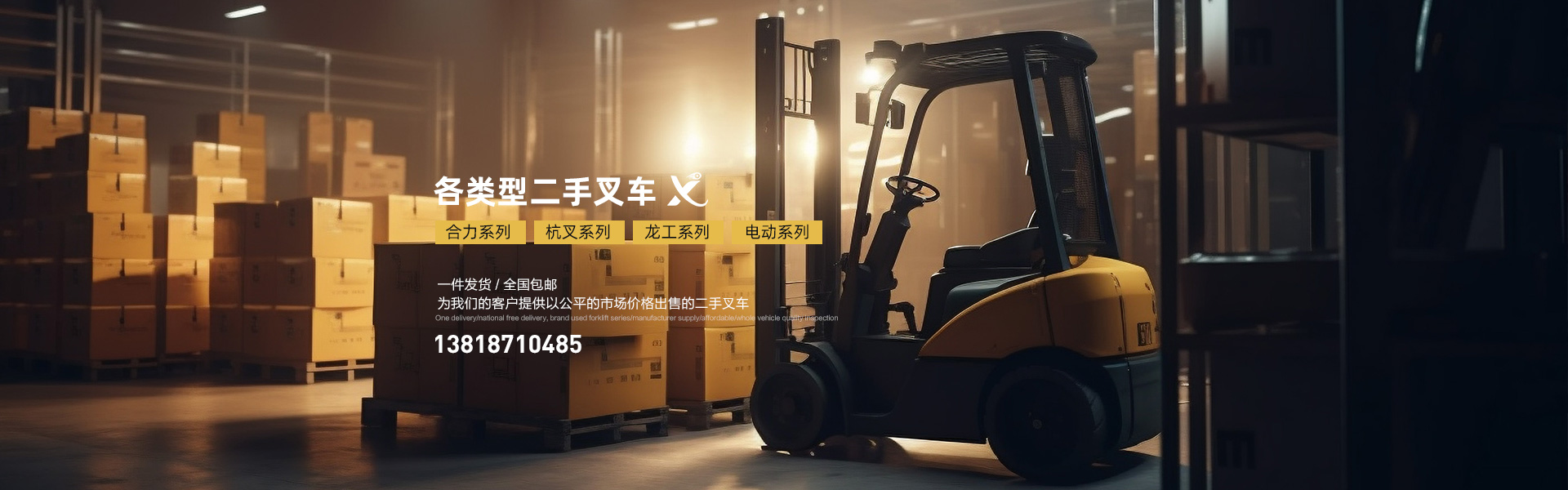
Electric Forklifts vs. Internal Combustion Forklifts: How to Choose
In the logistics and warehousing industry, forklifts are an indispensable handling tool. With technological advancements, electric forklifts and internal combustion forklifts have become the mainstream choices in the market. Both types of forklifts have their own pros and cons, and selecting the appropriate type is crucial for improving work efficiency and reducing operational costs. This article will compare the features of electric and internal combustion forklifts in detail to help you make a choice.
Electric Forklifts
High Energy Efficiency: Electric forklifts operate on electric power, boasting high efficiency and low energy consumption. Compared to internal combustion forklifts, electric forklifts are more cost-effective in terms of energy costs.
Environmental Protection: Electric forklifts emit no exhaust gases, making them eco-friendly. For events that prioritize environmental protection, choosing electric forklifts aligns more with sustainable development requirements.
Excellent operational performance: Electric forklifts typically offer smoother driving and operation, resulting in increased driver comfort.
Low maintenance costs: The structure of electric forklifts is relatively simple, resulting in lower maintenance expenses. Additionally, the parts of electric forklifts have a longer lifespan.
Limitations: The driving range of electric forklifts is limited by battery life, which may necessitate frequent charging. Additionally, electric forklifts may have lower load capacity and climbing ability compared to internal combustion forklifts.
Internal Combustion Forklifts
High Load Capacity: Internal combustion forklifts, powered by fuel, offer superior load and gradeability capabilities. They are particularly advantageous for situations requiring the transport of heavy loads.
Long operating range: Internal combustion forklifts have a strong endurance, allowing them to travel greater distances without the need for refueling.
Wide Range of Application: Internal combustion forklifts are suitable for various harsh environments, such as cold, humid, or high-temperature conditions. In these environments, electric forklifts may not operate properly.
High Maintenance Costs: Internal combustion forklifts have a relatively complex structure, resulting in higher maintenance costs. Additionally, the lifespan of their components is relatively shorter.
Environmental Concerns: Internal combustion forklifts emit exhaust gases, which can have an impact on the environment. In areas or events with high environmental standards, exhaust treatment may be required or alternative power sources should be used.
How to Choose
When choosing an electric forklift versus an internal combustion forklift, consider the following factors:
Job Requirements: Evaluate the forklift's load capacity, travel distance, and working environment needs. For heavy cargo or situations requiring frequent travel, internal combustion forklifts may be more suitable; whereas, for high environmental standards and limited space, electric forklifts offer greater advantages.
Energy Consumption Costs: Compare the energy consumption and costs of electric forklifts versus internal combustion forklifts, including energy and maintenance costs. If energy costs are high or reliable electricity supply is difficult to obtain, internal combustion forklifts may be more economical.
Site Conditions: Consider the size, layout, and terrain of the site. Electric forklifts are more suitable for areas with limited space and flat terrain; whereas internal combustion forklifts are better suited for large, uneven sites.
Environmental Requirements: Evaluate the environmental requirements of the area or event. For locations requiring strict environmental standards, electric forklifts are a better choice.
Budget: Considering factors such as purchase cost, maintenance cost, and energy consumption, select the forklift type that fits within the budget range.
In summary, the choice between an electric forklift and an internal combustion forklift should be made by considering actual needs and working environments. Different situations and work requirements call for different types of forklifts. The right choice can reduce operating costs, enhance work efficiency, and ensure safe and reliable performance.