




WoodworkingSawmillsThe working principle of the machine involves a series of mechanical components and an electric drive to cut wood. The basic working principle of the woodworking bandsaw is as follows:
Motor Drive: Woodworking bandsaws are typically powered by an electric motor, which transmits power to the saw wheel via a drive mechanism (such as a belt, gear, or chain).
Saw Wheels and Band Saws: Woodworking band saws are equipped with two saw wheels, located at both ends of the machine. A circular band saw blade (also known as a saw belt) is tensioned between the two saw wheels, forming a continuous cutting surface. The band saw blade is typically made of high-speed steel or other materials suitable for wood cutting.
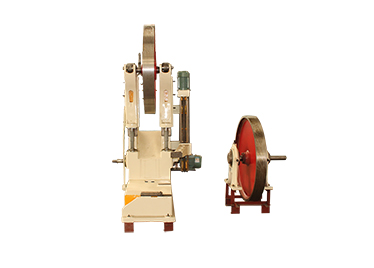
Cutting Operation: Upon the motor's activation, it powers the saw blade to rotate. As the bandsaw blade is tensioned between the two saw wheels, it continuously moves with their rotation. During the cutting process, wood is placed on the worktable below the bandsaw blade and secured in the proper position. As the bandsaw blade moves, its sharp teeth engage with the wood, cutting it into the required shape and size.
Control Systems: Woodworking bandsaws typically come equipped with control systems that allow for the adjustment of cutting speed, cutting depth, and the feed rate of the wood. These control systems can be manually operated or programmed for automated control via computer.
Safety: To ensure the safety of operators, woodworking band saws are typically equipped with safety devices such as guards and emergency stop buttons. These devices can immediately halt the machine's operation in emergencies, reducing the occurrence of accidents.
In summary, woodworking bandsaws operate by using an electric motor to drive the movement of the saw wheels and bandsaw blades, thereby cutting wood. During operation, operators must adjust the machine's parameters and settings based on the wood's characteristics and the required cutting shape to ensure quality and efficiency of the cuts.
