
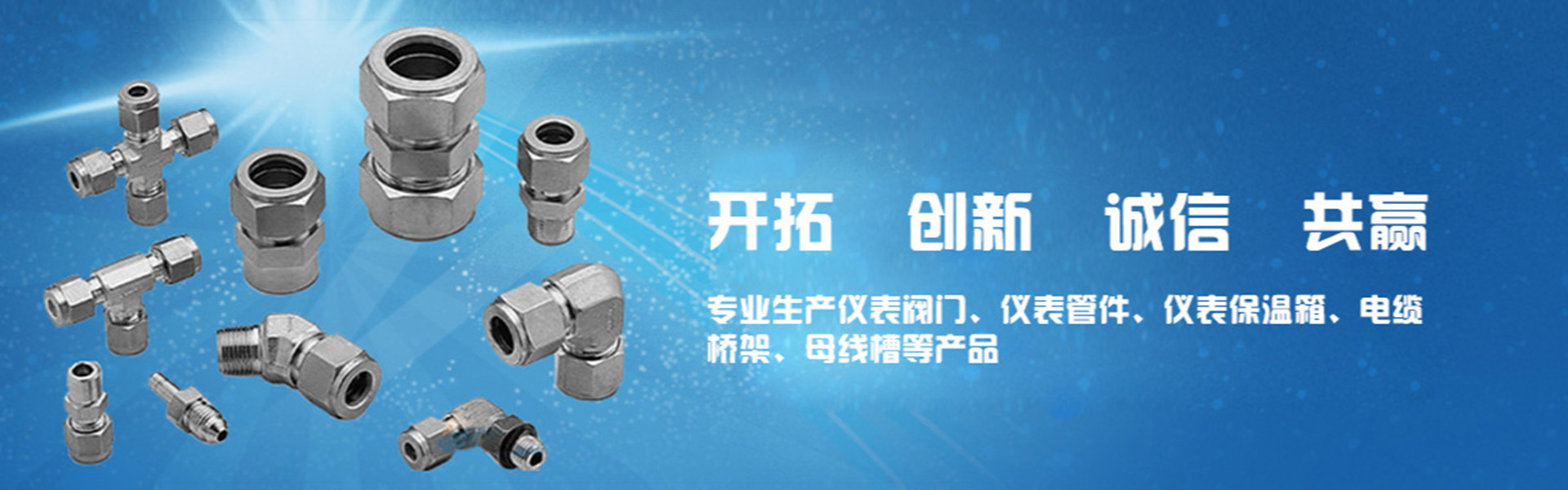


Instrument panel joint materials are diverse, with plastics differing from traditional materials in their rapid pace of technological advancement. The continuous emergence of new technologies, materials, and processes highlights the increasing advantages of plastic pipes over traditional materials. Compared to traditional metal and concrete pipes, plastic pipes are lighter, generally only 1/6 to 1/10 the weight, and exhibit better corrosion resistance, impact and tensile strength. The inner surface of plastic pipes is much smoother than cast iron pipes, with a lower friction coefficient and fluid resistance, reducing water conveyance energy consumption by over 5%. They offer comprehensive energy savings, with manufacturing energy consumption reduced by 75%, ease of transportation, simple installation, and a lifespan of 30-50 years. Polyethylene pipes have seen rapid development worldwide in the past decade, with developed countries already leading in water supply and gas sectors with their use. Polyethylene pipes not only replace traditional steel and cast iron pipes in large quantities but also PVC pipes, primarily due to the technological advancements in polyethylene pipes over the past decade. On one hand, there has been significant material progress; through improvements in the polyethylene polymerization process, the strength of polyethylene pipe materials has nearly doubled.
Content sourced from the internet, for sharing and exchange purposes only, not for commercial use. Copyright belongs to the original authors and their sources. If there is any infringement, please contact for deletion.
