



 通过中商114认证

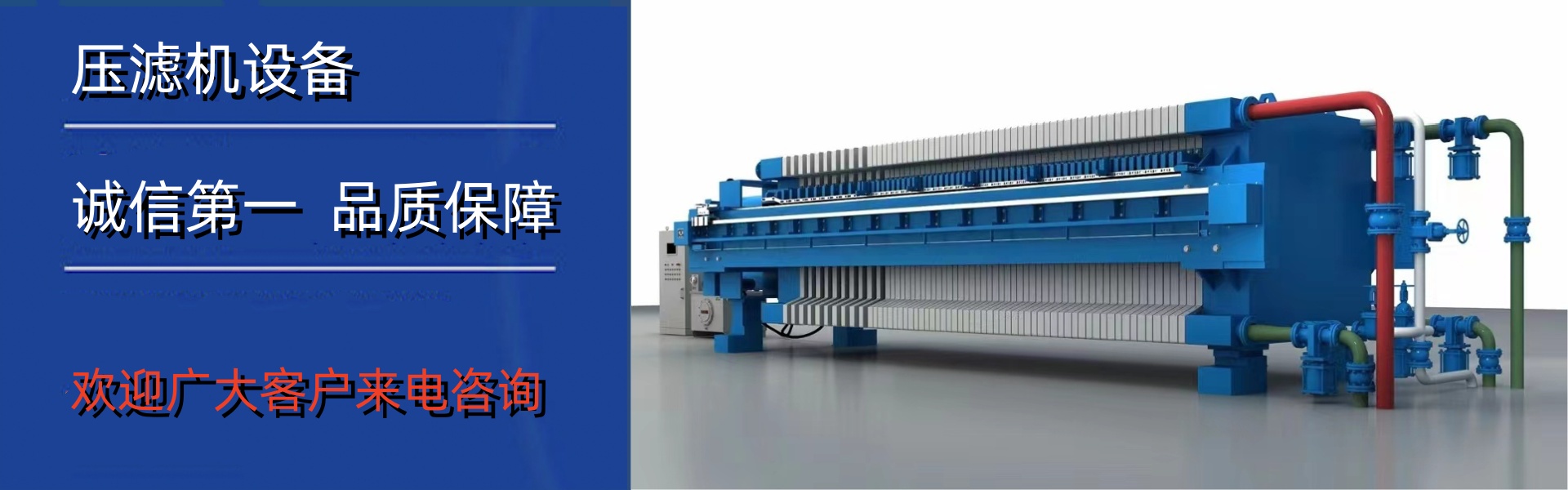
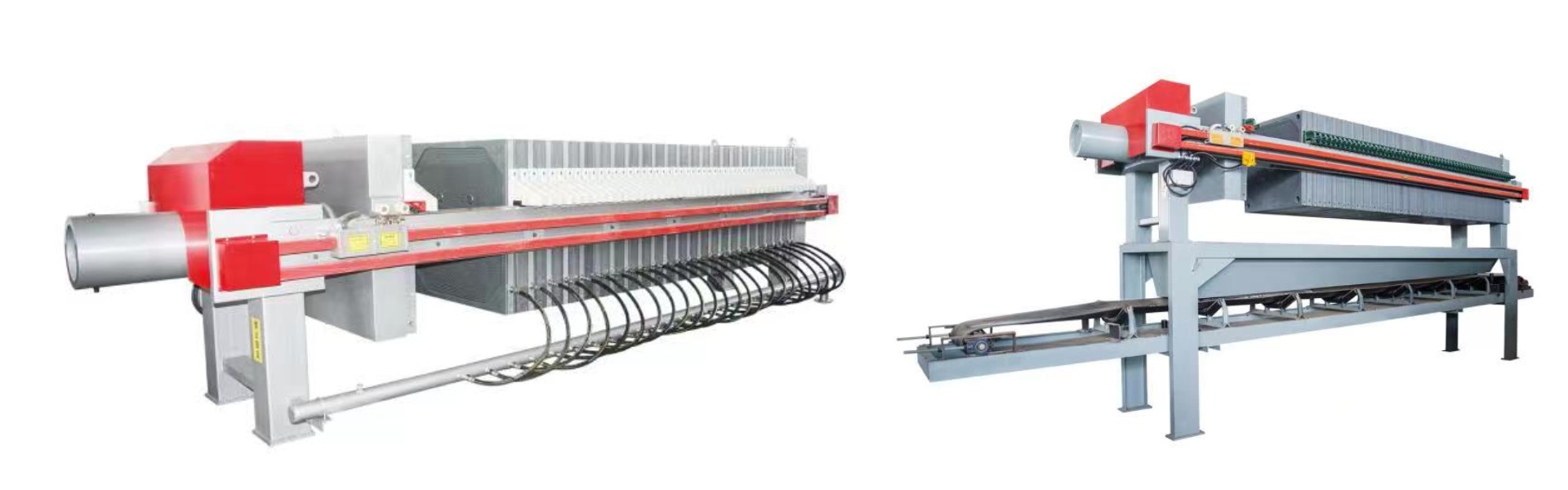
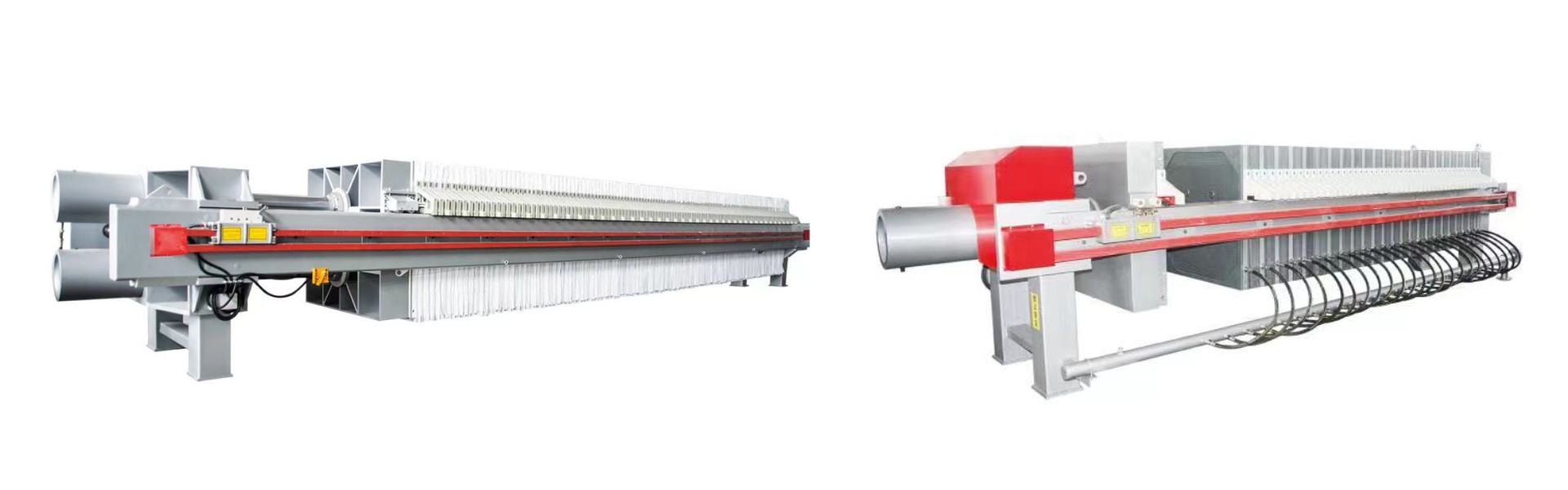
A belt press filter is a common sludge treatment equipment, classified as a pressure filtration device. It mixes the sedimented and concentrated material with flocculants in a static mixer to form flocs and separate free water. Under the compression and shearing actions between the upper and lower belt screens, the free water and capillary water within the flocs are released, forming a dense filter cake, thereby achieving solid-liquid separation.
But improper use can easily lead to clogging. How can one effectively and correctly use a belt press filter to prevent clogging?
1. Properly selecting filter cloth requires considering both the clarity of the filtrate and the filtration efficiency. The filter cloth must be cleaned after each operation to ensure no residue remains on the surface. If the cloth becomes hard, it should be softened, and any damage should be repaired or replaced promptly.
2. Inspect the sealing surface of the filter plate and remove any residue to prevent leakage of slurry or liquid during operation. Be mindful to protect the sealing surface from collisions, and ideally, store it upright to minimize deformation.
3. In case of any malfunction in electrical control systems, first disconnect the power supply, shut down for repair or replacement of components. Regularly conduct insulation performance tests on electrical equipment.
4. After one month of installing and using the new machinery, the oil should be changed and the oil tank cleaned. After six months, the oil tank should be cleaned once, and the hydraulic oil inside the tank should be replaced. The hydraulic oil must meet the specified requirements, with the oil level slightly above the center of the level line.
5. In case of hydraulic cylinder failure or leakage (including oil pipe joints), refer to the hydraulic cylinder diagram, disassemble and replace the O-ring and assembly washer.
6. The temperature of the filtered liquid should be below the rated temperature, typically <100°C. The liquid should not contain any debris or hard particles that could clog the feed inlet, to prevent damage to the filter cloth.
7. Please open and close valves for liquid, wash water, etc. according to the operating procedures; do not mix them.
8. After work, remaining material in the pipeline should be discharged promptly and as much as possible.
9. Maintain cleanliness of the machinery and its surrounding environment. Promptly remove any remaining filtrate and filter cake from the machinery. Regularly apply lubricating oil to the piston rod.
