


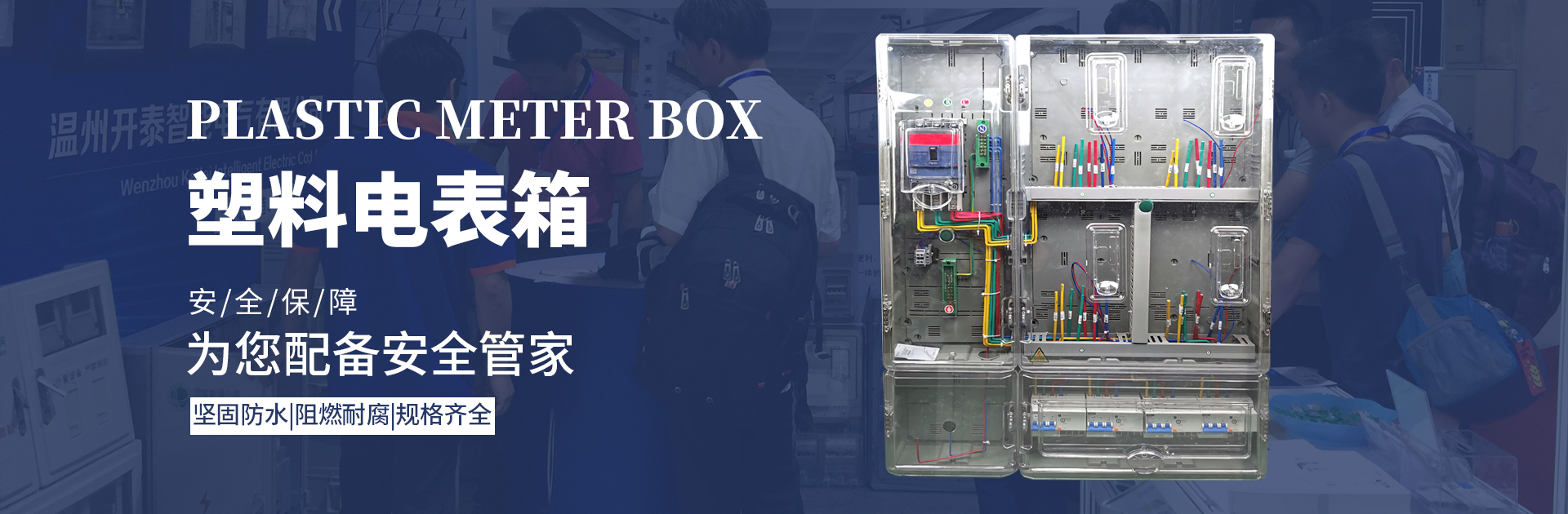

Plastic instrument boxes are an essential component of electrical equipment, primarily used for assembling, distributing, and controlling electrical circuits. On the market, there are numerous brands of plastic instrument boxes, varying in materials, quality, and prices. So how do you choose a high-quality plastic instrument box? Here are some suggestions:
One: Select high-quality materials
High-quality plastic instrument box materials should possess advantages such as resistance to acidic and alkaline corrosion, excellent weather resistance, aging resistance, and fire resistance. Common materials include polycarbonate, wear-resistant nylon, and glass fiber reinforced nylon, with polycarbonate and wear-resistant nylon being most commonly used. Polycarbonate boasts excellent mechanical properties and good flame-retardant performance, while wear-resistant nylon offers high strength and good wear resistance, widely used in power distribution systems.
Opt for electric meter boxes with excellent structural design
High-quality instrument boxes should undergo structural design and optimization for ease of transportation, installation, and maintenance. The casing should feature a sturdy shell, complete sealing, and robust fixing facilities to prevent malfunctions caused by long-term use. Additionally, the internal structure of the instrument box should comply with national regulations to ensure that cable layout and the installation of electrical equipment meet standards, and that equipment can be easily maintained and replaced.
Consider utilizing
When selecting instrument cabinets, we must also consider practical usage requirements, such as dust and waterproof performance, suitability for outdoor and harsh weather conditions, as well as good isolation and explosion-proof features. Moreover, if the cabinet needs to be integrated into a fixed wall or floor, an embedded instrument cabinet should be chosen for ease of use and maintenance. Desk-top instrument cabinets are suitable for multiple disassemblies and adjustments in narrow spaces like workshops and laboratories.
Choose products from authorized manufacturers.
When selecting instrument cabinets, prioritize products from authorized manufacturers to ensure quality and after-sales service. Authorized manufacturers typically have comprehensive quality inspection and after-sales service systems, which not only standardize the products but also enhance the after-sales service. Instrument cabinets produced by some small manufacturers often cannot guarantee quality, are prone to malfunctions, and may lack after-sales support, resulting in unnecessary losses for users.
In summary, when selecting a plastic instrument case, one should consider factors such as materials, structural design, usage requirements, and the manufacturer to ensure the purchased product is of high quality. I hope this article provides some valuable references for consumers choosing instrument cases.
