

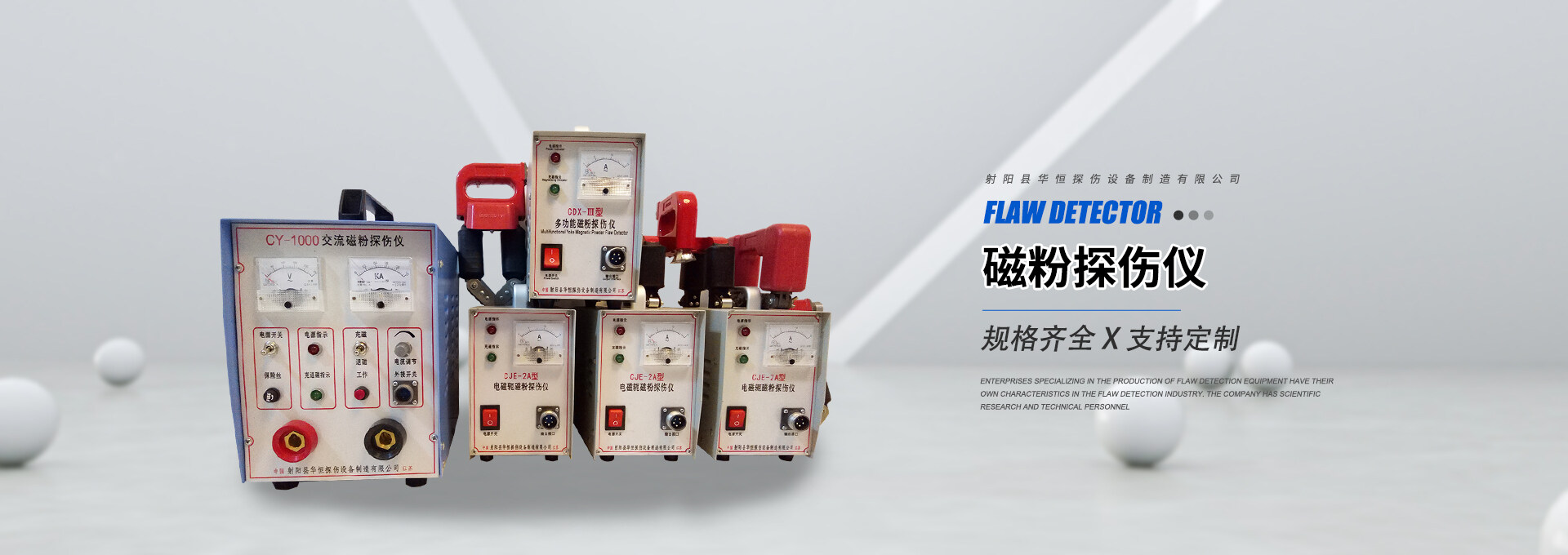
Magnetic Particle Inspection MachineWhat types of defects can it detect?
Magnetic PowderInspection MachineA commonly used non-destructive testing equipment, it detects magnetic defects on the surface and near the surface of materials. Magnetic particle inspection machines utilize the magnetic properties of materials by spreading magnetic particles on the surface of the object being inspected and applying a magnetic field, which causes the magnetic particles to accumulate at the defects, allowing for the visualization of defects that cannot be observed directly.
Magnetic particle inspection machines are primarily used for detecting surface and sub-surface defects in metallic materials, featuring ease of use, speed, sensitivity, and cost-effectiveness. They are commonly employed in non-destructive testing of materials in industries such as aerospace, automotive manufacturing, electrical equipment, railway transportation, metallurgy, and petrochemicals.
Magnetic particle inspection machines are primarily capable of detecting the following types of defects:
Surface Cracks: Magnetic particle inspection machines can detect surface crack defects in metal materials, such as fatigue cracks, stress corrosion cracks, and cold cracks. These machines utilize magnetic particles applied to the material surface and the effect of a magnetic field. When the particles accumulate at the crack location, they form distinct magnetic particle lines, thereby visually indicating the defects.
Magnetic Particle Inspection for Weld Defects: Magnetic particle inspection machines can detect defects in metal welding joints, such as cracks, holes, and slag. These machines apply a magnetic field to the welding joint, and when the field is disrupted by defects, magnetic particles accumulate at the defect site, allowing for accurate detection of welding defects.
Surface Pores: Magnetic particle inspection machines can detect surface defects in metallic materials, such as blow holes and inclusions. By using magnetic particles scattered on the material surface, the location and size of the pores can be directly observed when the particles accumulate at these areas, allowing for assessment of their impact on material properties.
Imbalanced Magnetic Distribution in Magnetic Materials: Magnetic particle inspection machines can detect defects in the imbalanced magnetic distribution of magnetic materials, such as latent magnetic field defects and residual magnetic field defects. By applying a magnetic field and observing the distribution of magnetic powder on the material surface, defects caused by imbalanced magnetic distribution can be identified.
In summary, magnetic particle inspection machines can detect magnetic defects on and near the surface of metallic materials, including surface cracks, welding defects, surface holes, uneven magnetic distribution in magnetic materials, and defects in products containing magnetic materials. These defects significantly impact the performance and safety of materials. Through the detection of magnetic particle inspection machines, these defects can be identified and addressed promptly, ensuring the quality and safety of the materials.