

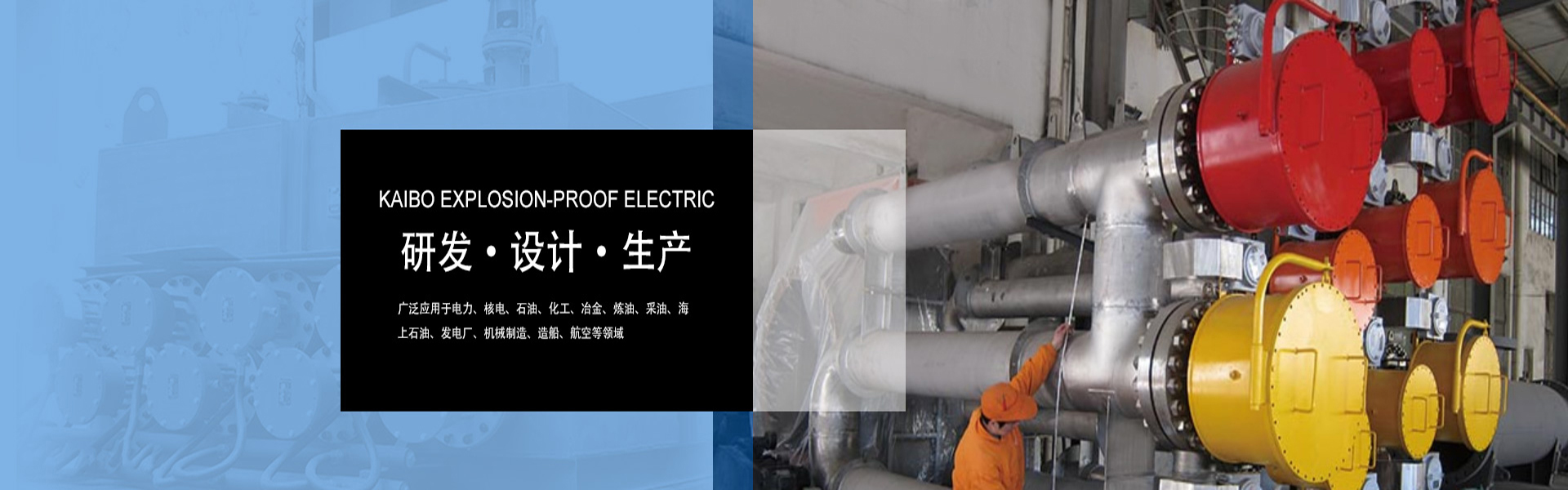

For the presentThermal Conductive Oil Electric HeaterThe use of electric heating, as many of you are already aware, doesn't require an introduction from me. Firstly, electric heating boasts features such as low pressure, high temperature, safety, and energy efficiency, along with comprehensive operation control and safety monitoring systems. It allows for precise control of the work process, with explosion-proof ratings reaching up to C-class, which is a widely known fact within the industry. Secondly, the occurrence of unexpected incidents with electric heating has significantly decreased compared to a few years ago. However, recently, some friends have asked me...Electric HeaterHow to choose paint, and what standards to look for when querying? The following editor will share some insights with you.
Thermal Conductive Oil Electric HeaterPaint selection should comply with the following principles:
The performance of the paint should be compatible with the usage environment of the coated object.
(2) The selection of coatings should be compatible with the operating conditions.
(3) The adhesion properties of the paint should be compatible with the material of the coated surface. Each layer of paint (base coat, intermediate coat, top coat) should be properly matched.
(4) The selected paint must be safe, reliable, and cost-effective.
(5) Construction conditions met.
(6) The selection of coatings should comply with the relevant regulations of national environmental protection and safety laws.
Key Performance Requirements of Paint
The undercoat applied to the steel surface meets the current national standard (GB/T1720 - "Determination of Film Adhesion"), with the undercoat having an adhesion rating of I; the intermediate and topcoats have adhesion ratings of no less than II.
Corrosion-resistant coatings should be tested in accordance with the standards GB3186 (Sampling of Paint Products), GB1733 (Method for Determining Water Resistance of Paint Films), GB1768 (Method for Determining Wear Resistance of Paint Films), and GB/T1720 (Method for Determining Adhesion of Paint Films).
Suppliers of coatings should provide testing data for their products' adhesion, chemical stability, heat resistance, water resistance of the film, and resistance to aging, all of which should be from a national paint testing center.
The design life of the anti-corrosion coating for overhead pipelines should match the maintenance period of the equipment, and the design life should not be less than 5 years.
Equipment for mechanical and static equipment, as well as complete sets of supplies, manufacturers should apply anti-corrosion paint according to design requirements. Prior to painting, manufacturers shall submit the painting standards and procedures for the buyer's review and approval.
Lead, zinc, sulfur, and chloride-containing paints or markers must not be used on stainless steel equipment and piping.
