

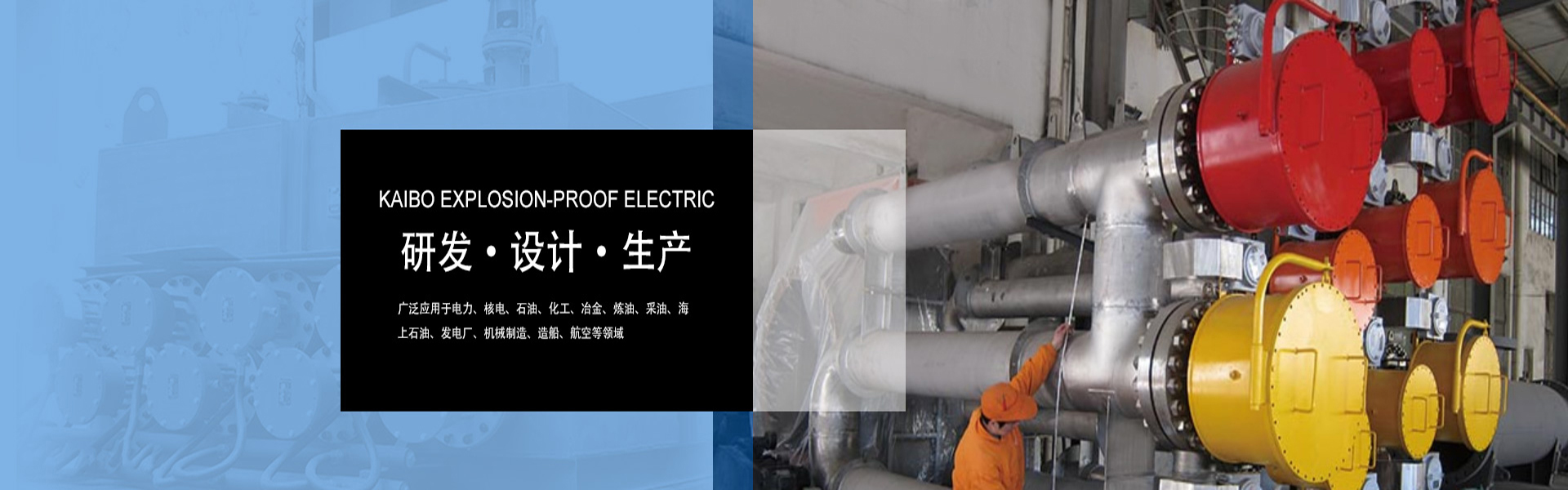

There are many types of electric heaters, and I'm sure those of you who have been following our website know that electric heaters can be categorized into explosion-proof electric heaters, air heaters, molten salt electric heaters, and more. Today, we're talking about duct electric heaters! They are one of the more frequently used devices in our consumption process and their contribution to heating is quite evident. So, what should we pay attention to when installing electric heaters? We've summarized it for you, and those interested can take a look together.
In the selected electrical heater's internal system structure, a hole is drilled in the internal sliding pipe of the heater, and the welding bevels and burrs are smoothed out, allowing the internal structure and components of the electrical heater product to effectively dissipate heat.
The structure within the internal system, particularly the size of the holes during heating to accommodate the branch pipes of the electric heater, is appropriate. The wiring架 assembly for the electric heater is a system that outputs a higher power during operation, thus the wiring racks that can be assembled with the electric heater must undergo rigorous inspections when in use to ensure all components meet the qualified performance of the electric heater equipment. The electric heater installation location must have good ventilation and should never be used in a sealed box.
The exhaust pipe of an electric heater and the temperature of the air it delivers may be extremely high, so caution is advised to prevent burns. Before using a heating fan, it is essential to check if the voltage and current meet the machine's requirements. It is mandatory to use a grounded outlet, and the wire must comply with the specifications. The heating fan is not to be used in any area with water or excessive moisture. If water gets onto a running heating fan, it may cause the machine to short-circuit or leak electricity. In the event of an emergency, the emergency stop button should be pressed directly to shut down the machine. Work can only resume after safety is ensured.
When using electric heaters, which come into contact with electricity, safety must be a top priority. Jiangsu Kebow Electrical reminds you not to place the heater directly next to the power outlet, avoid touching the internal heating tube with your hands to prevent accidents; install the heater away from flammable, explosive, and other hazardous items and gases to avoid risks.
