


Now in useElectric HeaterThere are quite a few people around.Electric HeaterCommon heating methods primarily involve the generation of heat through the heating elements within the device itself, which then transfer this heat to the medium requiring heating. Industrial equipment and household appliances made with electric heaters are numerous, such as lab electric mules, home electric irons, heaters, and more. Additionally, there are various heating methods for heaters. However, any device can experience malfunctions, and common issues with electric heaters include:
Unable to heat (due to an internal heating wire breakage in the electric heater or a wiring harness breakage at the junction box)
2. Rupture or Breakage of Electric Heating Tube (such as cracks in the electric heating tube, or the tube being corroded and ruptured)
3. Leaking (primarily caused by tripped circuit breakers or GFCI switches, rendering electric heating pipes unable to heat), this type of failure accounts for over 90% of electric heater malfunctions.
How to Handle Electric Heater Faults:
If the heater fails to heat due to a broken wire inside the heating element and cannot be repaired, it will need to be replaced; if it's a circuit or loose connection, it can be reconnected.
If the electric heating tube is cracked or broken, the only solution is to replace the heating tube.
3. If there's a leakage, identify the leakage point and consider the situation. If it's the heating tube itself, you can bake it in an oven; if the insulation resistance doesn't improve, you may need to replace the heating tube; if water gets into the junction box, use a hairdryer to dry it; for frayed wires, wrap them with electrical tape or replace the wires.
Electric heaters should be securely mounted in place. The effective heating area must fully immerse in the liquid or metal solid, and empty burning is strictly prohibited. When surface scale or carbon deposits are found on the tube, they should be cleaned thoroughly before use to prevent heat dissipation and extend the lifespan.
When heating fusible metals or solid nitrate, alkali, asphalt, paraffin, etc. with an electric heater, the operating voltage should be reduced first. The voltage should then be increased to the rated level only after the medium has melted. When heating air, the elements should be arranged in a cross and even pattern to ensure good heat dissipation conditions for the elements, allowing the air passing through to be fully heated.
When heating nitrate with an electric heater, safety measures should be considered to prevent explosion accidents. The wiring section should be placed outside the thermal insulation layer to avoid contact with corrosive, explosive substances, and moisture. The connecting wire should be able to withstand the temperature and heating load of the wiring section for a long time, and excessive force should be avoided when tightening the screw connections.
Components of electric heaters should be stored in a dry place. If the insulation resistance falls below 1MΩ after long-term storage, they can be dried in an oven at around 200°C, or heated by applying a reduced voltage until the insulation resistance is restored. Magnesium oxide powder at the outlet end of the heating tube should be kept free from contaminants and moisture at the usage site to prevent electrical leakage accidents.
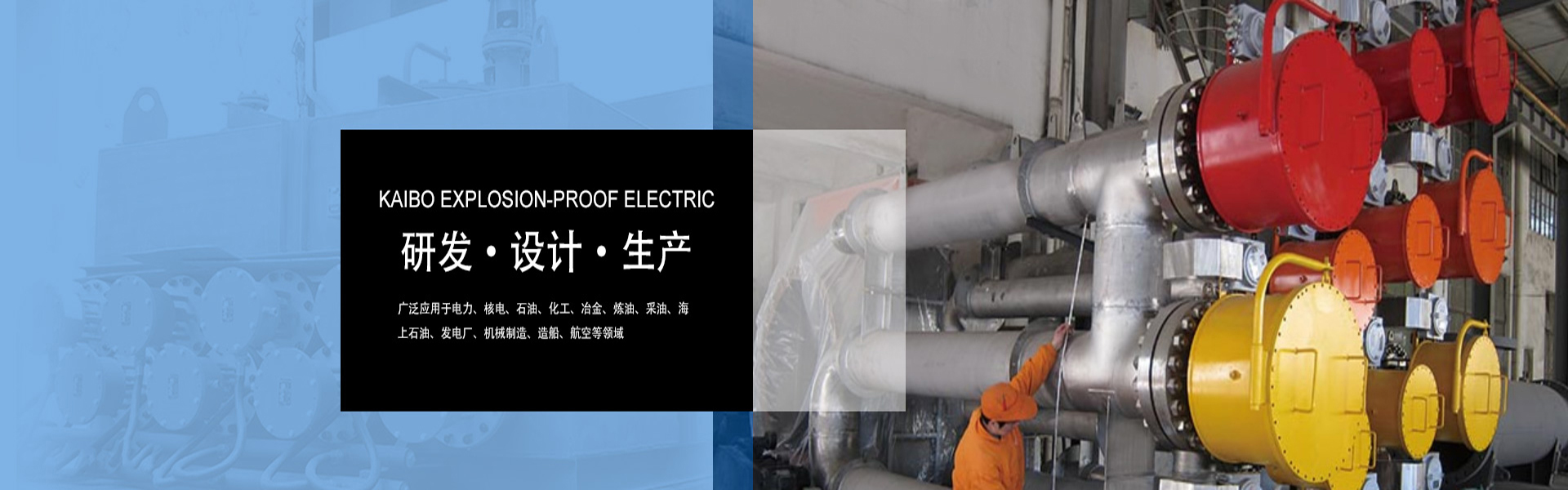
Our main products include electric heating boilers, high-density single-ended heating tubes, electric heating tubes for boilers, electric heating tubes for ovens, fin-type electric heating tubes, electric heating equipment for cars, electric heating tubes, electric power heating equipment, explosion-proof electric heating equipment, synthetic electric heating equipment, storage tank electric heating equipment, high-temperature ceramic electric heating equipment, molecular sieve electric heating equipment, recirculating electric heating equipment, Haf-type electric heating equipment, caterpillar-type electric heating equipment, hot water electric heating equipment, and fluid circulation electric heating equipment.
Electric heating equipment (electric heating tube) features a metallic tube as its casing, with a helical electric heating alloy wire (nickel-chromium, iron-chromium alloy) evenly distributed along the central axis inside the tube. The gaps are filled and compacted with magnesia sand, which has excellent insulation and thermal conductivity properties. The tube ends are sealed with silicone or ceramic. This metal-clad electric heating element can heat air, metal molds, and various liquids.
Electric heaters operate through the heat effect produced by conducting wires. Like the development and popularity of other industries, the electric heaters in the germination stage are generally not of high quality. The early electric heating appliances used in daily life often follow a pattern: gradually spreading from advanced regions to the rest of the world; from urban areas to rural areas; from collective use to households, and eventually to individuals. At the same time, it is crucial to prioritize safety when using electric heaters!
