

公司主营:Desiccants, silica gel desiccants, food-grade desiccants, pharmaceutical desiccants, Kunshan mineral desiccants production, calcium chloride desiccants, and other products
18260205093

Product Center
Company Qualification
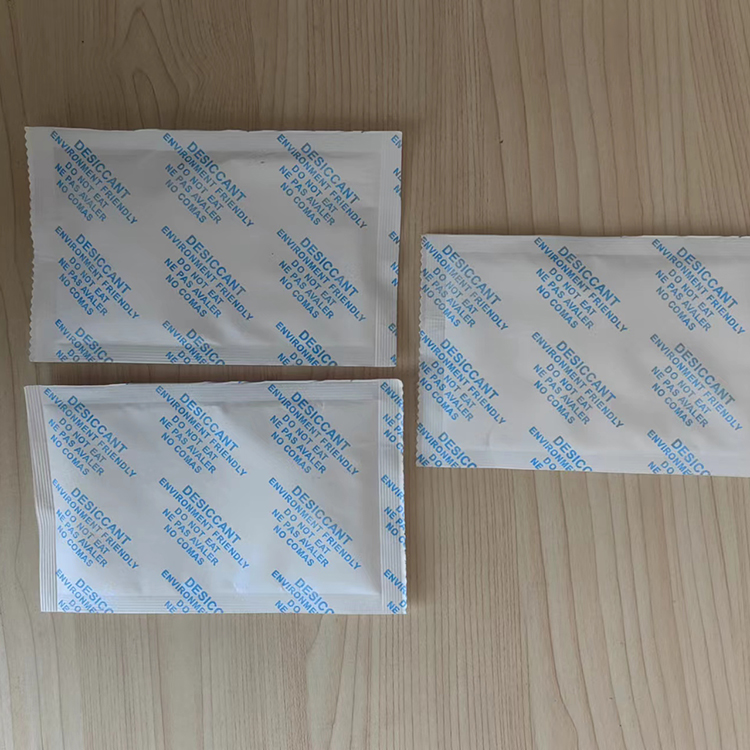
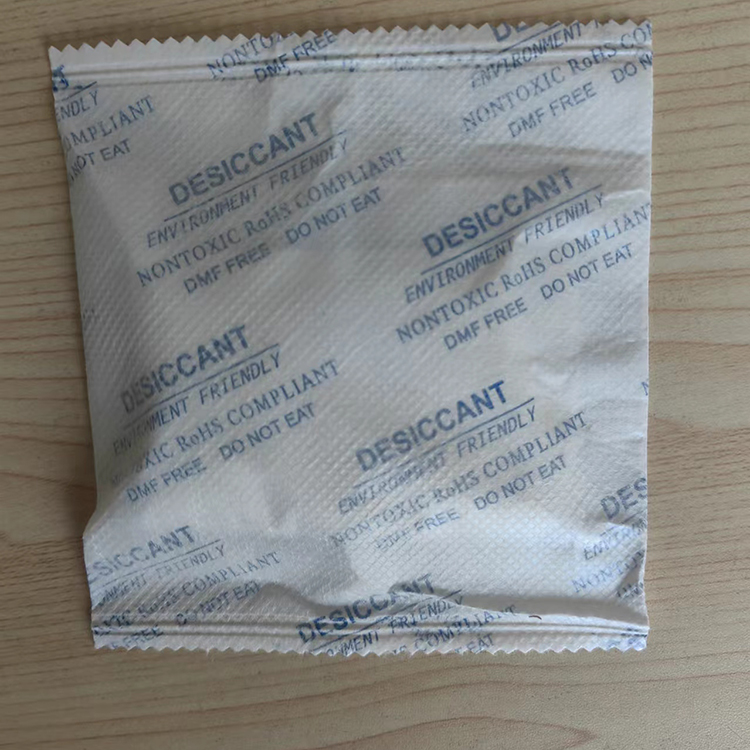
Magnesium Chloride Desiccant
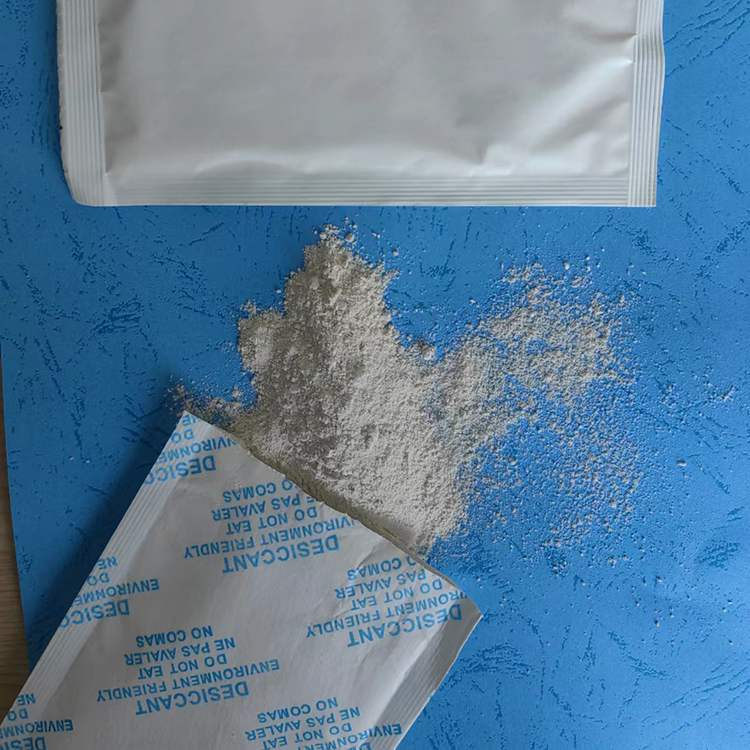
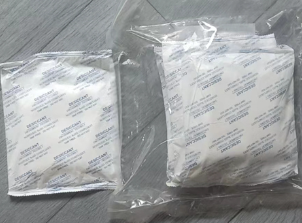
Details Introduction
Magnesium oxide, commonly known as magnesia or magnesia oxide, is an alkaline oxide with the general properties of alkaline oxides and belongs to the category of binding materials. It is a white powder (with a pale yellow tint due to magnesium nitride), odorless, and is a typical alkaline earth metal oxide with the chemical formula MgO. The white powder has a melting point of 2852°C, a boiling point of 3600°C, and a relative density of 3.58 (at 25°C). It dissolves in acids and ammonium salt solutions but is insoluble in alcohol. The solubility in water is 0.00062 g/100 mL (at 0°C).
0.0086 g/100 mL (30 °C). Exposed to air, it readily absorbs moisture and carbon dioxide, gradually becoming magnesia carbonate, with the light-grade product becoming so faster than the heavy-grade. When combined with water under relative conditions, it forms magnesium hydroxide, exhibiting a slightly alkaline reaction, with a pH of 10.3 in its saturated water solution. It dissolves in acids and ammonium salts but is sparingly soluble in water, with its solution being alkaline. It is insoluble in ethanol. It has strong refractive properties in the visible and near-ultraviolet spectral ranges. Magnesium carbonate (MgCO3), dolomite (MgCO3·CaCO3), and seawater are the main raw materials for producing magnesium oxide. Thermal decomposition of magnesite or dolomite yields magnesium oxide. Magnesium hydroxide precipitate is obtained by treating seawater with slaked lime, and magnesium oxide is obtained by calcining the magnesium hydroxide. Alternatively, magnesium chloride brine blocks obtained from the comprehensive utilization of seawater or brine after bromine extraction can also be used as raw materials. By adding sodium hydroxide or sodium carbonate, magnesium hydroxide or magnesia carbonate precipitates are formed, which are then calcined to obtain magnesium oxide. China primarily uses magnesite, dolomite, brine, or brine blocks as raw materials [1].
吴帆 (Mr.)
18260205093
13585883185
88 Dongqiu Road, Zhangpu Town, Kunshan, Building C, 3rd Floor, Fengguan Industrial Park
www.114global.com © Zhongshang 114 Hebei Network Technology Co., Ltd.Address: Room 6009, Oriental New World Center, No.118 East Zhongshan Road, Qiaoxi District, Shijiazhuang City, Hebei ProvincePlatform Service Hotline: 4006299930
