
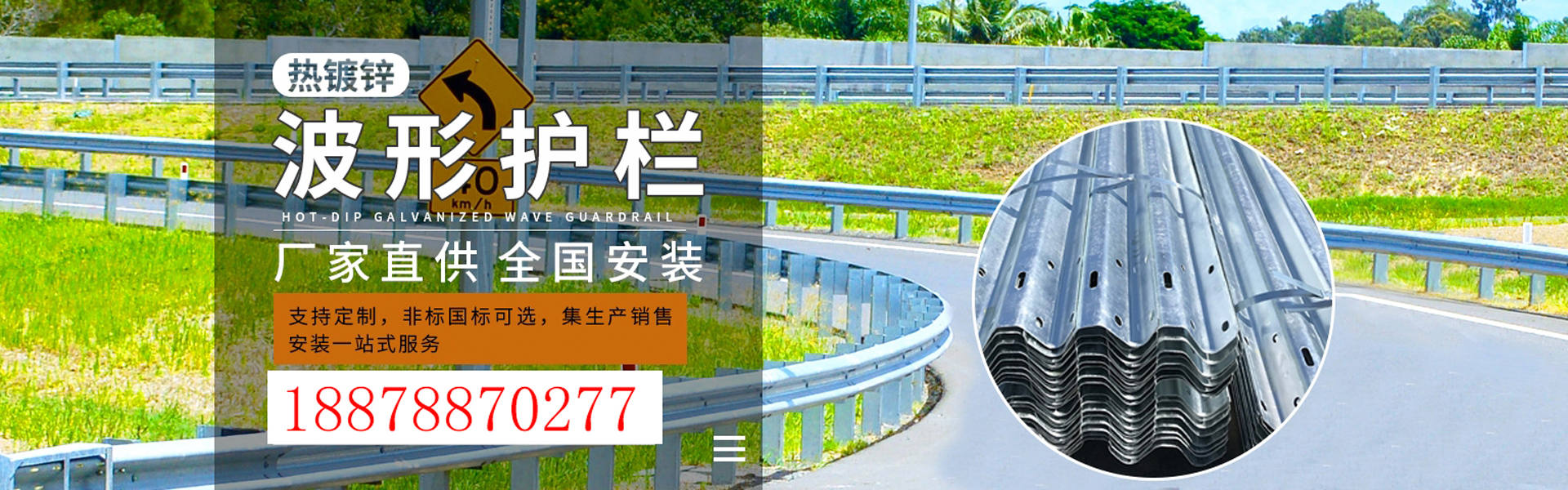
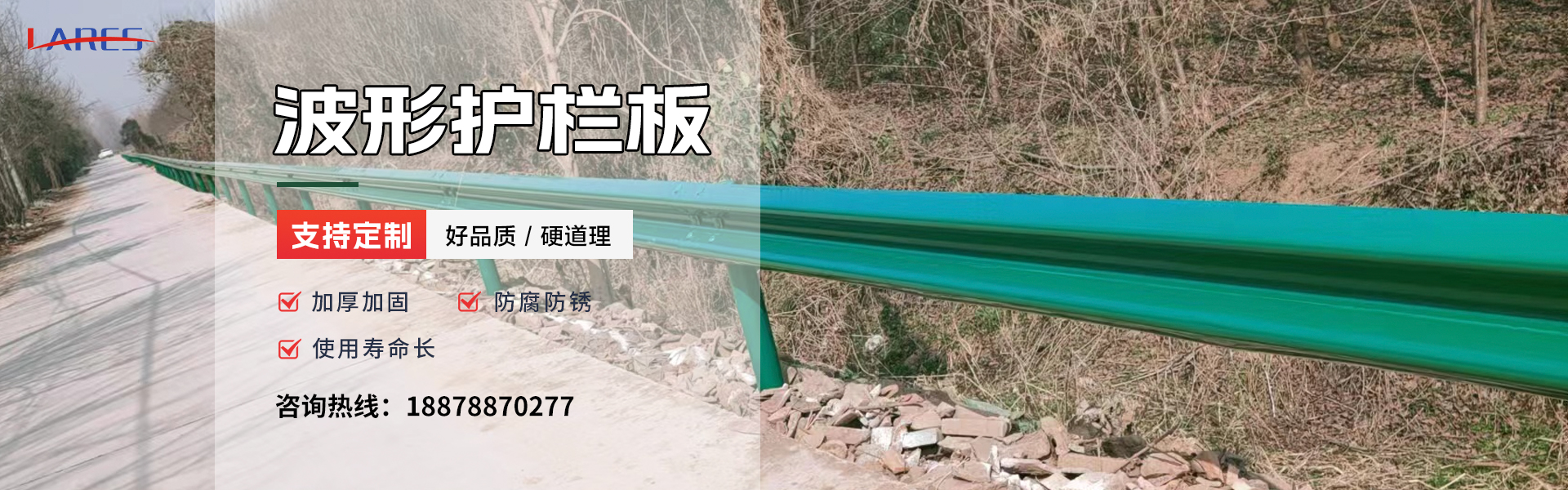

Wave barriers are a common traffic safety facility, widely used in road traffic areas such as highways, bridges, and tunnels. Their primary function is to protect vehicles and pedestrians from collisions and injuries, enhancing the safety and comfort of road traffic.
The wave-shaped guardrail is composed of a series of wave-shaped steel plates, typically made of galvanized steel or aluminum alloy sheets, offering excellent corrosion and aging resistance. The wave-shaped steel plates are connected together via bolts or welding, forming a continuous guardrail structure that can effectively absorb the impact energy of vehicles, reducing the speed and force during collisions.
The design and installation of guardrails should be comprehensively considered based on road grades, traffic volume, speed, and other factors. On highways, guardrails typically feature reinforced designs to withstand the impact and collision of high-speed vehicles. In urban roads, guardrails can be flexibly adjusted and set according to specific needs to meet the safety requirements of different sections.
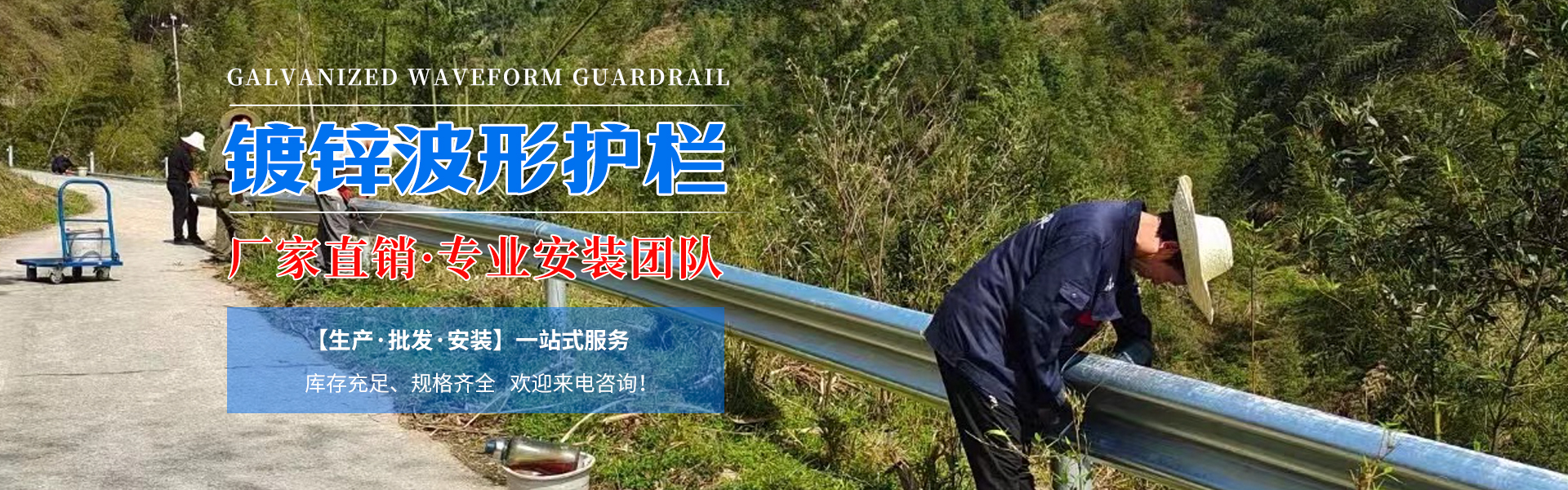
The installation methods for wave barriers are diverse and can be selected based on the actual road conditions. For instance, wave barriers can be fixed to the road surface using pre-buried foundations, or suspended using support posts. Regardless of the method used, the installation of wave barriers must ensure their stability and reliability, guaranteeing their effective protective function.
