
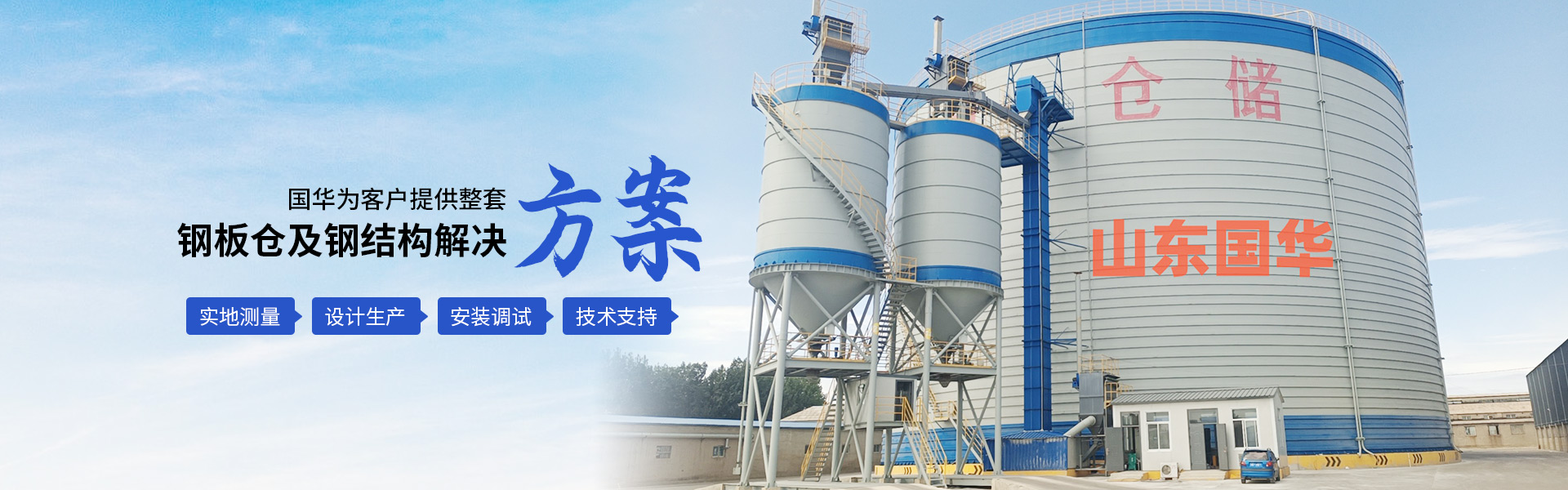
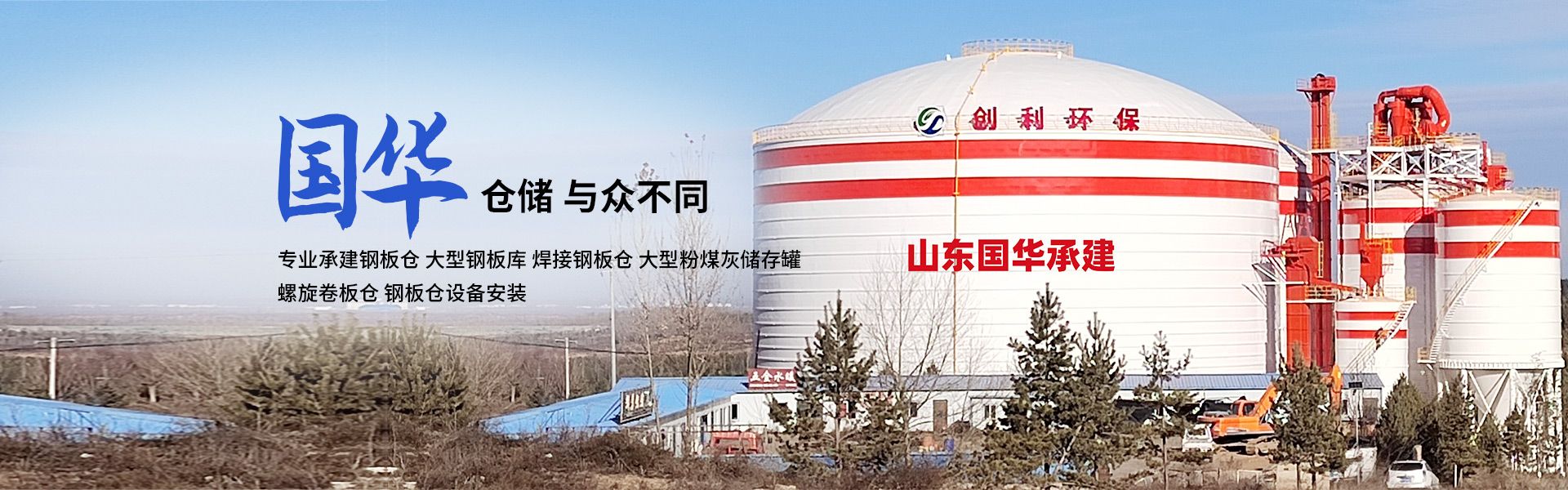
In modern industrial settings, fly ash steel silos are a vital storage equipment, widely used in the power and construction materials industries. The installation process is not only crucial to the lifespan and safety of the equipment but also directly impacts subsequent production efficiency and cost control. Therefore, prior to the installation of fly ash steel silos, it is essential to pay close attention to the following points to ensure a smooth installation process and stable operation of the equipment.
I. Foundation Engineering Inspection and Preparation
1.1 Foundation Engineering Acceptance: Prior to the installation of fly ash steel plate silos, a strict acceptance of the foundation engineering must be conducted. This involves watering and moistening the concrete foundation, clearing debris, etc., to ensure the foundation surface is level, free of cracks, and without loose particles. Additionally, proper inspection and documentation of concealed works should be carried out to ensure all concealed parts meet design specifications.
1.2 Construction Drawings and Specifications: Prior to installation, it is essential to carefully review the construction drawings to ensure that all construction details comply with design requirements and relevant specifications. Particularly for the foundation construction, it must be strictly followed according to the drawings to ensure the requirements are met and to satisfy the steel cylinder welding requirements. Additionally, the verticality error of the plate inventory must be controlled, ensuring it remains within the permissible range (usually within one millimeter).
Safety Precaution Measures
2.1 Lightning Protection and Grounding Treatment: Since fly ash steel silos are typically located outdoors and are often tall, they are susceptible to lightning threats. Therefore, adequate lightning protection and grounding treatment must be implemented before installation to ensure equipment safety during thunderstorms. The lightning protection grounding system should meet the standards, with the grounding resistance conforming to the design requirements.
2.2 Safety Warning Signs Installation: Necessary safety warning signs should be set up during the installation process to remind construction workers and nearby personnel to take care of their personal safety. Especially in dangerous areas such as high-altitude operations and electrical work, clear warning signs and isolation facilities must be installed.
III. Material Preparation and Inspection
3.1 Material Preparation: All necessary installation materials must be prepared prior to installation, including anchor bolts, steel plates, welding materials, fasteners, etc. These materials must comply with design requirements and relevant standards, and possess a valid certificate of qualification.
3.2 Material Inspection: After materials arrive on-site, a dedicated team should conduct acceptance and inspection. Focus on checking if the specifications, models, and quantities of the materials meet the requirements, and whether there are any damages or rust. Unqualified materials should be promptly processed for returns or replacements.
IV. Staff Training and Preparation
4.1 Personnel Training: Workers must undergo training before installation to familiarize themselves with construction drawings, installation techniques, and safety operation procedures. Especially for special trades such as high-altitude work and electrical work, the possession of relevant certification and a work permit is mandatory.
4.2 Construction Organization Plan: Develop a detailed construction organization plan, specifying construction tasks, sequence, methods, and timelines. Additionally, arrange for construction personnel and equipment in a reasonable manner to ensure the smooth progress of the construction process.
V. Environmental Inspection and Preparation
5.1 Weather Conditions: Prior to installation, it is essential to monitor local weather forecasts to avoid installing during adverse weather conditions (such as strong winds, rain, snow, etc.). This not only enhances construction efficiency but also ensures the safety of the workers.
5.2 Construction Site Preparation: Clear the construction area to ensure it is clean and free of debris. Simultaneously, set up construction pathways and temporary facilities such as temporary storage and office areas. These preparations will facilitate and ensure the installation process.
Pre-installation precautions for fly ash steel silos encompass various aspects, including foundation engineering acceptance, safety precautions, material preparation and inspection, personnel training and readiness, as well as environmental checks and preparations. Only by fully attending to these matters can the installation process proceed smoothly and ensure the stable operation of the equipment. Therefore, prior to the installation of fly ash steel silos, thorough preparation and meticulous planning are essential to ensure the successful completion of the installation work.