


- AllProduct Category
-
Copperplate Label
Thermal Label
Digital Printing Labels
Asian Silver Tags
High and Low Temperature Gauge
Logistics Tags
Pharmaceutical Labels
Personal Care Products Labels
Food Labels
Supermarket Tags
Electronic Tags
Chemical Label
Anti-Counterfeiting Labels
Gilded Silver Reflective
PVC Warning Labels
PCT Label
Paper Cards, Hangers
Fragile Paper
Receipt Cash Register Paper
Carbon Tape
Label Printer


详情描述
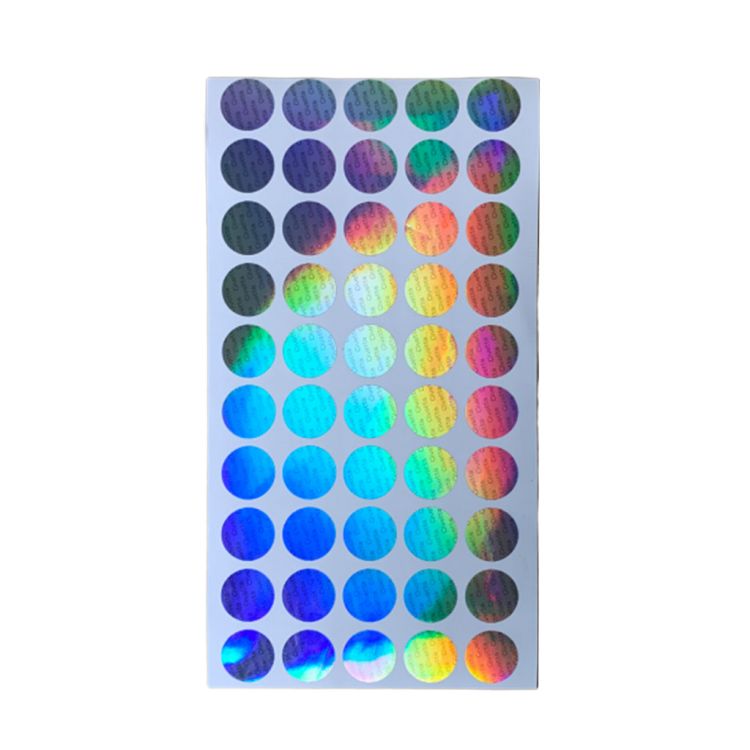
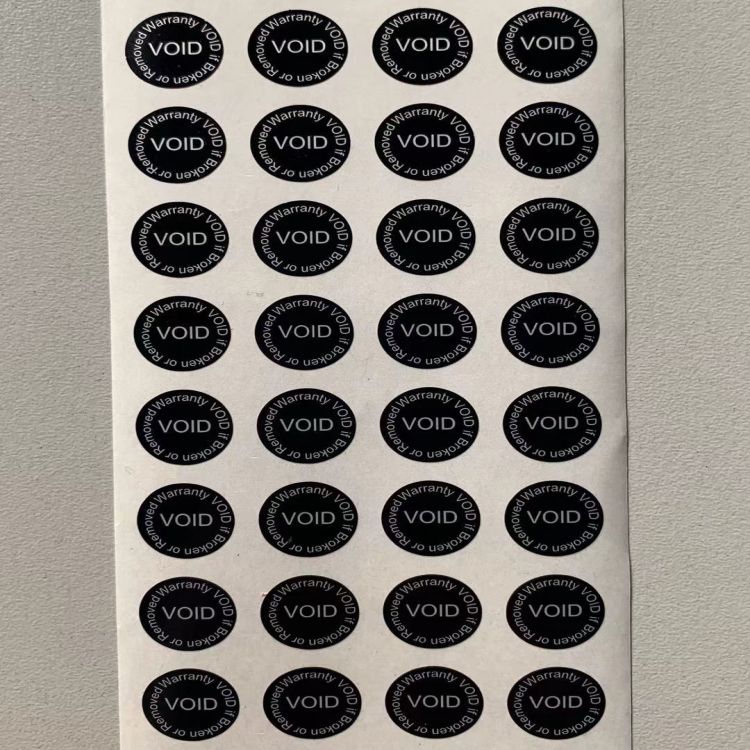
Anti-counterfeiting labels, also known as anti-counterfeiting stickers or tags, are a type of pressure-sensitive product that can be applied, printed, and transferred onto the surface of the item, its packaging, or accessories (such as product tags, business cards, and anti-counterfeiting cards). These labels serve as anti-counterfeiting identifiers with the anti-counterfeiting features and identification methods being the essence of these labels.
Anti-counterfeiting marks are one of the anti-counterfeiting technology products (as of 2020, classified under national standards, there are a total of 6 types), and anti-counterfeiting believes that products should comply with the eight technical requirements followed by the anti-counterfeiting labels when they leave the factory.
1. Identity Uniqueness: The uniqueness and non-transferability of anti-counterfeiting product identification features. For instance, digital anti-counterfeiting ensures each product has a unique identity code for its anti-counterfeiting mark, which can only be used once and cannot be transferred.
2. Stability Period: The short duration during which the anti-counterfeiting identification features of anti-counterfeiting technology products can be maintained under normal operating conditions. For example, fluorescent inks and thermochromic inks have a decay period.
3. Security Period: The short duration in which the anti-counterfeiting identification features of the anti-counterfeiting technology products can be successfully replicated under normal usage conditions. This is a concern for clients, and a commitment period should be proposed by the manufacturer.
4. Anti-counterfeiting Strength: The durability and reliability of the function to identify authenticity and prevent counterfeiting. The anti-counterfeiting strength is composed of four elements: the number of anti-counterfeiting identification features, the number of proprietary anti-counterfeiting technologies, the difficulty of imitation, and the cost of imitation.
5. Adaptability in Use: The anti-counterfeiting features of the product can be adapted to meet the usage requirements of the target item or service recipient.
6. Identification Performance: Anti-counterfeiting technology products' identification features can be correctly identified through sensory perception or machinery (instruments) within the required identification time. The first-line identification emphasizes the public recognition of anti-counterfeiting features, which can be identified through sensory perception alone; the second-line identification emphasizes identification through simple instruments (such as magnifying glasses, laser pens, UV fluorescence detectors, etc.); the third-line identification emphasizes identification through instruments (such as DNA testing) by experts, serving as a basis for judicial determinations. The second and third-line identifications emphasize the concealed nature of anti-counterfeiting identification features.
7. Environmental Requirements: The anti-counterfeiting performance of the anti-counterfeiting technology products should meet the normal usage environment requirements of the target items.
8. Technical Security and Confidentiality: The technology used in designing and producing anti-counterfeiting products must ensure security and confidentiality. In addition, consideration should be given to cost-effectiveness, aiming to minimize usage costs while meeting anti-counterfeiting technical requirements.

询价单