
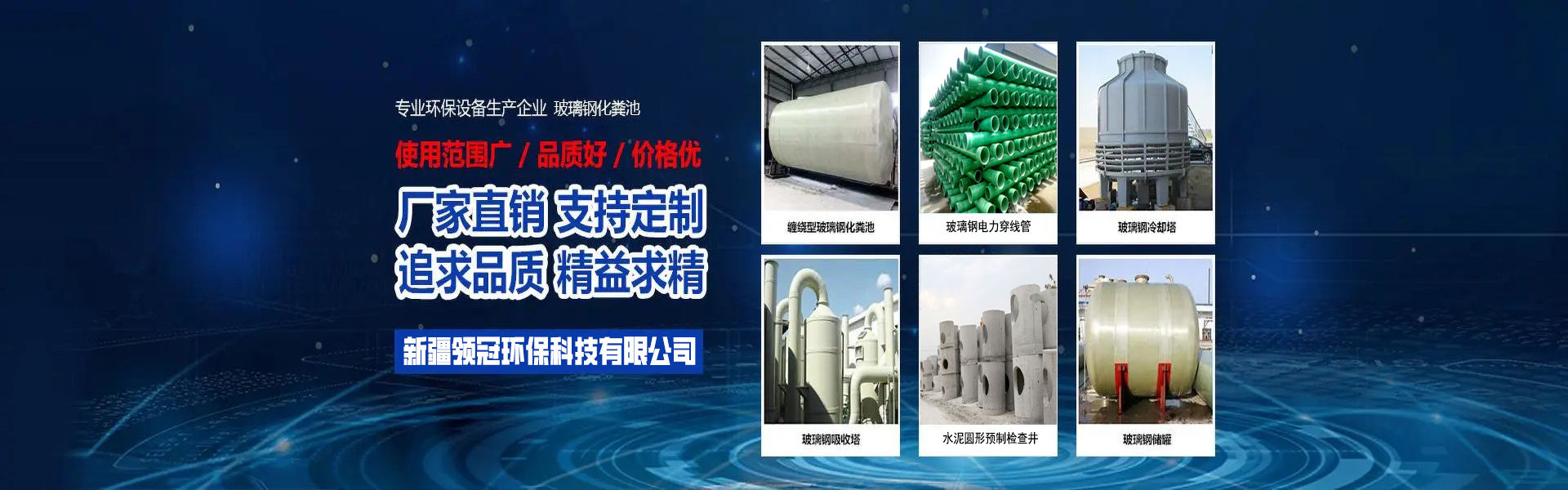


Glass-reinforced plastic (GRP) drainage pipes feature light weight, high strength, excellent corrosion resistance, and good insulation properties, ensuring superior performance and long service life under various harsh environments.
The manufacturing process for glass fiber drainage pipes mainly includes the following steps:
Raw Material Preparation: First, high-quality glass fiber, resin, and additives must be prepared, as the quality of these raw materials directly affects the performance and service life of the glass fiber reinforced plastic pipes.
2. Reinforcement Material Production: Mix glass fiber with resin in specific proportions and fabricate the required reinforcement materials through processes like winding and injection. The performance of the reinforcement materials directly impacts the strength and rigidity of glass fiber reinforced plastic pipes.
3. Pipe Forming: The reinforcing materials are laid on the mold according to the design specifications, followed by curing treatment to tightly bond the reinforcing materials with the resin, forming the required shape of the pipe.
4. Pipeline Inspection and Repair: Quality inspections are conducted on the formed pipelines. Any defects or damages found require repair or replacement.
5. Pipeline Installation and Connection: Install and connect the repaired or replaced pipelines according to design specifications to ensure the system's sealing and safety.
6. Pipeline Maintenance and Management: Regular inspections and maintenance of glass fiber reinforced plastic drainage pipes to ensure smooth operation and extend their service life.
Advantages of fiberglass drainage pipes:
Lightweight and High-Strength: Glass fiber reinforced plastic (GFRP) materials have a low density yet high strength, which results in GFRP pipes being lightweight with excellent load-bearing capacity.
2. Corrosion Resistance: Glass fiber reinforced plastic materials offer excellent corrosion resistance, making them suitable for use in harsh environments such as acids, alkalis, salts, and for conveying various corrosive media.
3. Excellent Insulation Properties: Glass fiber reinforced plastic materials offer high insulation capabilities, effectively preventing electrical interference and fire accidents.
4. Energy-saving and Environmental Protection: The production of glass fiber drainage pipes generates less waste and pollutants, which is beneficial to environmental protection and resource conservation.
5. Easy Installation: The lightweight yet high-strength glass fiber pipes are easy to install and quick to set up, significantly reducing the project timeline.
6. Longevity: Glass fiber drainage pipes offer a longer service life, reducing the costs for future maintenance and replacement.
Fiberglass drainage pipes have found extensive applications in urban water supply, drainage, and gas transmission due to their lightweight, high strength, corrosion resistance, and good insulation properties. With the advancement of technology and the increasing environmental awareness of the public, the prospects for the application of fiberglass drainage pipes will be even broader.
