
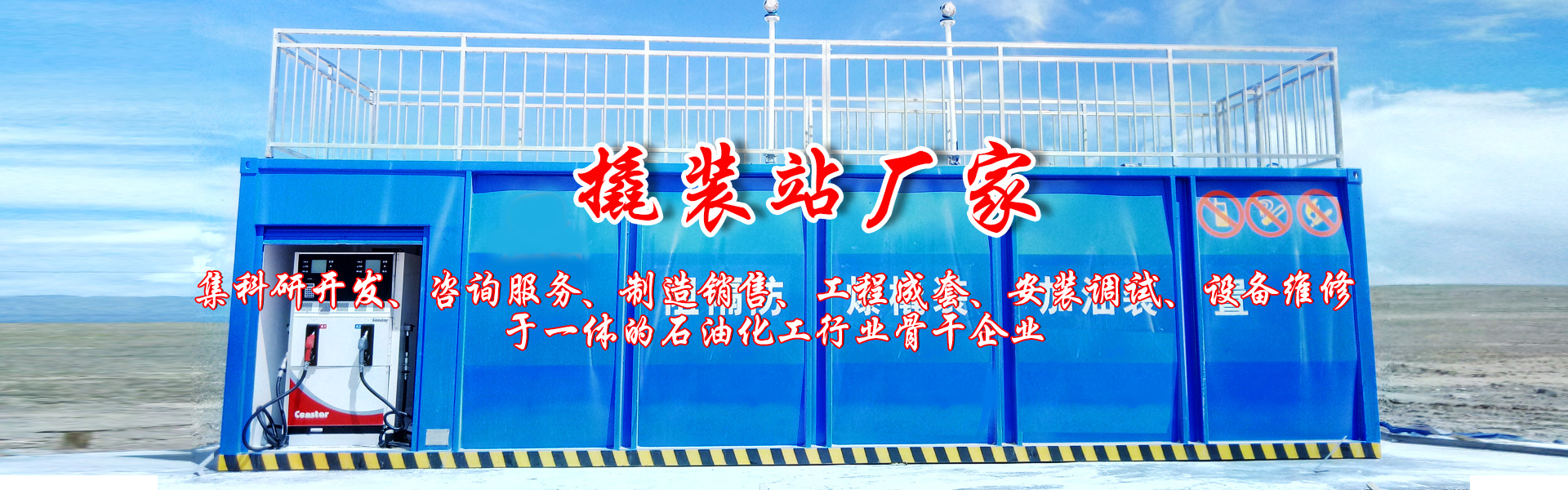
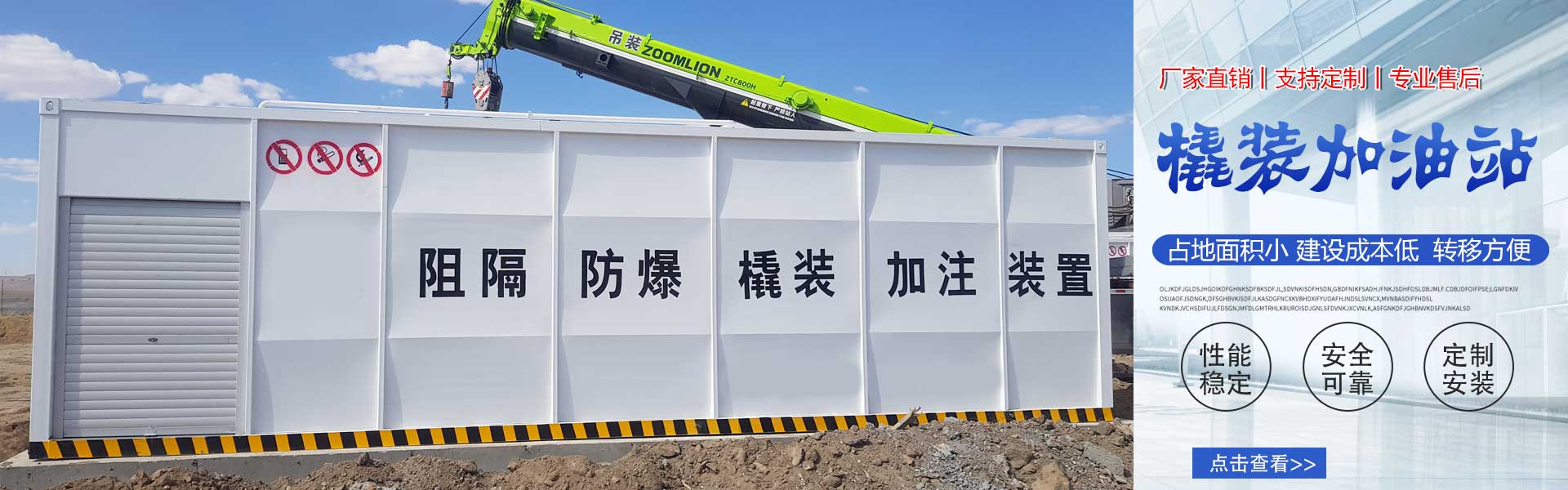
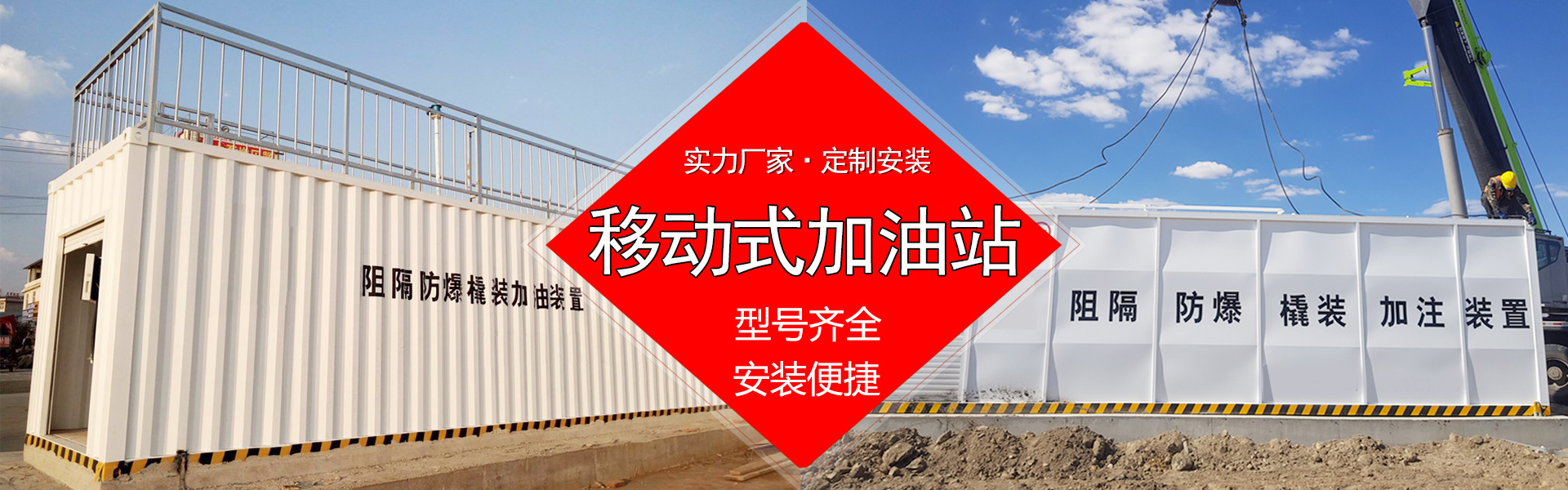

What's the difference between traditional gas stations and mobile refueling stations? Currently, mobile refueling stations have been established in major cities and gained the favor and recognition of most oil consumers. However, there are still some people who, due to unfamiliarity with mobile refueling stations, are unable to distinguish between traditional gas stations and mobile refueling stations, and do not know how to legally construct and operate a mobile refueling station. Therefore, the editor of Luqiang Energy Equipment will briefly introduce them.
Here are the key distinctions summarized:
1. Standard gas stations, reliant on real estate and immobile, are categorized as real estate properties.
2. A mobile filling station is a type of movable equipment that is relatively independent and classified as personal property.
3. The skid-mounted gas station is favored for its small footprint, integrated equipment, and convenient transportation.
4. Skid-mounted equipment occupies an area of approximately 50 square meters, whereas traditional gas station sites typically range around 2,000 square meters.
5. Modular gas station construction is cost-effective.
The functional features of Lu Qiang's portable fueling equipment are as follows:
1) Safe and reliable, the oil storage tank is filled with fire-retardant materials and devices. In the event of accidental combustion due to open flames, impacts, or welding, the flames are low and can be extinguished quickly, preventing any explosion.
2) Prevents volatile organic compounds (VOCs) from escaping and features a VOC recovery function.
The facility is grounded and equipped with oil leakage monitoring devices within the double-walled tanks, thereby preventing oil tank leaks from contaminating groundwater resources.
4) The device inherently features safety and explosion-proof equipment that is unaffected by internal and external conditions (such as power outages, water and gas shutdowns, malfunctioning monitoring and automatic control devices), eliminating the need for additional auxiliary equipment and boasting low operating costs.
5) The unit can simultaneously hold two or more different grades of oil and can be equipped with two or more fueling pumps. The tank is fitted with an automatic fire extinguisher, a flammable gas alarm, an emergency pressure relief valve, anti-static and lightning protection devices, and can meet various fueling methods. The fuel intake pipeline of the fueling pump is equipped with a high-temperature automatic shutdown protection valve.
6) Short construction time, low cost, small footprint, portable, and the standardized and modular design is suitable for various fuel supply environments.
7) Corrosion-resistant, leak-proof, and with an extended lifespan.
8) Static electricity-free, the portable fueling unit does not generate static buildup during the oil loading and unloading process.
9) Explosion-proof oil tanks are easy to clean, with a short cleaning time, and offer safety and reliability. They are also simple to maintain and can be welded at any time without explosion.
How to Legally Operate and Manage a Skid-Mounted Gas Station?
Portable fuel stations are not permitted to operate for external customers; they are exclusively for providing fuel services to employee vehicles.
2. Ensure all necessary procedures are completed when reporting a gas station for construction, and obtain approvals from departments such as Land, Fire, and Safety Supervision.
3. Prohibition of site declarations made in one's personal name; corporate entities must be involved.
In summary, as long as the relevant laws and regulations are adhered to, mobile fuel stations are considered a legal business operation.
