
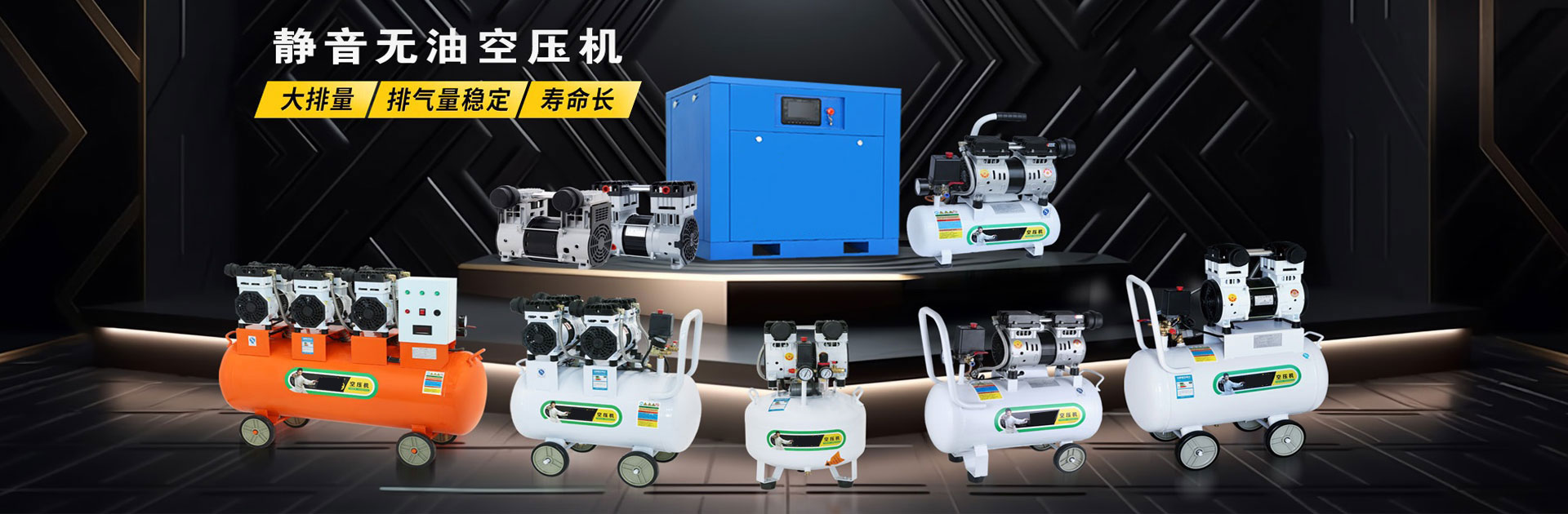
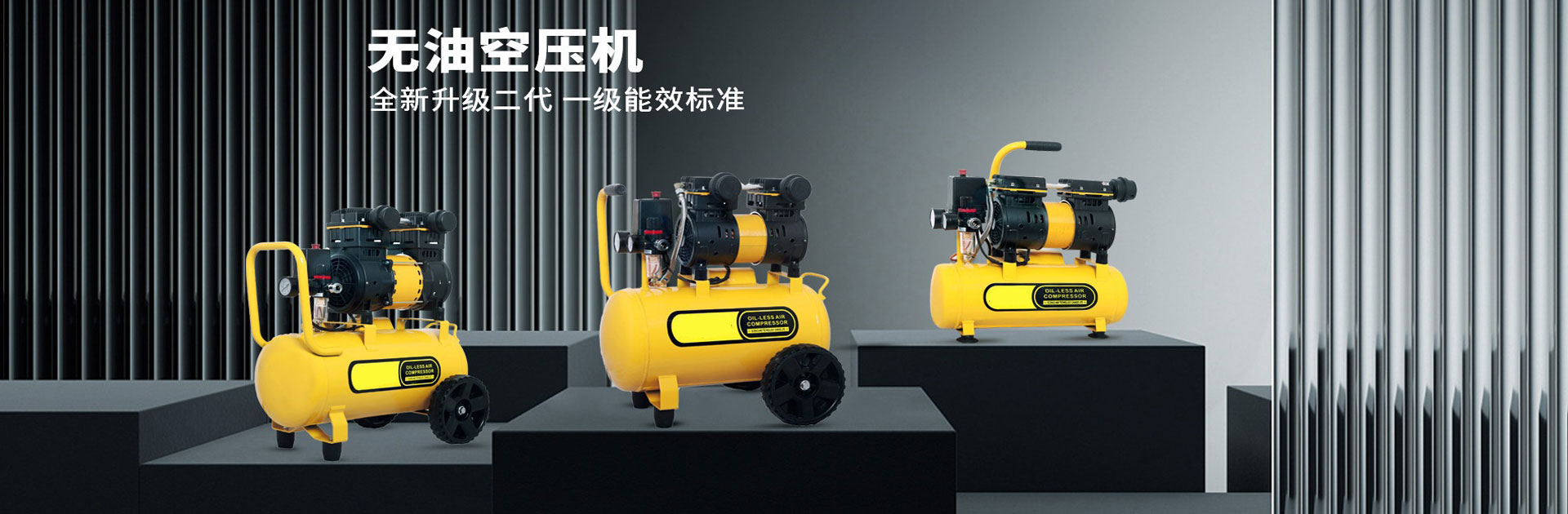
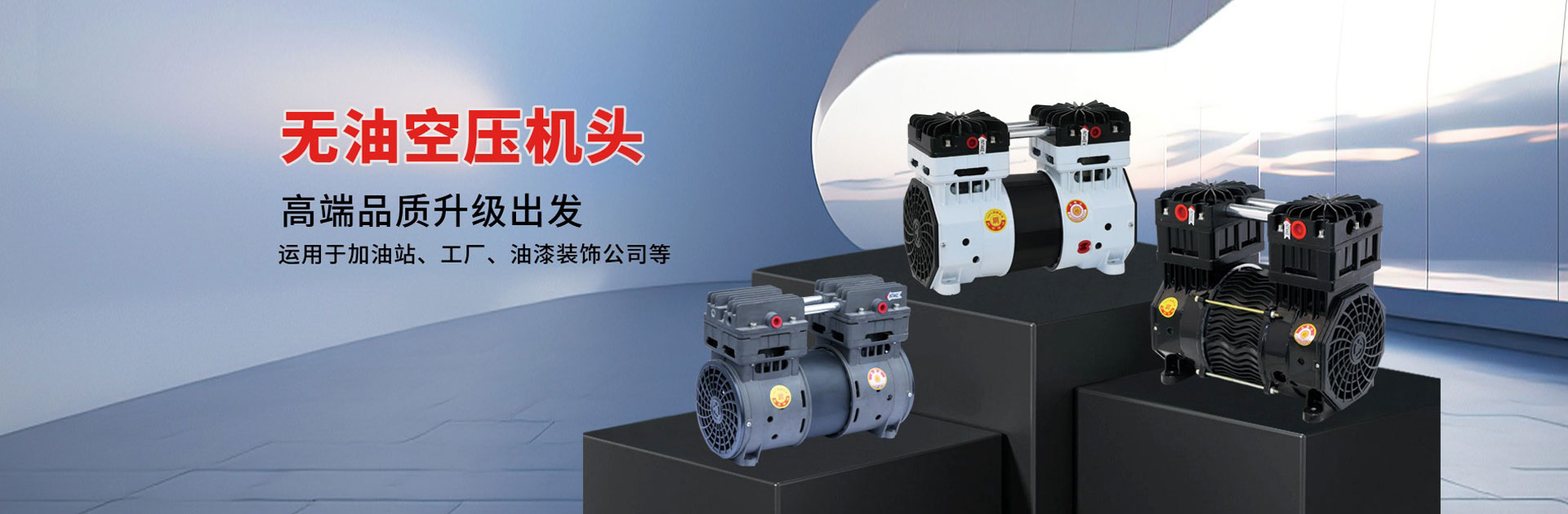
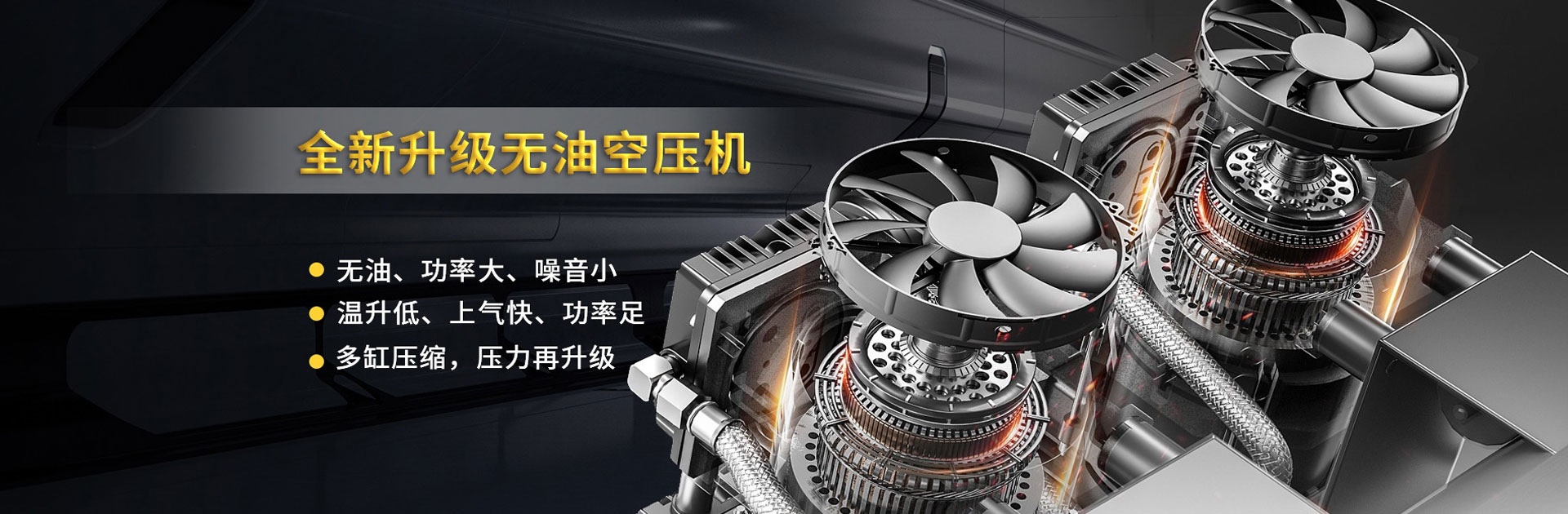


A compressor [1] is a passive fluid mechanical device that elevates low-pressure gas to high-pressure gas, serving as the heart of a refrigeration system. It draws in low-temperature, low-pressure refrigerant gas from the suction pipe, compresses it using a motor-driven piston, and then expels high-temperature, high-pressure refrigerant gas through the exhaust pipe, providing power for the refrigeration cycle.
Achieving the refrigeration cycle of compression → condensation (heat release) → expansion → evaporation (heat absorption). Compressors are categorized into reciprocating compressors, screw compressors, centrifugal compressors, and linear compressors, among others. The entry covers the working principle, classification, accessories, specifications, operational requirements, production, common faults, environmental requirements, selection principles, installation conditions, and trends of compressors.
The compressors are produced on an assembly line. The mechanical processing workshop (including casting) manufactures components such as cylinders, pistons (rotary shafts), valve plates, connecting rods, crankshafts, end caps, etc.; the motor workshop assembles rotors and stators; and the stamping workshop produces cases, etc. Then, in the final assembly workshop, they are assembled, welded, cleaned, and dried before being inspected, packaged, and shipped out.
Most compressor manufacturers do not produce starters and thermal protectors but source them from the market as needed. Compressor representatives include brands such as Meizhi, Mitsubishi, and Embraco.
