

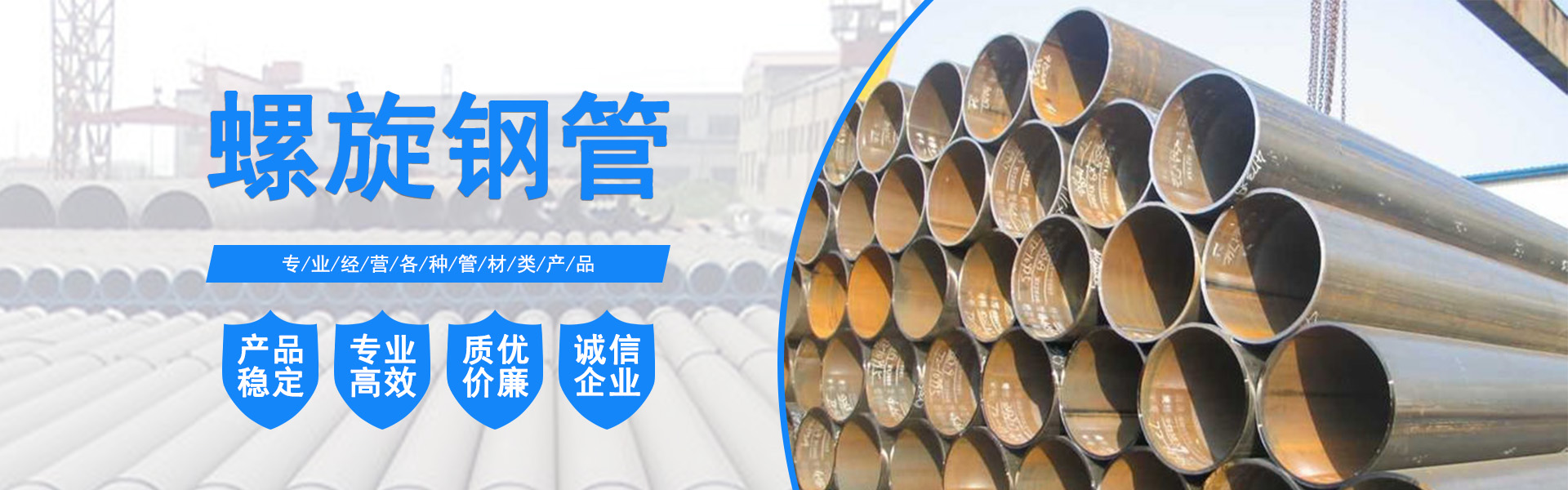
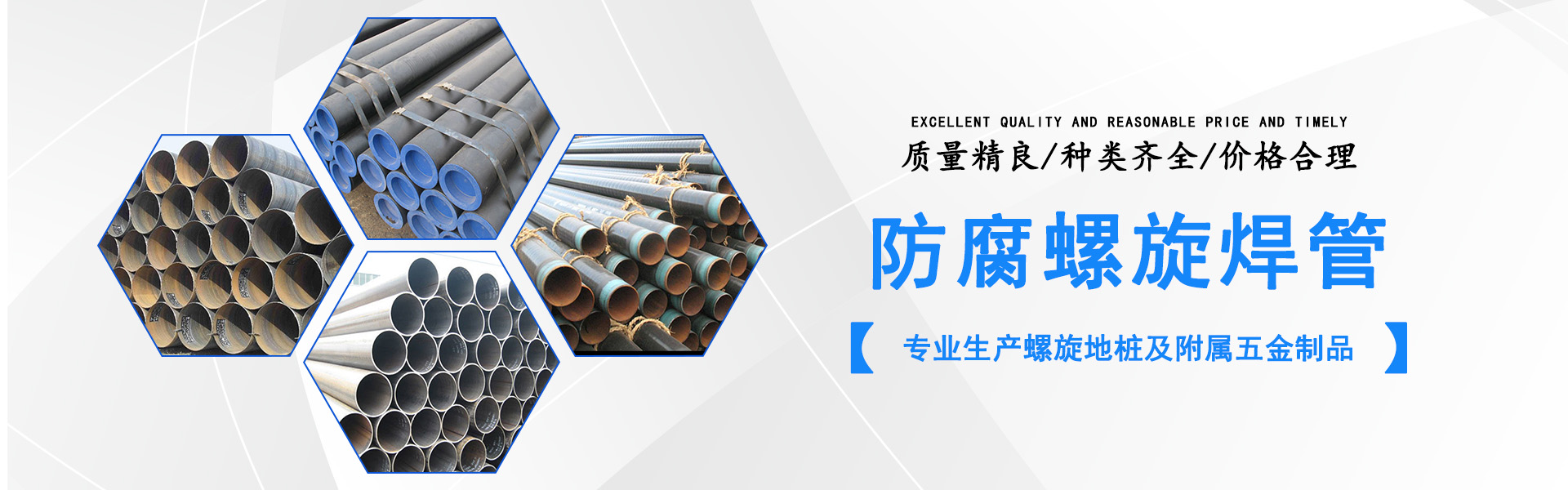
Spiral steel pipes are processed using polyurethane spiral pipes. The process involves preliminary treatments like rust removal, followed by the application of a polyethylene jacket. The thickness of the jacket is tailored to customer requirements. Foam is then filled between the pipe body and the polyethylene sheath, with the foam thickness also customized according to customer needs.
Spiral steel pipe installations can be either overhead or buried underground. Spiral steel pipe flexibility: Flexibility refers to the ability of the metal material to withstand impact forces without damage. Flexibility includes impact toughness and impact absorption work index. Spiral steel pipe impact toughness: Impact toughness is a mechanical property indicator that evaluates the resistance of metal materials to impact under dynamic loads.
Generally, the standard is set with a high-energy impact value in one go, which is achieved by selecting standardized specimens in terms of dimensions and shapes, and conducting tests on a pendulum impact tester. The experimental results, for the impact absorption work of spiral steel pipes, are determined not only by the material itself but also vary with the changes in specimen dimensions, shapes, and the different experimental temperatures, thus making αK a relative target.
The world directly selects the impact absorption work AK as the target for impact toughness. The main straight section of the spiral steel pipe is pre-fabricated in layers at the factory, with a reserved joint section, which is then welded on-site and sealed with a heat-shrink sleeve or heat-shrink tape. As for the bending section, the most commonly used process now is to use heat-shrink wrapping tape to match the grade of the spiral steel pipe. However, the drawback of this process is that it cannot be mechanized for mass production, requiring manual wrapping which is time-consuming and also results in high material costs.