


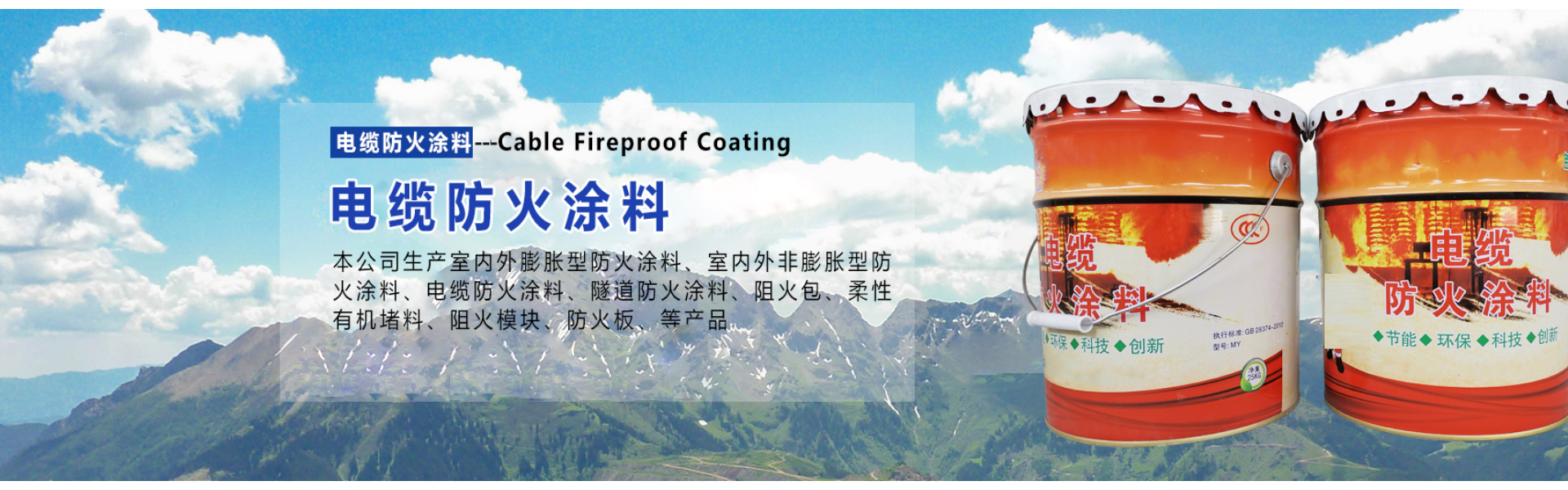


Fire-resistant coatings are applied using tools and equipment to evenly cover the surface of the object being coated during construction. However, due to the varying properties of different coatings, the application methods differ. Blind application can lead to unsatisfactory results. For different objects and fire-resistant materials with varying properties, we adopt different application methods to ensure excellent film quality. Below are the four coating application methods provided by ZhanTuo Fire Protection.
A construction method is the scraping technique:
Regularly utilize manual scraping tools such as glass fiber scraper, horn scraper, plastic scraper, and hard rubber blades to remove excess fire-resistant coatings of various thicknesses or surplus material from surfaces, including gaps.
Two construction methods are: roller coating.
Roll coating is generally used for wall construction, where paint is applied to a roller and then rolled back and forth on the wall surface to adhere the paint. The roller we're referring to is a small-diameter hollow cylinder, covered with long bristles made of synthetic fibers. The cylinder has two washers at each end, a central hole, and a bent handle that passes through this hole. Now, technology has improved with the emergence of a roll coating device that uses an air compressor to deliver the paint.
Three construction methods include: brushing application.
Brush painting is not only suitable for wall construction but also applicable to the surfaces of objects of any shape, with the vast majority of fire-retardant coatings being suitable for application this way. The method is also convenient for applying paint to the fine pores and crevices of an object's surface, thereby enhancing the adhesion to the surface. However, it has the drawbacks of low production efficiency, high labor intensity, and sometimes leaving brush marks on the coating surface, which can affect its decorative appeal.
Four construction methods include the spraying method:
Using a spray gun to atomize paint and apply it to the surface of objects, the resulting coating is uniformly quality and highly efficient in production. However, some paint may be wasted during the application process, and the extensive evaporation of the misty solvent is detrimental to operator health. The key equipment for air spraying is the spray gun. The spray gun is typically divided into three types based on paint supply methods: gravity feed, suction feed, and pressure feed, and into two categories based on spraying capacity: small and large. For paints with high viscosity, a high air pressure is required, and a large-bore nozzle should be chosen; for paints with low viscosity, less pressure is needed, and a small-bore nozzle can be selected.
News Center Co., Ltd.
