


- AllProduct Category
-
Powder Property Tester
Powder Flowability Tester
Bulk Density Gauge
Loose Density Tester
Pile Density Tester
Apparent Density Meter
Rest Angle Gauge
Rest Angle Gauge
Particle Strength Tester
Powder Resistivity Tester
Compaction Density Gauge
Hole Flowmeter
Four-Probe Resistance/Resistivity Tester
Surface and Volume Resistivity Tester for Insulating Materials
Conductor Material Resistivity Tester
High Temperature Resistivity Tester
Voltage Drop Tester





详情描述
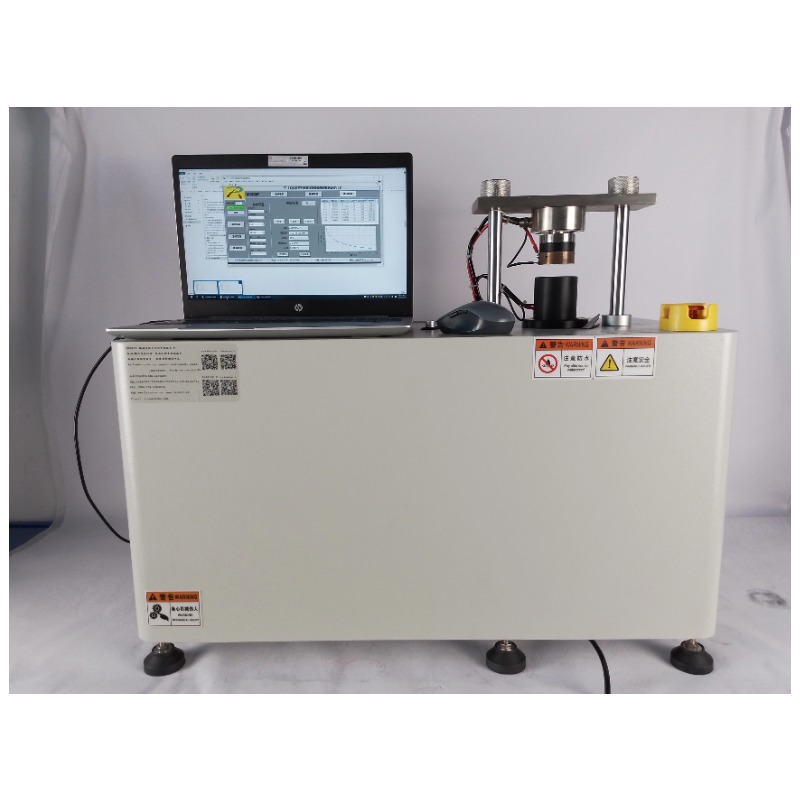
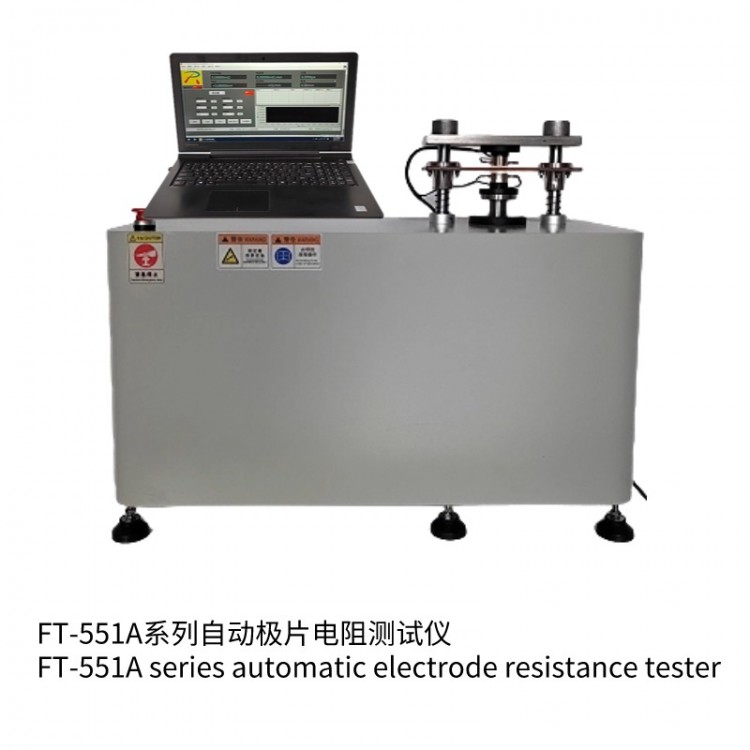
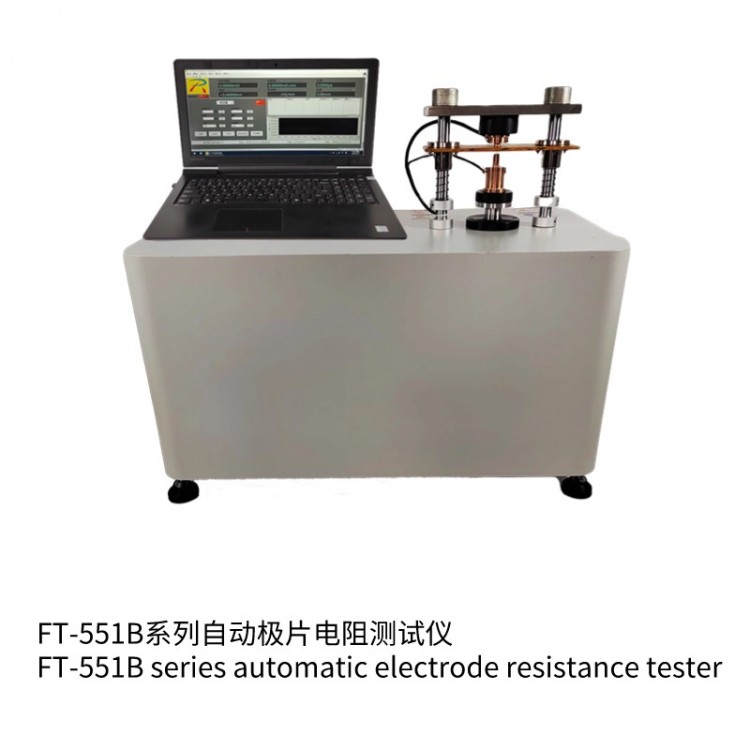
FT-551Series Automatic Lithium Battery Anode SheetsResistorTest Instrument
Function Description
Utilizing a flat probe, the pressure applied to the tested sample is used to analyze the overall resistance of the anode.
Automatic Pressure;Pressure can be set. PC Software Interface Operation
Multiple measurement modesAchieve a pressure and resistance, resistivity, conductivity relationship chart
Automatic positive/negative current output, automatic positive/negative voltage measurement
Provide data and report generation management.Automatic real-time sample thickness data
Directly measure the overall resistivity of the anode with a two-probe method
Including the probe's own resistance, the contact resistance between the probe and coating, the coating resistance, the contact resistance between the coating and collector, and the collector's own resistance.
Principle DescriptionPrinciple explanation
FT-551Series Automatic Lithium Battery Anode SheetsResistorTest Instrument
1. Measure the overall resistivity of the electrode sheet directly using the two-probe method, including the probe's own resistance, contact resistance between the probe and the coating, coating resistance, contact resistance between the coating and the current collector, and the current collector's own resistance; this resolves the issue where the four-probe method's test data cannot describe the overall value of the battery electrode sheet.
2. The testing process is essentially the same as during actual battery application, with a total test value encompassing the electronic conductivity characteristics of each component, rapidly studying the impact of the process on the resistance rate of the electrodes.
3. For LFP anodes with high resistance, stable results can be achieved with lower load currents, whereas for low-resistance graphite electrodes, a higher load current is needed for stability. For LFP, NMC, and graphite anodes, load currents of 10mA or more yield relatively stable measurement results. As load pressure increases, the resistivity of the graphite electrodes decreases.
4. Factors affecting the sheet electrical conductivity include the content and distribution of conductive agents, dry powder mixing intensity, compaction density, and the bonding state between the collector and the coating.
Application InstructionsApplication Description
Material carbon black evaluation; production process quality control; ratio analysis, etc., providing data support.
FT-551Series Automatic Lithium Battery Anode SheetsResistorTest Instrument
Technical Specifications
Model and Specification | FT-551A | FT-551B |
Resistor | 10^-7~2×10^7Ω | 10^-8~2×10^4Ω |
2. Resistivity | 10^-7~2×10^7Ω-cm | 10^-8~2×10^4Ω-cm |
3. Conductivity | 5×10^-7~10^7s/cm | 5 ×10^-4~10^8s/cm |
4. Test Current | 1μA,10μA,100µA,1mA,10mA,1000mA | 0-10A, 100uA |
5. Resistance Precision | Standard resistance ≤0.3%Resolution: 0.1 μΩ | Standard resistor ≤0.3%Resolution: 0.01 μΩ |
6. PC Software Operation | PC Software Interface: Resistance value, resistivity, conductivity, temperature, pressure value, automatic unit conversion, cross-section, height, curve charts, compaction density, report generation, etc. | |
7. Pressure RangeSelect | 0-200kg; 300kg; 500kg; 1,000kg; as requiredSelect as needed. | |
8. Planar probe electrode | Copper material, diameter: 10mm.Other specifications are customizable. | |
9. Test Itinerary | 0-20mm, displacement accuracy 0.01mm | |
10. Sample Thickness | 0-10mm; Accuracy: 0.001mm | |
11. Pressure Mode | Automatic (runs automatically after setting value) | |
12. Protective Function | Limited range and pressure protection; protection against misuse and emergency stop; abnormal alarm | |
13. Maintenance and Care | Standard operation prompt icons; maintenance reminder | |
14. Power Supply | AC 220V±10%, 50Hz, Power Consumption: <100W | |