

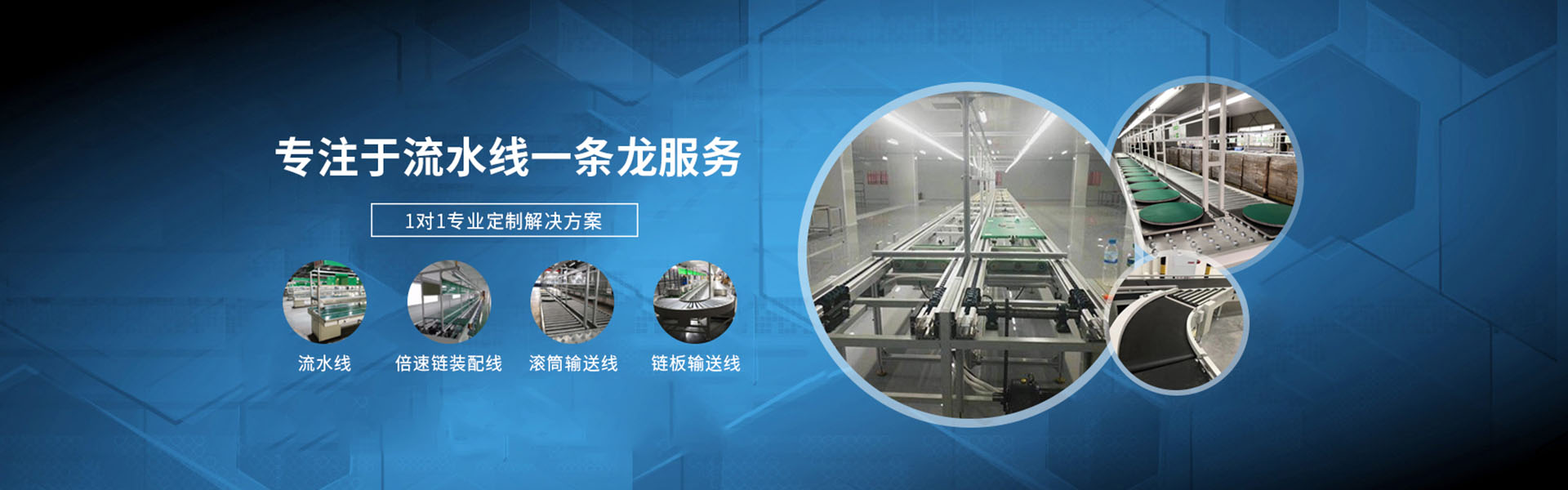
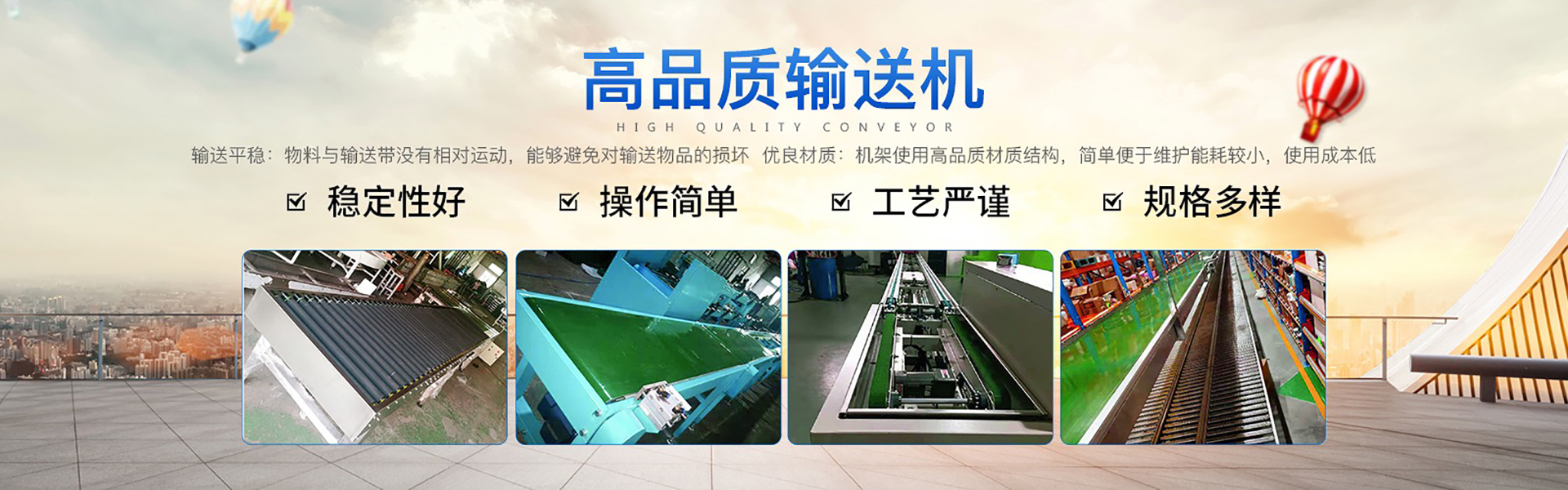

Roller conveyor materials include: carbon steel, stainless steel, aluminum, PVC, and plastic steel.
The drum conveyor drive methods include: reducer motor drive, electric roller drive.
The speed control methods for roller conveyors include: variable frequency speed control and electronic speed control.
Application Scope: Electronics, beverages, food, packaging, machinery, light industry, tobacco, chemicals, rubber and plastics, automotive, and logistics industries. Transmission Methods: Single sprocket, double sprocket, O-type belt, flat friction drive belt, synchronous belt, and shaft drive.
Features: Easy connection and filtration between roller conveyors, allowing for the assembly of complex logistics conveying systems and分流/合流 systems using multiple roller conveyors and other conveying equipment or dedicated machines to meet various process requirements.
Please confirm the following technical specifications for the custom roller conveyor line:
1. Dimensions for conveying objects: length, width, and height.
2. The weight of each conveying unit.
3. The condition of the bottom of the conveyance.
4. Are there any specific environmental requirements for the job (e.g., humidity, high temperatures, chemical exposure, etc.)?
5. Conveyors are either power-free or motor-driven. To ensure smooth transport of goods, at any given time, there must be at least three roller drums in contact with the conveying material. Trolleys should be added for soft bag packaging when necessary.
1. Roller Length Selection: Choose a roller width that matches the cargo's width. Generally, use "cargo width + 50mm." 2. Roller Wall Thickness and Axle Diameter Selection: Distribute the average weight of the cargo evenly across the contacting rollers, calculate the required load capacity for each roller, and thus determine the roller wall thickness and axle diameter.
3. Roller Material & Surface Treatment: Depending on the conveying environment, determine the material and surface treatment for the roller (galvanized carbon steel, stainless steel, blackening, or rubber coating).
4. Selection of Roller Installation Method: According to the specific requirements of the entire conveyor, choose the roller installation method: spring press-in type, internal spline shaft type, full dovetail type, through shaft pinhole type, etc. For the conical roller of the bend machine, the roller width and taper are determined by the dimensions of the goods and the turning radius.
