

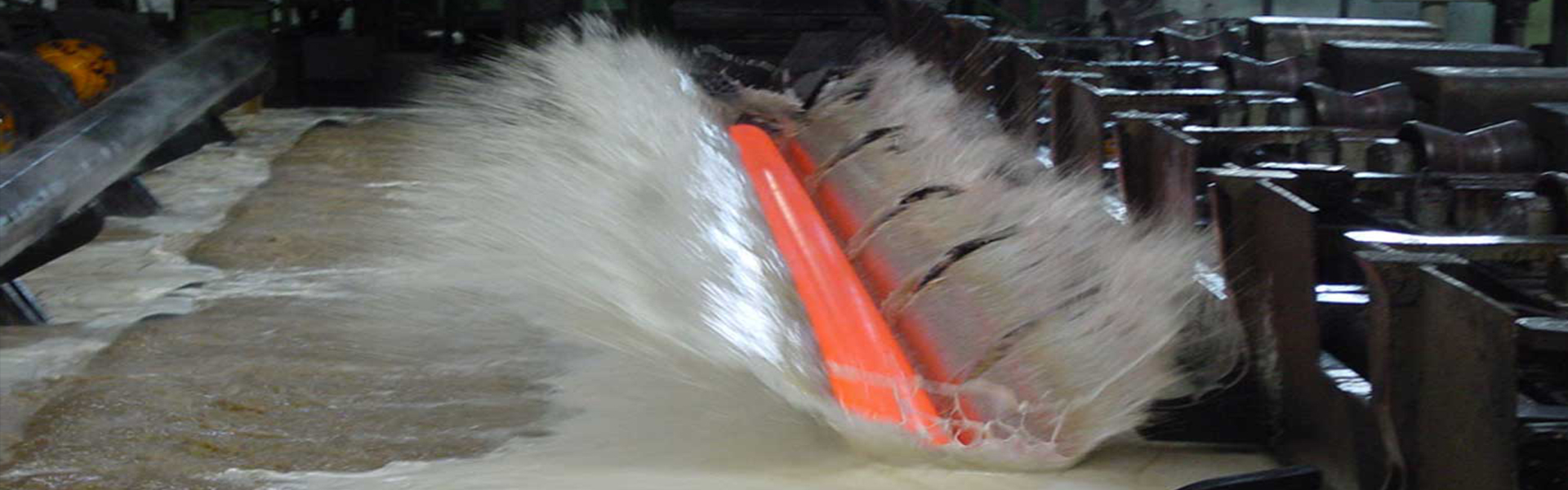





Quenching oil is a process oil used as a quenching medium. It can be made from paraffin or naphthenic base oils, with additives such as accelerators, high-temperature antioxidants, and brighteners, which are produced through mechanical stirring or pulsating blending.
Quenching oil additives are chemical substances designed to enhance the performance of quenching oil, typically including multifunctional additives such as antioxidants, coolants, brighteners, rust inhibitors, and corrosion inhibitors. These quenching oil additives improve the cooling efficiency of the oil, extend its service life, and enhance the surface brightness of the workpieces.
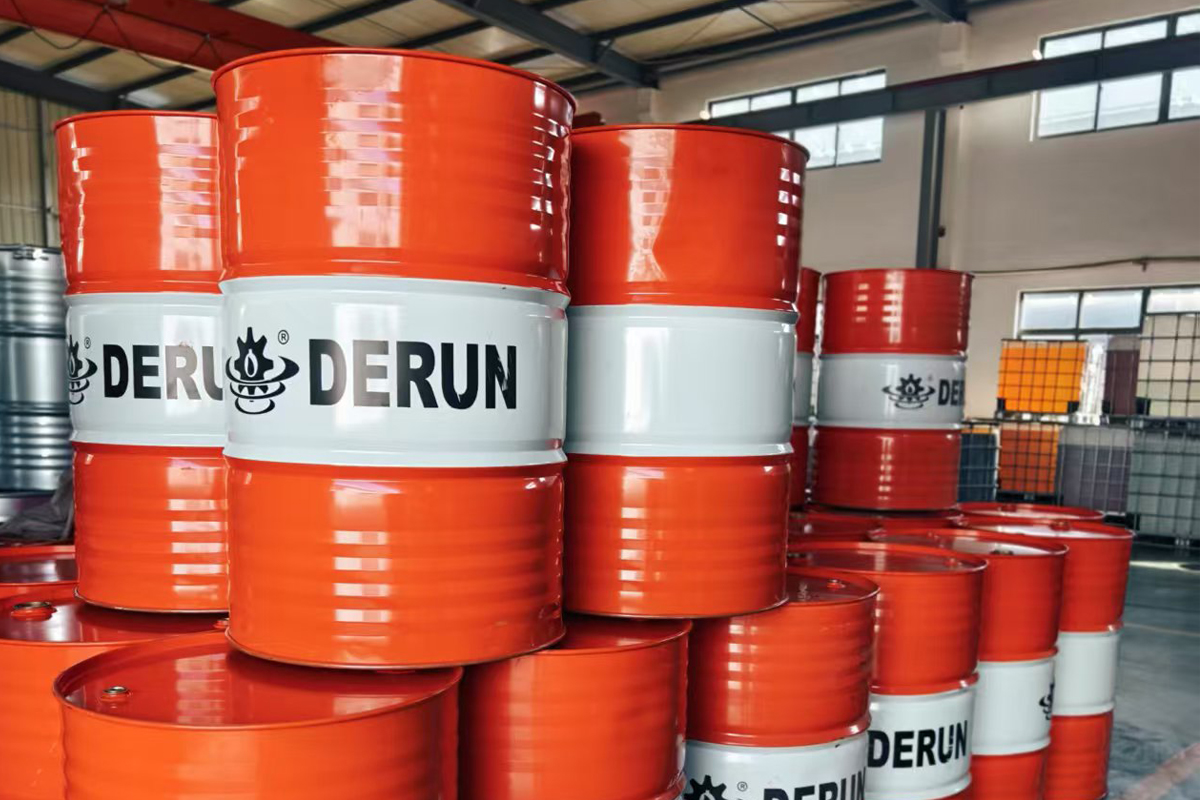
Properties and Applications of Quenching Oil Additives
Bright Quenching Oil: Formulated by adding brighteners and antioxidants to mineral oil, it is suitable for a temperature range of 20~80°C and can maintain the bright surface of quenched workpieces.
Vacuum Quenching Oil: Specifically treated through processes like vacuum distillation and degassing, and supplemented with accelerators, brighteners, and antioxidants, it is suitable for quenching cooling of bearing steel, tool steel, and other materials.
Additive Performance: Offers excellent cooling effect at both high and low temperatures, with minimal carbon accumulation, superior cooling performance, and a long service life.
Quenching Oil Additive Usage Instructions
Determine the concentration of use based on the material, size, shape of the workpiece, and the process requirements of the heat treatment equipment.
Eliminate moisture from the system to prevent it from affecting the quality of the quenched workpieces.
Regularly clean carbon black and oxide scale to maintain the performance of quenching oil additives.
Conclusion
Quenching oil additives are composite additives developed for quenching media in metal heat treatment, capable of formulating ordinary quenching oils, rapid quenching oils, ultra-fast quenching oils, and rapid bright quenching oils, etc. Do not mix water with the quenching oil additives to avoid affecting the quality of the quenched workpiece. It is important to regularly replenish the additives to maintain cooling capacity.
