

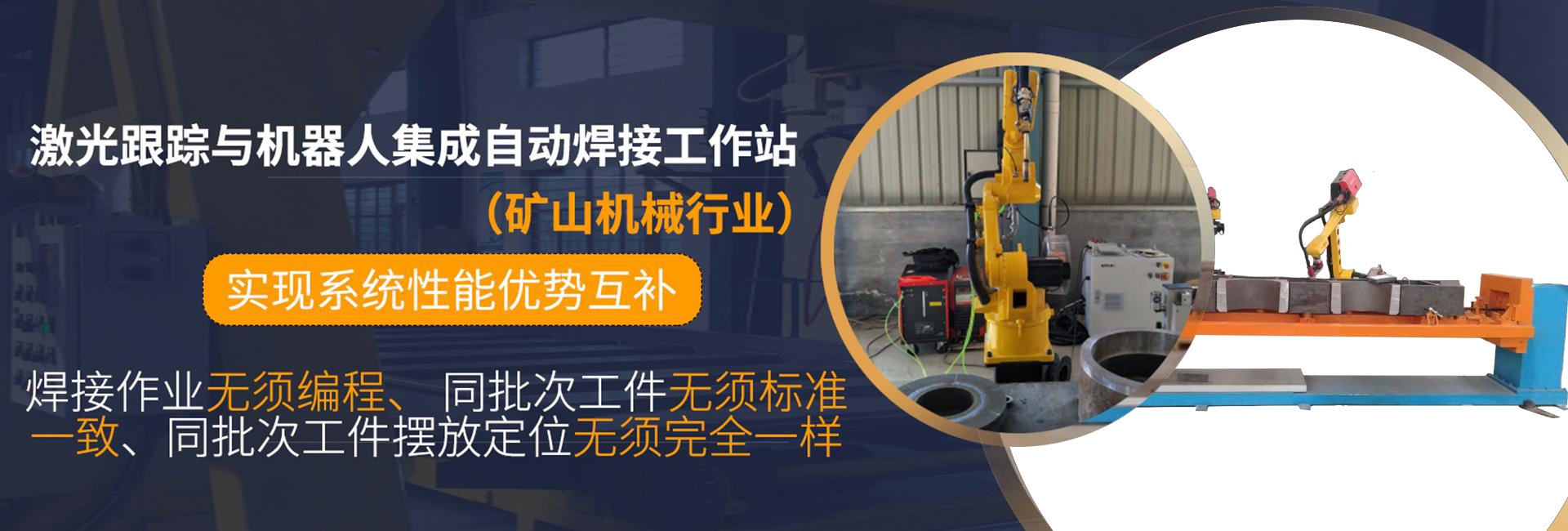
Welding automation offers numerous advantages in engineering. Follow the benefits of welding automation below, and we hope they are helpful to you. Feel free to contact us with any questions. Visit our official website for more information on the benefits of welding automation.
Enhancing Production Efficiency: Welding automation achieves continuous and high-speed welding operations without human intervention. The automated system can complete a large number of welding tasks in a shorter period of time, significantly boosting production efficiency.
2. Enhancing Welding Quality and Consistency: The automated welding system accurately controls welding parameters and processes, eliminating human factors and thus delivering higher quality and consistency in welding. The automated system precisely controls welding current, voltage, speed, and other parameters, ensuring the strength and quality of the welds.
3. Reduce Labor Costs and Requirements: Implementing welding automation can decrease reliance on skilled welders, thereby cutting labor costs and requirements. Automated systems can operate unattended or with minimal human intervention, reducing the need for human resources while continuously performing welding tasks.4. Enhancing Workplace Safety: Welding processes involve certain safety risks, such as thermal radiation, sparks, and the release of harmful gases. The adoption of welding automation can reduce direct contact between welders and these hazards, thereby lowering the potential for safety risks and occupational injuries, and improving overall workplace safety.
5. Adaptable for Complex Welding Tasks: Certain welding tasks may involve intricate shapes, curves, or joint structures, which can be challenging for manual welding. Welding automation systems, through programming and sensor control, can achieve higher accuracy and reliability in complex welding tasks.
6. Data Recording and Traceability: Automated welding systems typically feature data recording and traceability capabilities, which can log welding parameters, process data, and welding results, among other information. This assists in quality management and meets traceability requirements, providing relevant data for quality control, auditing, and troubleshooting.