
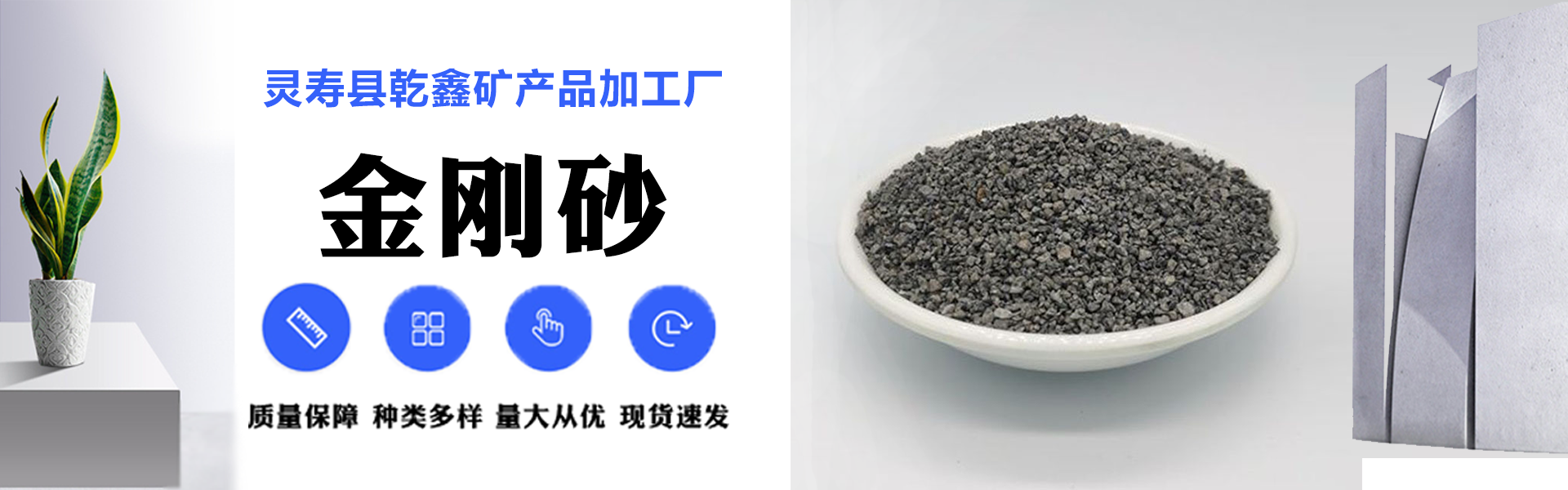

Grindstone wear-resistant materials consist of two components: aggregate and binder. The aggregate is in a sandy form, made of natural grindstone (garnet sand), accounting for approximately 60% of the total weight. The hardness of the aggregate exceeds Mohs 8 hardness, and it is applied in a dry-spraying method, spread evenly in two layers on the concrete surface. The binder is high-grade cement that has been treated, with the total weight of other cement and colors not exceeding 25% of the total weight, and the hardening agent dosage is 5kg/㎡. The construction feature is that workers directly spread the aggregate on the newly poured concrete surface, applying and smoothing it as the concrete is being poured, achieving a single-coat finish.
For concrete floors requiring high abrasion and impact resistance, as well as dust reduction, such as docks, factories, parking lots, maintenance workshops, warehouse-style malls, piers, and areas requiring uniform color to enhance work hygiene and aesthetics without corrosive agents.
Enhanced the wear and impact resistance of concrete surfaces. Increased the density of concrete to reduce dusting, and improved its oil resistance, creating a high-density, easy-to-clean, and impermeable floor. Constructed alongside concrete surfaces, the process has a shorter construction timeline. It boasts excellent durability, less dusting than non-metallic hard surfaces, a starry night-like shimmer, better impact resistance, and has anti-static properties.
