
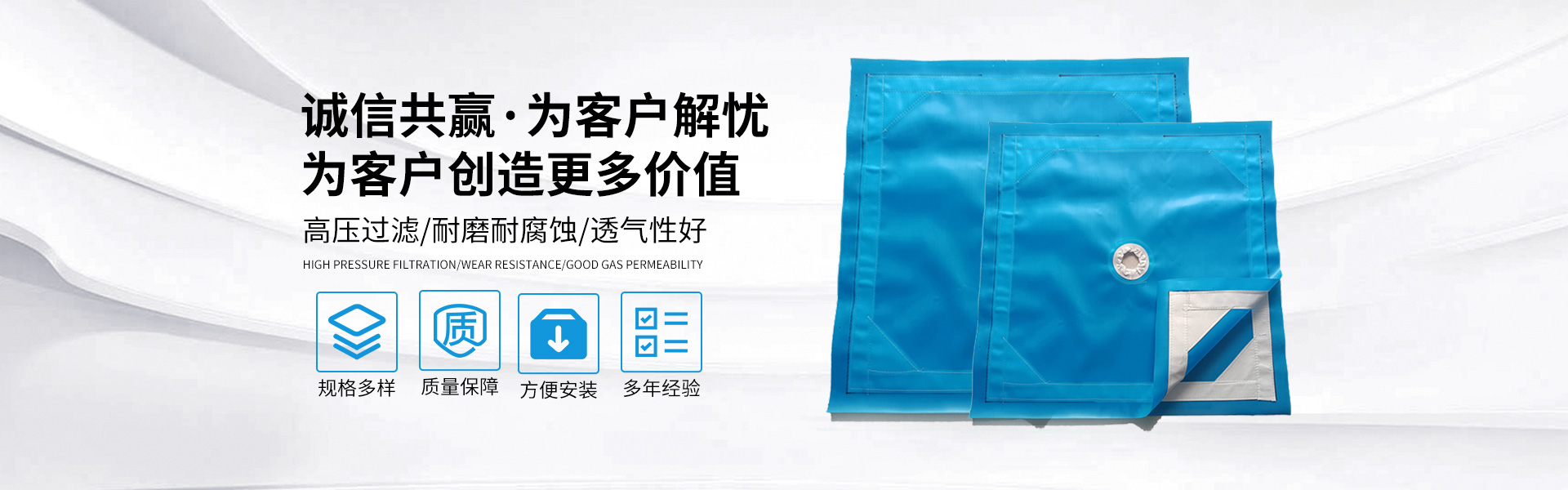

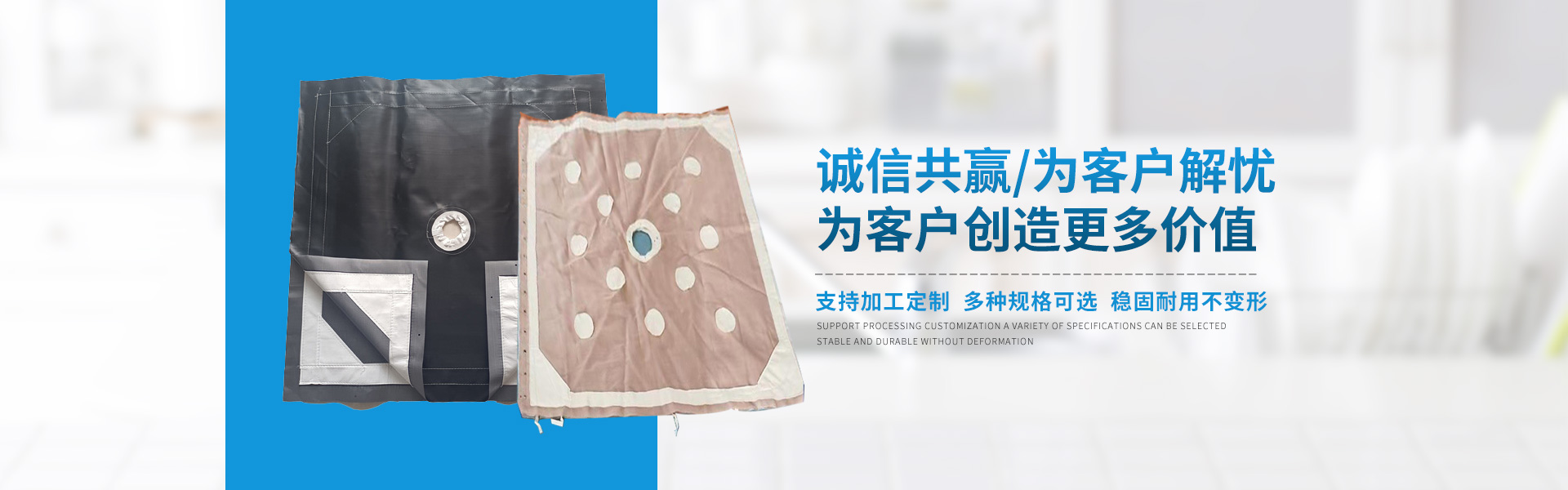


A pressure filter is a common industrial filtration equipment widely used in industries such as chemicals and petroleum. It separates solid particles from materials by applying pressure, with the filter cloth serving as the filtering element.
The Role of Filter Fabrics
Filter cloth is a crucial component in pressure filters, effectively blocking solid particles while allowing liquids to pass through. The main functions of filter cloth include:
Filtering Function: The fineness of the filter fabric can control the size of particles allowed through, achieving the filtering effect.
Support Function: The filter cloth provides sufficient support during the filtration process, preventing rupture and deformation.
Adhesion Effect: The surface of the filter cloth generates static electricity, which attracts certain particles, thereby enhancing the filtration efficiency.
Reason for Filter Fabric Replacement
Despite the strong durability of filter fabrics, prolonged use can lead to damage or a decline in performance, necessitating timely replacement. The following are the main reasons for replacing filter fabrics:
Wear: The filter cloth surface can wear due to friction from liquids and solid particles, leading to holes or tears.
Clogging: Extended use can lead to the accumulation of a large amount of solid particles on the filter cloth, blocking the pores, and reducing the filtration efficiency.
失效: Filter fabrics may lose some elasticity during use, resulting in deformation or fatigue, which can affect normal filtration performance.
Frequency of Filter Fabric Replacement
The frequency of filter cloth replacement depends on various factors, such as the nature of the material, filtering conditions, and the operator's experience. Generally speaking, the following guidelines can be referred to:

Please note that the above is just a general reference; the specific frequency of replacement should be adjusted and judged based on actual circumstances.
