

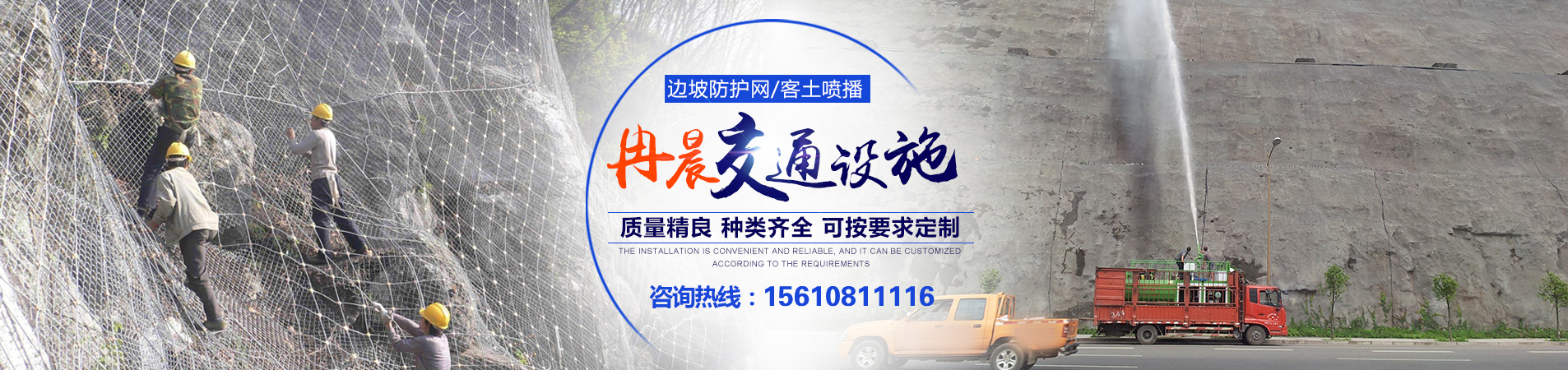

For rock slopes that are easily protected by shotcrete (jetted concrete), when the rock layers are severely weathered and fractured, and the fractured rock layers are thick, continued weathering can lead to falling rocks or small collapses, thereby affecting the overall stability of the slope. It has high strength and good crack resistance, which can reinforce the fractured rock layers within a certain depth of the slope surface, and can withstand the lateral pressure generated by a small amount of fractured material.
What factors affect the stability of subgrade slopes?
1. Influence of External Forces on the Slope
For example, natural factors such as explosions, earthquakes, and water pressure, as well as man-made factors, can lead to slope failure.
2. The influence of the slope foundation structure on the stability of the slope
The stability of the bottom layer directly impacts the overall stability of the mountain.
3. The degradation of rock mass mechanical properties and its impact on slope stability
For instance, the impact of weathering on the stability of slopes is primarily due to the reduction in slope strength caused by weathering, which leads to decreased slope stability. This exacerbates the deformation and damage of the slope. Moreover, as weathering deepens, the stability of the slope worsens, resulting in a smaller stable slope angle.
4. The influence of the slope's shape on its stability
For instance, the erosion and washing by rivers, reservoirs, and seas can alter the shape of the banks, leading to the destruction of these slopes. This is primarily due to the erosion exposing the weak structural planes at the base of the slope, causing it to become overhanging, or the erosion cutting through to the underlying soft layer, resulting in the slope losing its balance and thereby causing damage.
Above are the relevant matters regarding the slope protection net, hoping they will be helpful to you.