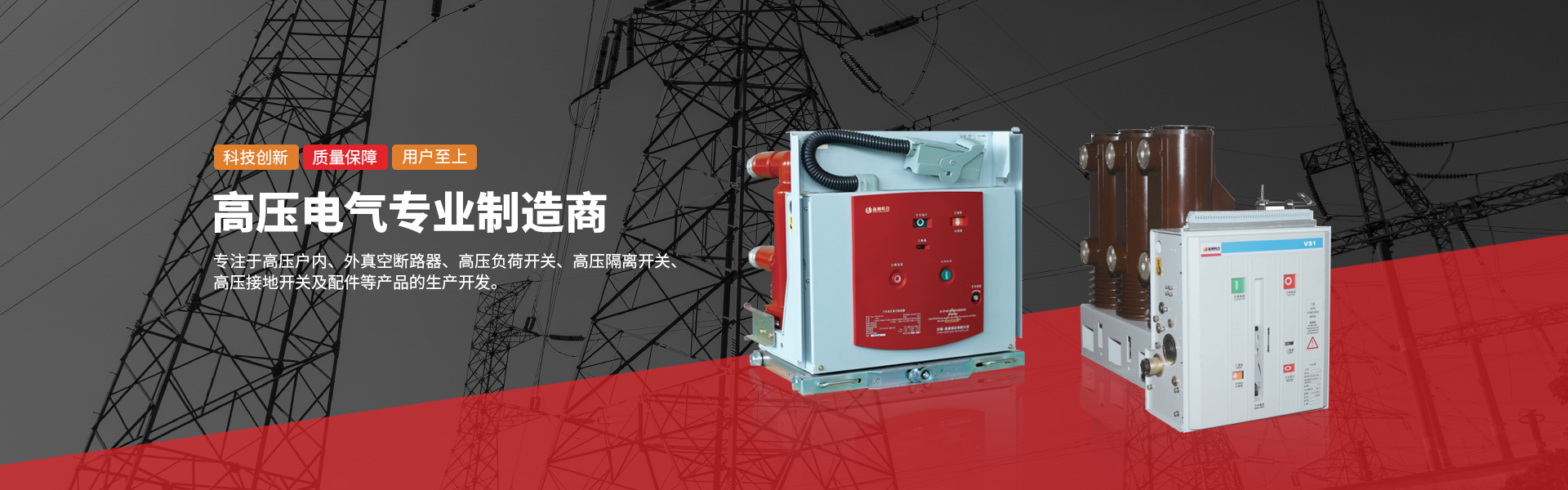
A high-voltage load switch is a specialized electrical equipment designed for connecting and disconnecting load currents. When equipped with an overload release, it can automatically trip in overload conditions. However, it only has a simple fire extinguishing device, so it cannot interrupt short-circuit currents. In most cases, the load switch is connected in series with a high-voltage fuse to interrupt short-circuit currents through the fuse. They are available in indoor and outdoor models. For instance, the indoor compressed-air high-voltage load switch resembles an isolator switch in appearance and is equipped with arc extinction devices.
What's the Difference Between High-Voltage Load Break Switches and Isolation Switches?
An isolation switch is a switch device without an arc-extinguishing mechanism, primarily used to disconnect circuits carrying no load current, isolate power sources, and provide a clear break point during the open position to ensure the safety of maintenance for other electrical equipment. In the closed position, it can reliably pass normal load current and short-circuit fault current. Due to the lack of a dedicated arc-extinguishing mechanism, it cannot interrupt load current or short-circuit current. Therefore, isolation switches can only be operated when the circuit has been disconnected by a circuit breaker, and it is strictly prohibited to operate with a load to avoid serious equipment and personal accidents. Only voltage transformers, lightning arresters, unloaded transformers with no-load excitation current not exceeding 2A, and unloaded lines with current not exceeding 5A can be directly operated using an isolation switch.
Load switches are a type of switchgear that falls between circuit breakers and disconnect switches. They feature simple arc extinction devices and can interrupt rated load currents and certain overload currents, but cannot interrupt short-circuit currents.
How to Choose the Right High-Voltage Load Switch Size?
The selection of high-voltage load switches is essentially the same as that of circuit breakers, and must meet five conditions: rated voltage, rated current, breaking current, maximum current, and thermal stability.