

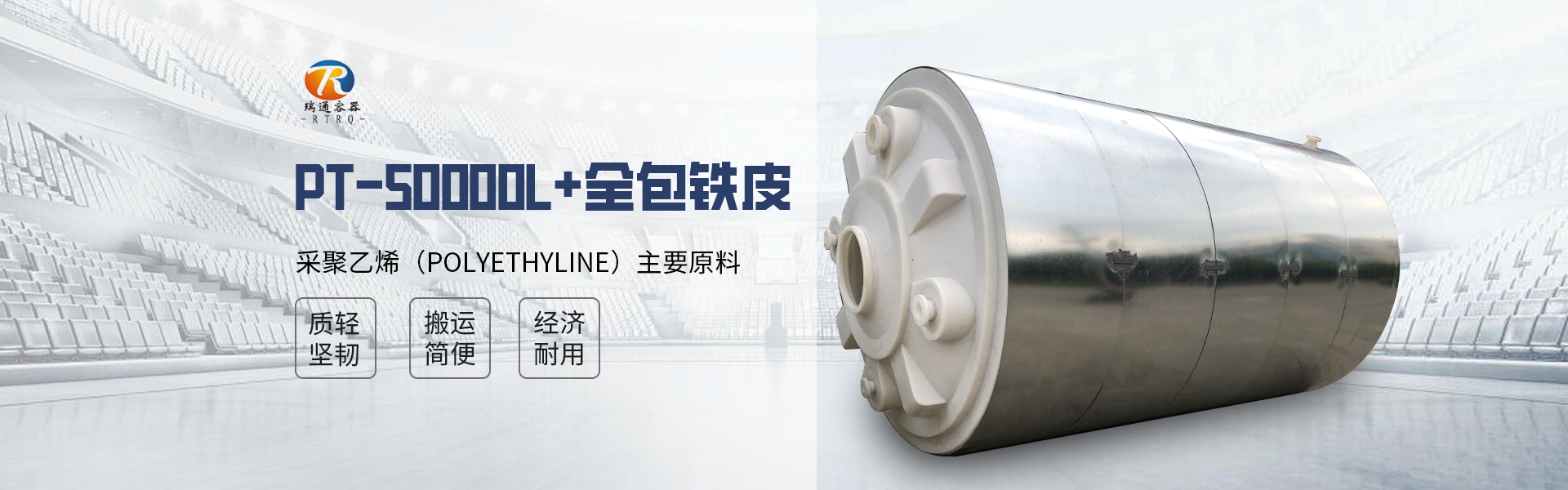


The interior anti-corrosion of storage tanks is generally divided into three sections:
1. Emptying the tank of air
Volatile organic compound (VOC) emissions inside the tank are extremely crucial, and often, a combination of recirculating air and tank water is used for cleaning. While recirculating air cleaning is time-consuming and less efficient, it is relatively practical. Tank water cleaning is suitable only for small tanks; it is not applicable for large tanks. It is essential to ensure that the emissions meet technical requirements during the exhaust process, as this concerns both construction safety and effectiveness.
2. Tank interior cleaning
The interior wall cleaning of tanks is typically done by sandblasting, with polishing machines also used in some cases (due to the need for oil removal and paint stripping prior to polishing, it is generally not recommended). The water jet sandblasting machine combines the technologies of water jetting and sandblasting, offering the environmental and explosion-proof characteristics of water jetting along with the superior rust removal and paint stripping effects of sandblasting, making it particularly suitable for flammable and explosive environments, especially when conducting anti-corrosion operations on oil storage tanks during normal operation.
3. Inner tank wall painting
When applying paint to the interior walls of a drum, it is crucial to not only prioritize safety and the drying cycle of the paint but also pay close attention to the intervals between the workers' application. Ensuring that workers can breathe fresh air outside the drum in a timely manner is also essential.
News Center Co., Ltd.
