

Product Details
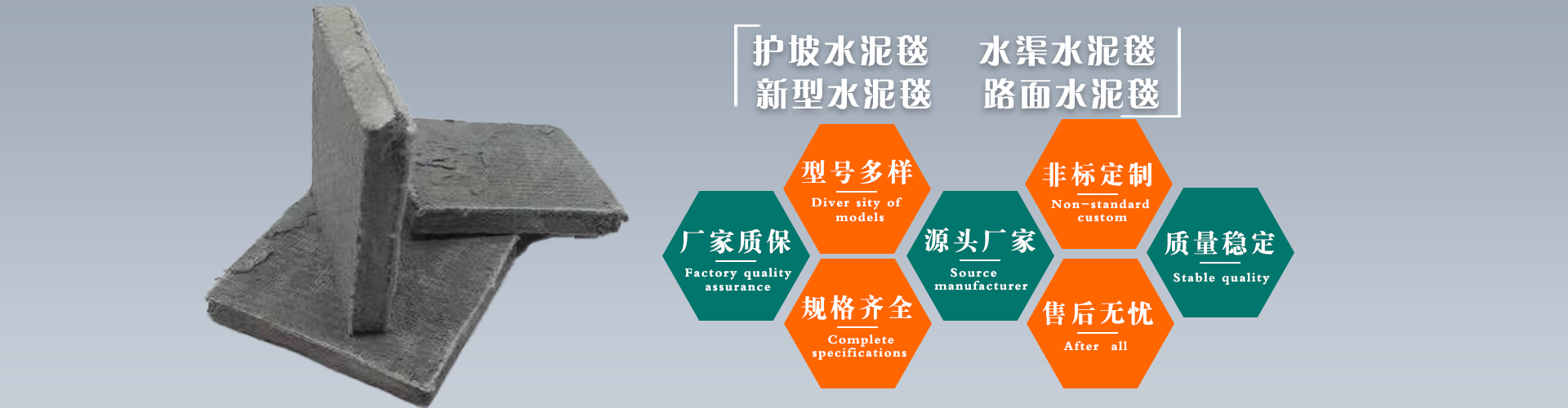
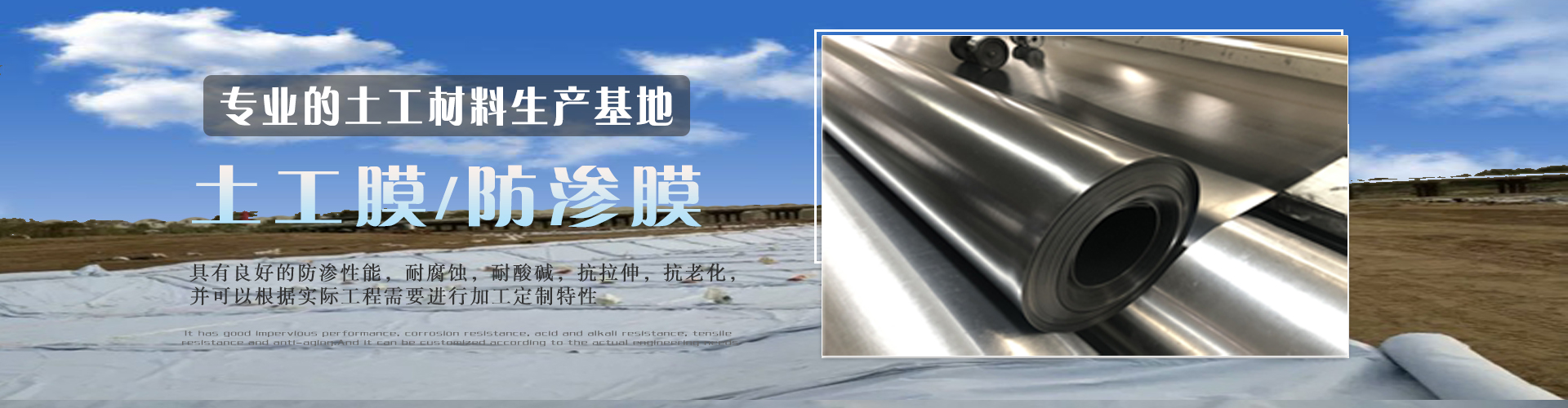
Cement Mat, Geotextile, HDPE Membrane, Composite Geomembrane, Drainage Mesh, Short Fiber Geotextile, Bentonite Waterproof Mat, Eco Bags, etc.



价 格Negotiable
最小起订0 Piece库存0 Piece
 Business Card
Negotiable

¥3.00

Negotiable

Negotiable
Short fiber geotextile
Negotiable
 Composite Geomembrane
Negotiable
Composite Geomembrane
Negotiable
 Drainage board
Negotiable
Drainage board
Negotiable
 Two-bondage and one-membrane comp
Negotiable
Two-bondage and one-membrane comp
Negotiable
 Needle-punched nonwoven geotextil
Negotiable
Needle-punched nonwoven geotextil
Negotiable
 Cement Mat
Negotiable
Cement Mat
Negotiable
 Bentonite Waterproof Mat
Negotiable
Bentonite Waterproof Mat
Negotiable
 High-strength specialty adhesive
Negotiable
High-strength specialty adhesive
Negotiable
 Aquaculture Leak-Proof Membrane
Negotiable
Aquaculture Leak-Proof Membrane
Negotiable
 Bentonite Waterproof Mat
¥3.00/Piece
Bentonite Waterproof Mat
¥3.00/Piece
Phone:18053450611
Polypropylene geotextiles mainly include woven geotextiles, non-woven geotextiles, and Asia-Pacific composite geotextiles. The woven geotextiles are further divided into machine-woven and knitted geotextiles.
Features of Polypropylene Geotextile:
1-Polypropylene woven geotextiles are produced on wide-width shuttle looms or rapier, air-jet, and other non-shuttle looms.
Polypropylene woven geotextiles are particularly suitable for enhancing and reinforcing, thus they are generally used for separation, reinforcement, and erosion control applications.
Nonwoven Polypropylene Geotextile
Nonwoven geotextiles are generally produced on continuous production lines. Polypropylene nonwoven geotextiles are mainly categorized into two production methods: spunbonding and needle-punched short fiber.
Polypropylene geotextile production method:
Spunbond method
The particles or powder of the polymer are melted and then fed into an extruder, where they are spun into continuous long fibers through one or a series of spinnerets. The long fibers are then formed into an irregular arrangement using rotating spinnerets or by controlling the air flow, adjusting the conveyor belt speed, or applying an electric current, and laid out on a conveyor belt to form a fiber web. The bonding of the fiber web occurs before the fibers solidify, either through hot pressing, adhesive bonding, or reinforcement with a needle-punching machine, creating a continuous and even geotextile. It can be used for reinforcement, separation, filtration, and drainage in various engineering applications.
2- Short Fiber针刺法
Short fibers are processed into cotton nets by carding machines or waste cotton opening mechanisms, then laid in cross-layers or directly formed into a net by air flow, creating a cotton net with randomly arranged fibers to achieve isotropy when woven into fabric. The net is then subjected to a series of needle boards, densely packed with numerous needles, to needle-pick the fiber net, causing the fibers to intertwine and compress together, forming a nonwoven fabric. This method is suitable for producing thick geotextiles, characterized by high density, fluffy structure, thickness, good water absorption and permeability, and high resistance to deformation, making it particularly suitable for filtration and drainage projects.

Phone Consultation