

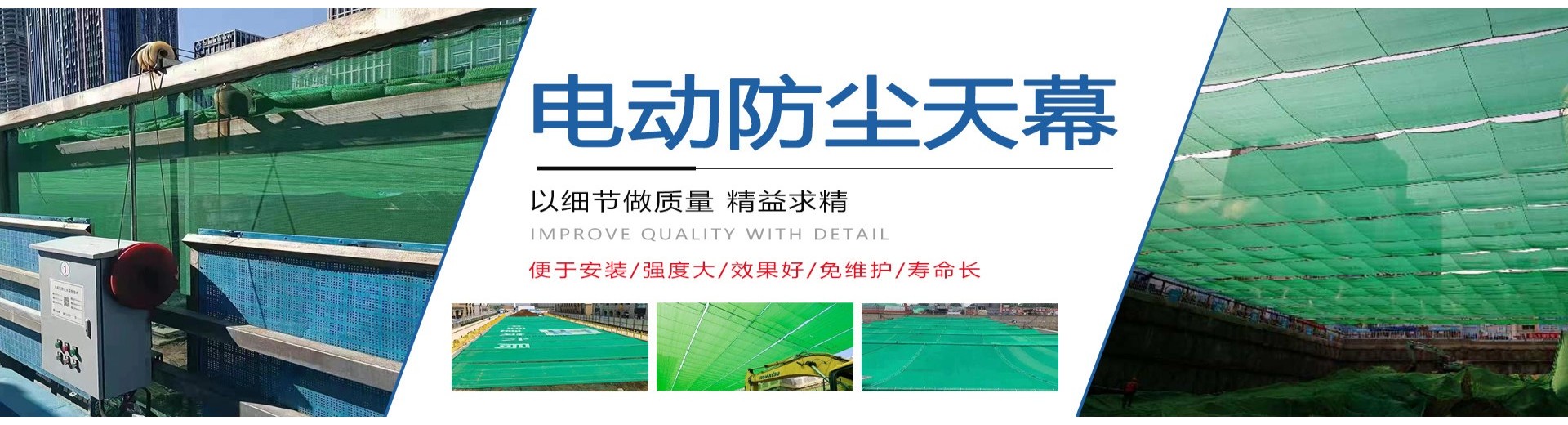
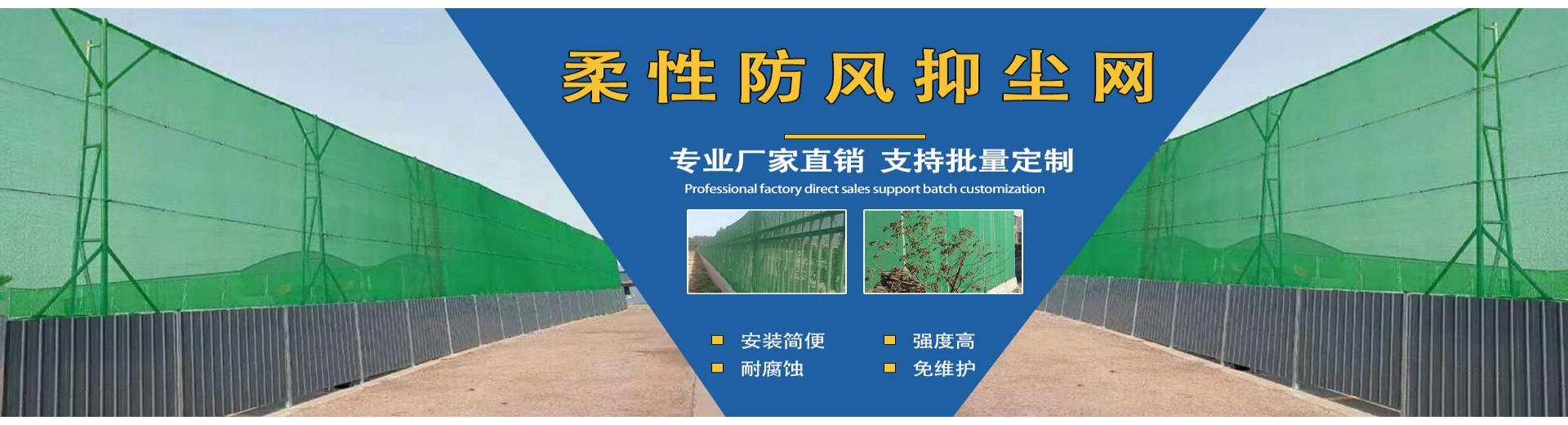


Windbreak and Dust Suppression Net Environmental Benefits: The acquisition method of windbreak and dust suppression, regardless of what is deemed appropriate, is considered a non-discharge by the environmental protection department. According to our country's relevant environmental protection laws and regulations, fines for dust emissions exceeding standards will be imposed. At the same time, dust pollution from coal yards will have a certain impact on the living, studying, working, and producing of residents in the surrounding area. The construction of windbreak and dust suppression walls can significantly reduce dust pollution, beautify the landscape of the surrounding areas, meet the requirements of the environmental protection department, and transform the originally heavily polluted material yard into a green, environmentally friendly yard with a very nice appearance, thereby achieving the goal of dust pollution control.
The economic benefits of dust suppression nets: The dust emission coefficient for open coal storage during loading and unloading processes is 3.53-6.41 Kg/t coal/year (based on the "Technical Guidelines for Inspection, Verification, and Approval of Emission Amounts of Pollutants in Some Industries"). Assuming a coal consumption of 500,000 tons per year, the emission coefficient is used in the calculation. After implementing windbreak and dust suppression walls, with an 80% dust reduction rate, 2,564 tons of coal can be saved annually. Including coal powder loss due to strong wind, the overall coal loss prevention will reach approximately 1, resulting in about 5,000 tons of coal saved annually.
With the rapid development of our national economy, the volume of bulk goods such as coal, mineral powder, and sand灰 is continually increasing, and the resulting dust is increasingly drawing attention. As the state further strengthens energy-saving and environmental protection laws and regulations, dust pollution from coal yards and energy consumption issues have become a management concern across regions. However, implementing a full blockade at coal factories not only requires significant investment but also faces restrictions due to the span of shade houses, the operation of cranes, and the requirements for ventilation, insulation, dust control, lighting, and limited space, making it difficult to promote and implement. Meanwhile, overseas, there is a widely recognized windbreak and dust suppression wall technology that is increasingly popular among companies due to its low investment and effective dust suppression.
